Connecting place-based innovation ecosystems and interregional networks to deliver more effective responses to climate change in the Mediterranean
The city of Olhão (Portugal) was the perfect scenario for the third edition of Innovation Camp last October, which highlighted the importance of strengthening Mediterranean capacity for systemic green and just transitions.
The third edition of the Innovation Camp, organised by the Innovative Sustainable Economy Mission in cooperation with the Joint Research Centre of the European Commission, with the support of the Technopolis Group Portugal, took place in Olhão on 23–24 October 2025. The two days event featured a full agenda of keynotes, roundtables and facilitated working sessions as well as social and networking practical activities.
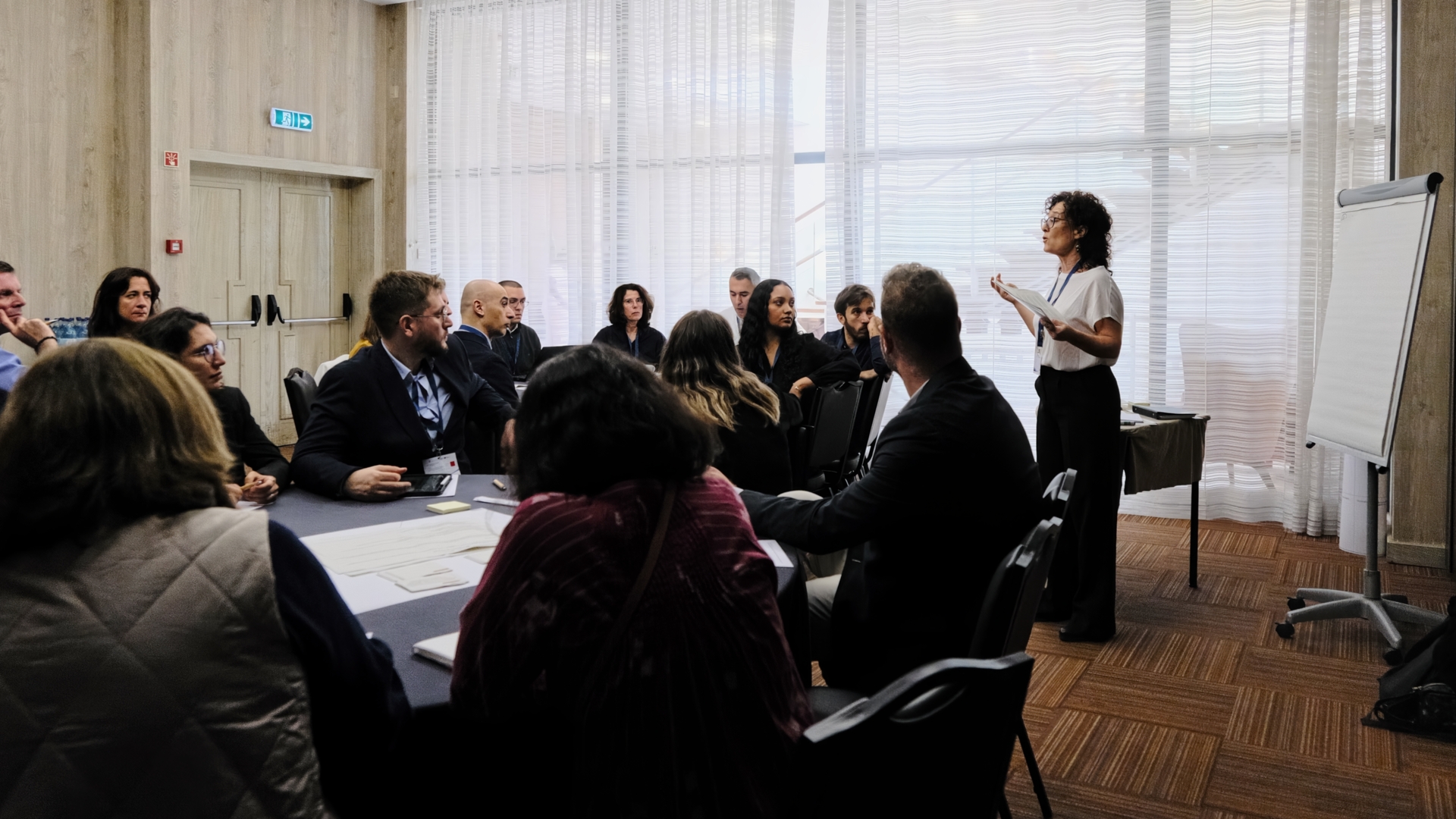
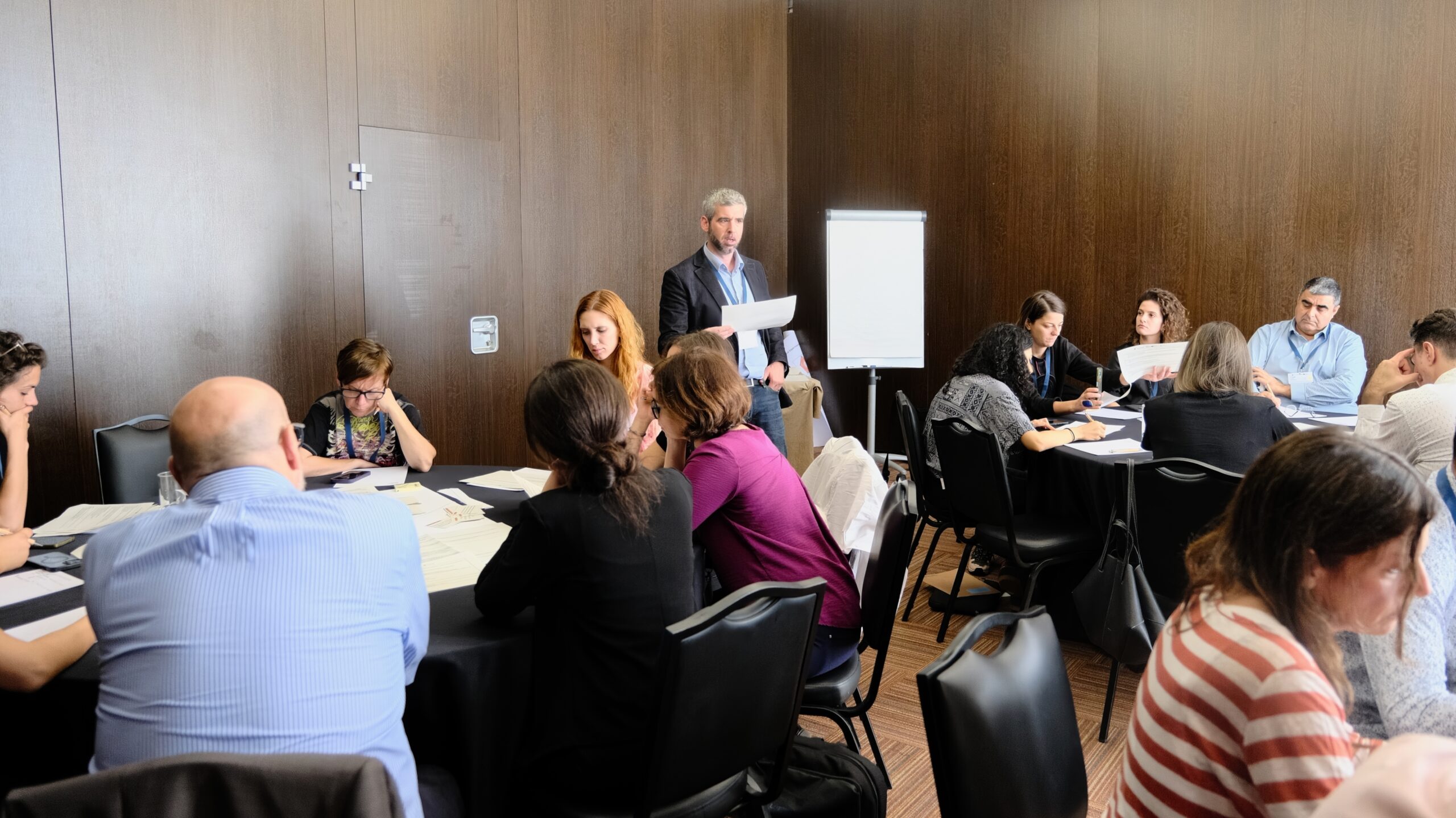
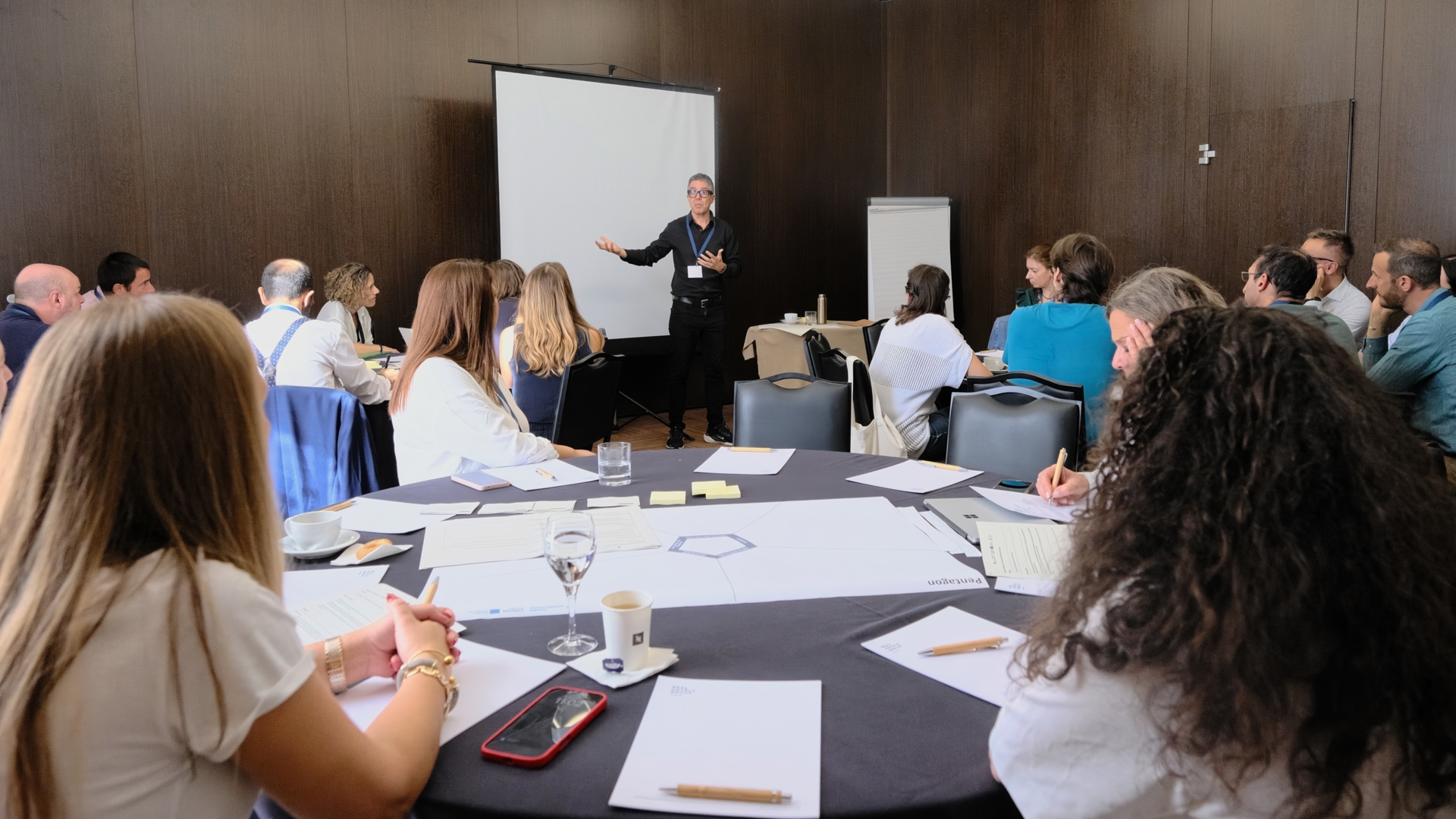
The Camp was guided by three main interconnected challenges that affect the Mediterranean regions in one way or another: deterioration of soil health and decline in biodiversity; increasing water scarcity; and limited circularity in agri-food value chains. Participants engaged in these challenges during parallel sessions to discuss and explore the main systemic obstacles and leverage points affecting these challenges, and what kind of experimentation spaces we need to articulate in order to collectively address them, both locally and in the interregional level.
The shared journey of the Camp followed the principles of co-creation, reflection, and practical design exercises to move from diagnosis to action, allowing all participants to collectively explore systemic challenges, imagine desired futures, and design experiments that can be tested in real contexts.
One of the many learnings of the event is that local innovation ecosystems and interregional collaboration networks need to be aligned in order to test new technological solutions, adopt governance models to address common regulatory barriers, as well as amplify learning across regions and foster institutional capacities for effective collaboration.
Experimentation spaces: opportunities to test innovations in Mediterranean territories
There are emerging and complementary frameworks for place-based transformation, such as the Portfolio Approach, Living Labs, Regulatory Sandboxes, and the Transformative Innovation Policy Labs (TIPLabs) that the ISE Mission is putting forward.
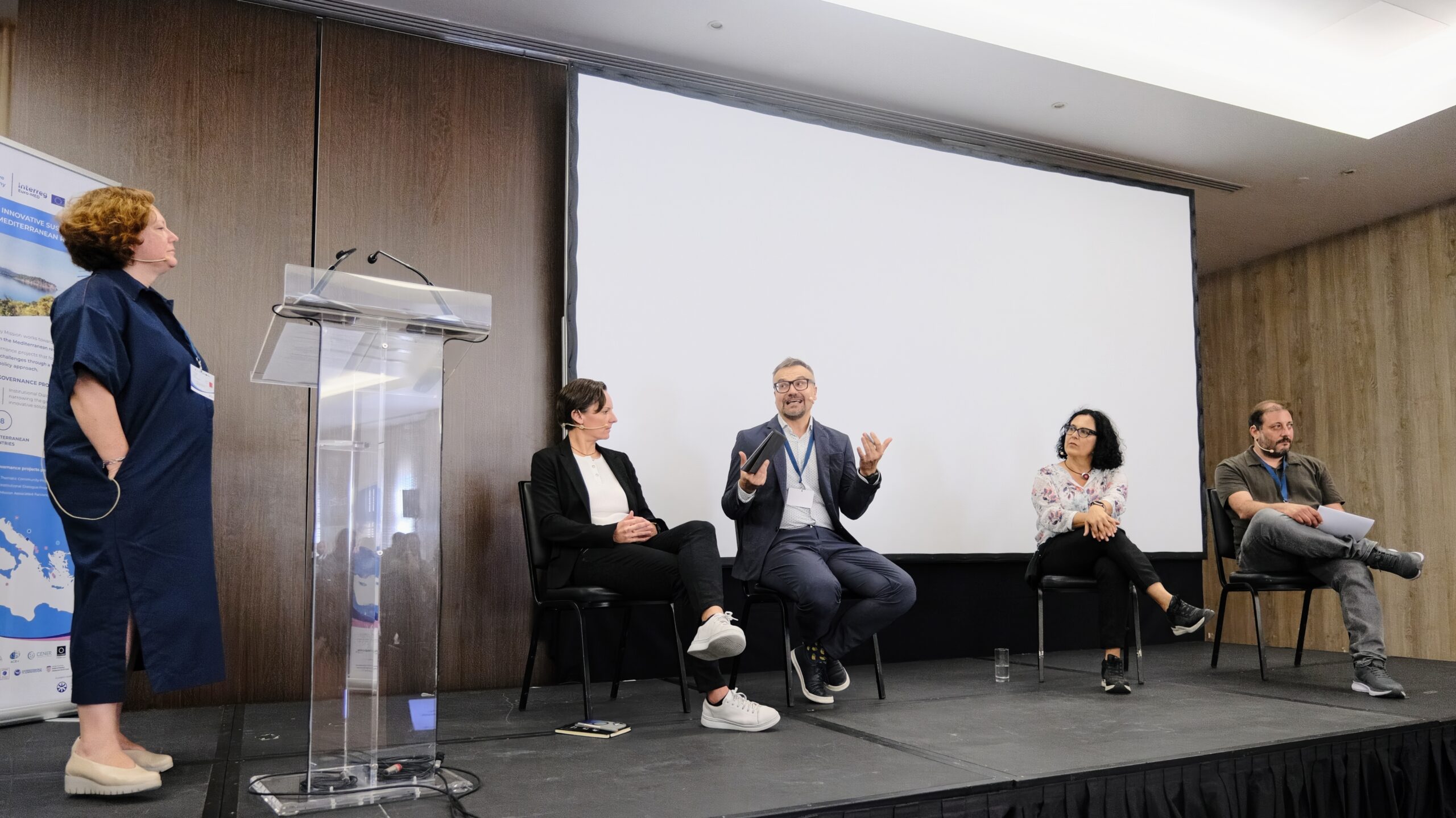
In the framework of the event various forms of experimentation spaces were presented with the the contributions of Michal Miedzinski (Joint Research Centre), Tatiana Fernández Sirera (Dialogue4Innovation)nia), Milica Begovic (United Nations Development Programme) and Ayman Moghnieh (Living Labs network), moderated by Cynthia Echave (Dialogue4Innovation). Several key messages emerged, emphasizing the importance of involving the affected communities by the place-based challenges, and creating the conditions for collaboration around a shared vision of the future. The importance of scaling up emergent practices, mobilising appropriate funding in a portafolio and orchestrated approach, and enhancing the value of cross-border learning was also emphasised.
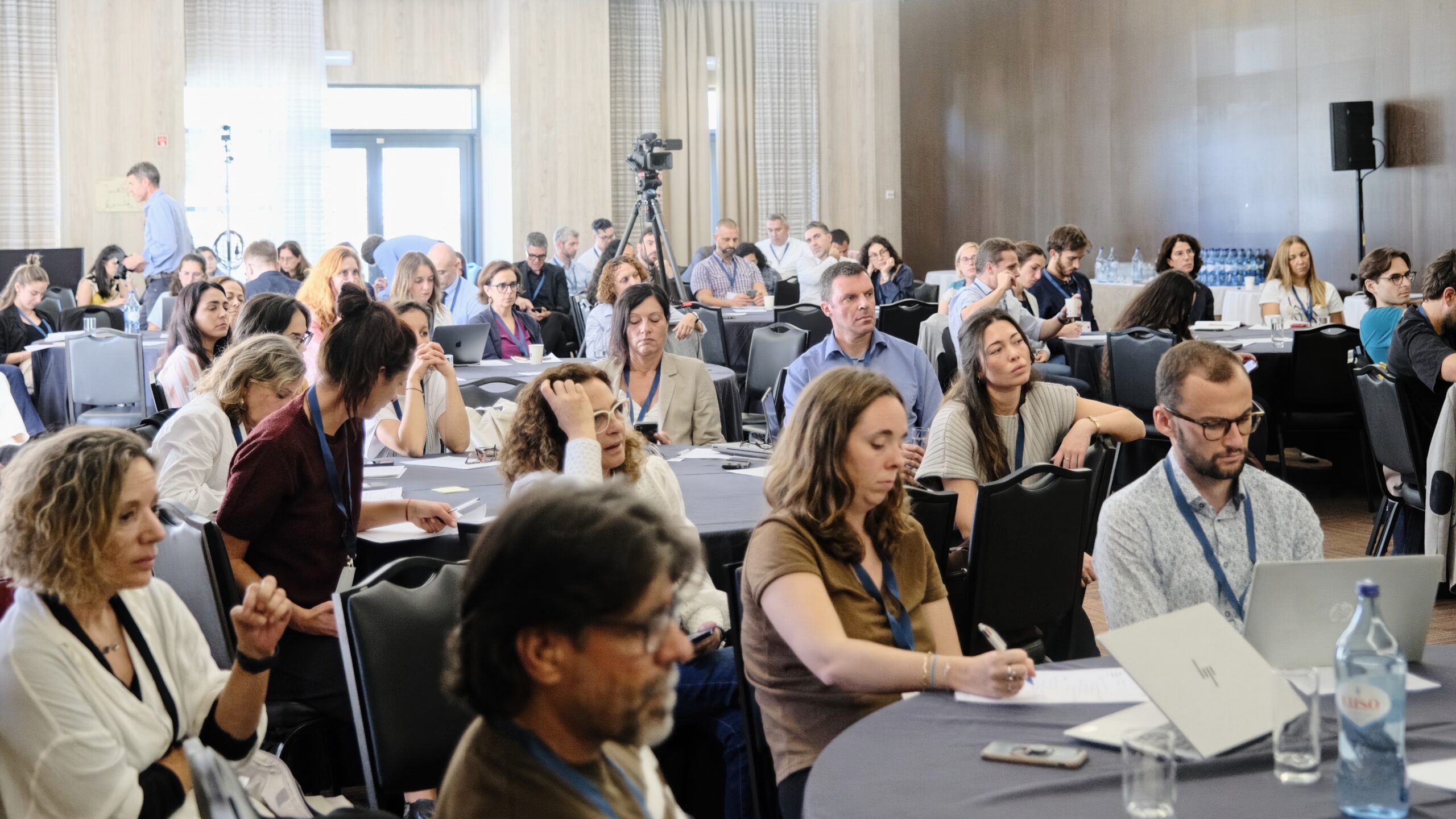
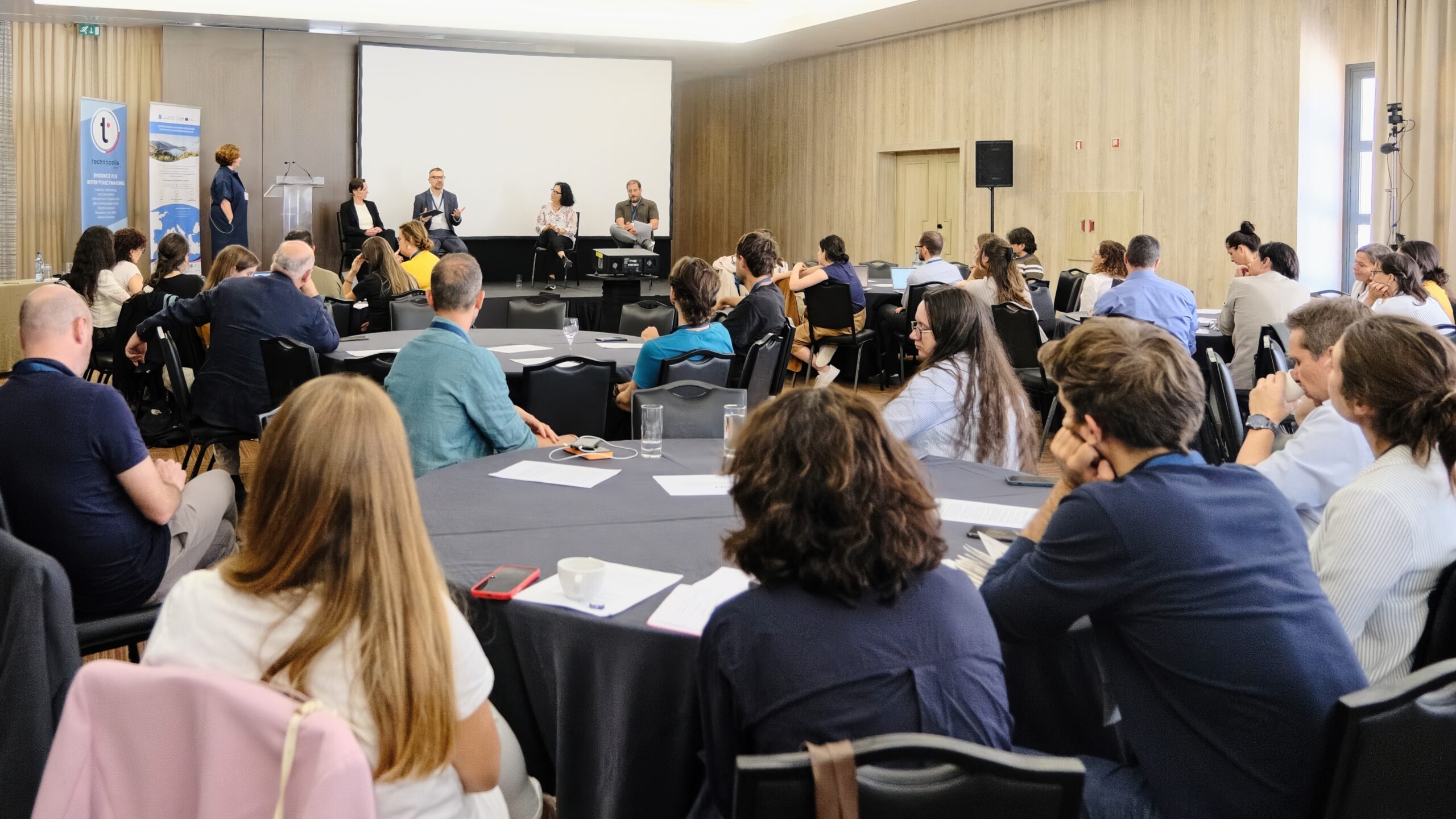
From local experimentation to scalable impact
During the event, Michal Miedzinski and Carla Alvial Palavicino (Climate-KIC) invited participants to an in-depth look at the concept of a regulatory experimentation (also known as sandbox), focusing particularly on the model tested as part of the EU Preparatory Action (PA) ‘Innovation for Place-Based Transformation’ (2024–2026).
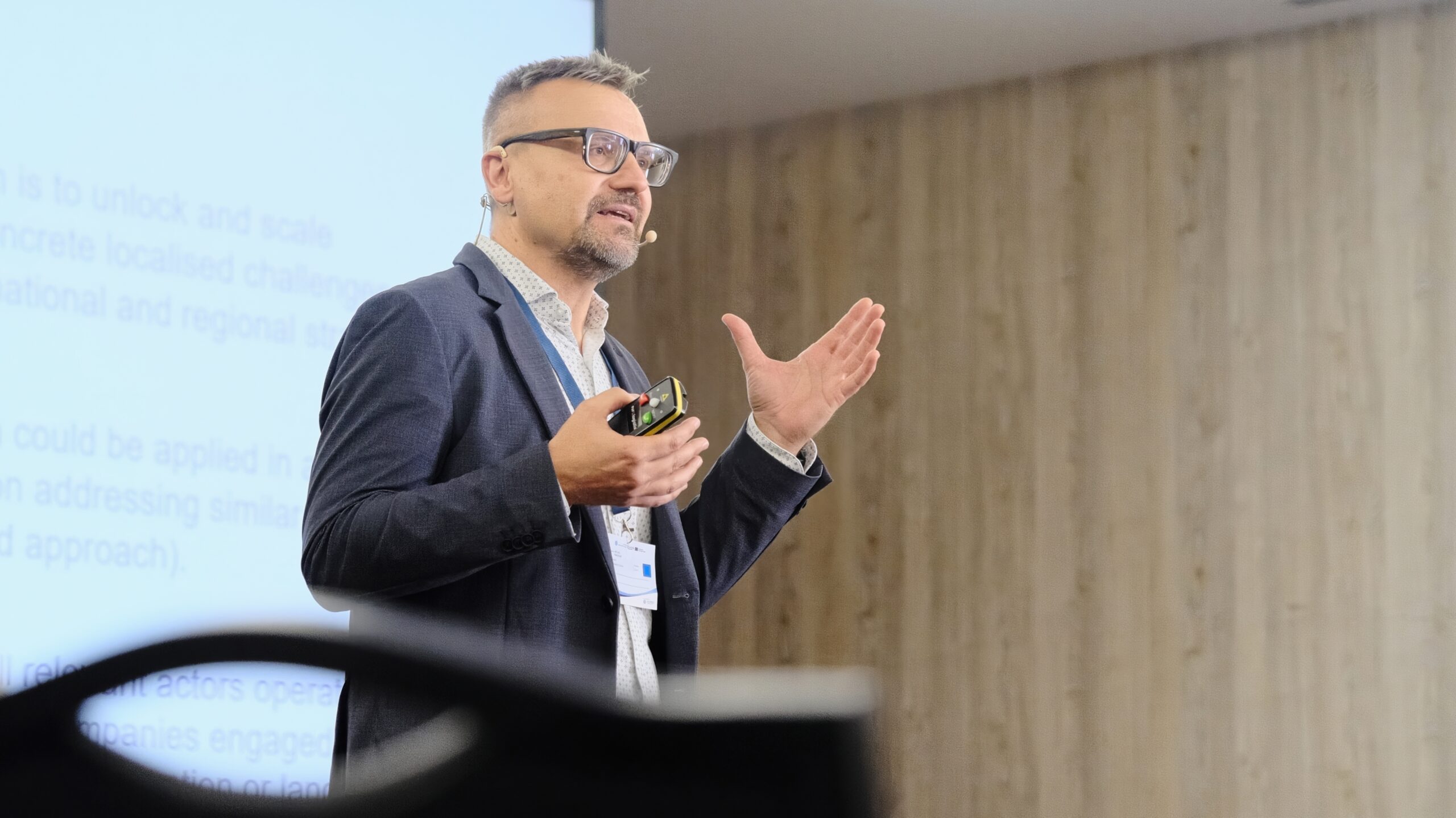

The PA aims to support place-based transformation by helping cities, communities and regions experiment with innovative solutions to complex challenges such as sustainability, urban and rural regeneration, water management and climate resilience. To this end, the project explores regulatory sandboxes as challenge-oriented learning spaces based on real, local problems. These “guided laboratories” are safe, temporary spaces where public bodies, researchers and innovators can test new ideas without being immediately bound by existing regulations. The rules are flexible but supervised, allowing for responsible experimentation and real-world learning.
Showroom of innovation projects of the Mediterranean
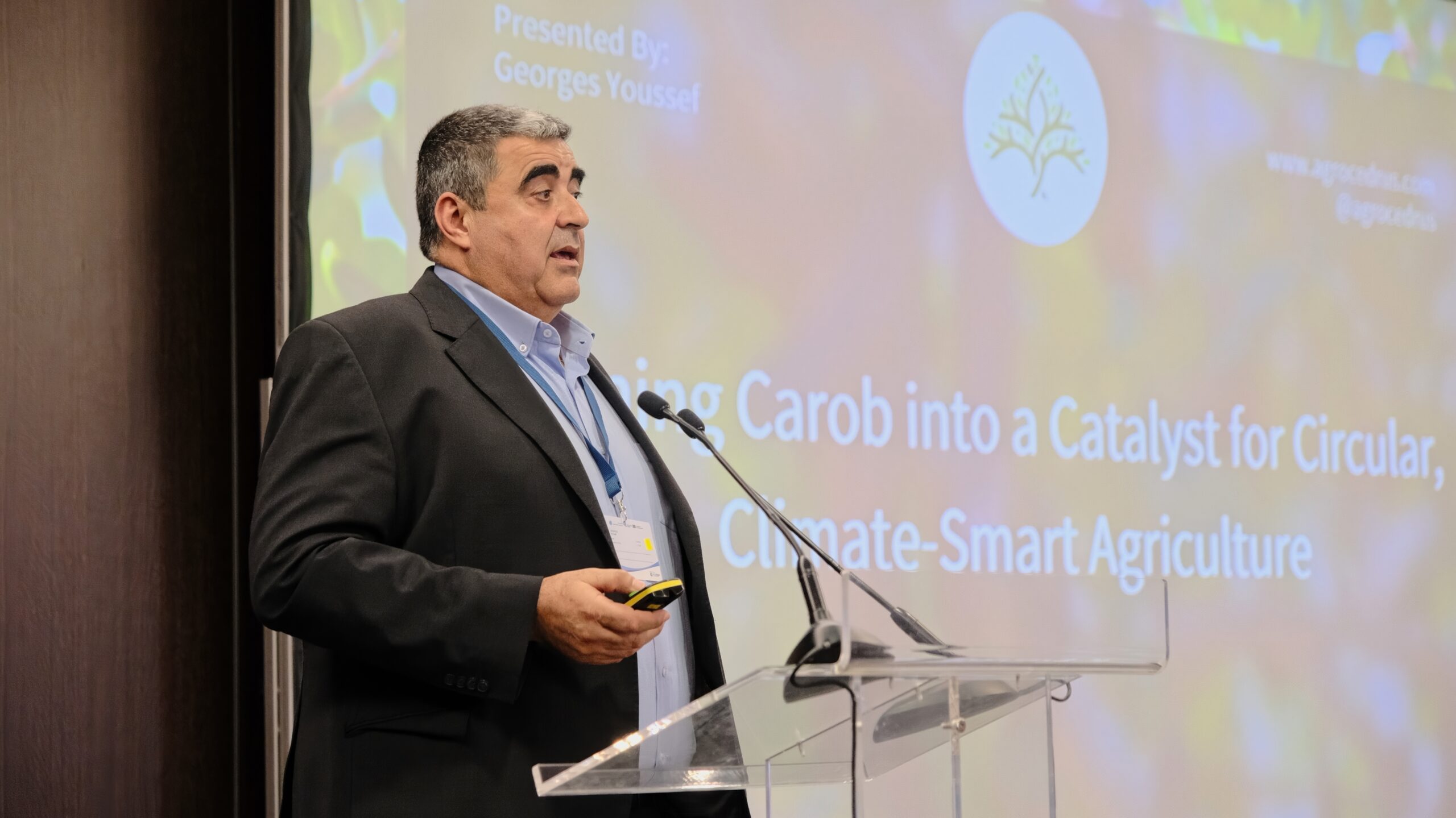
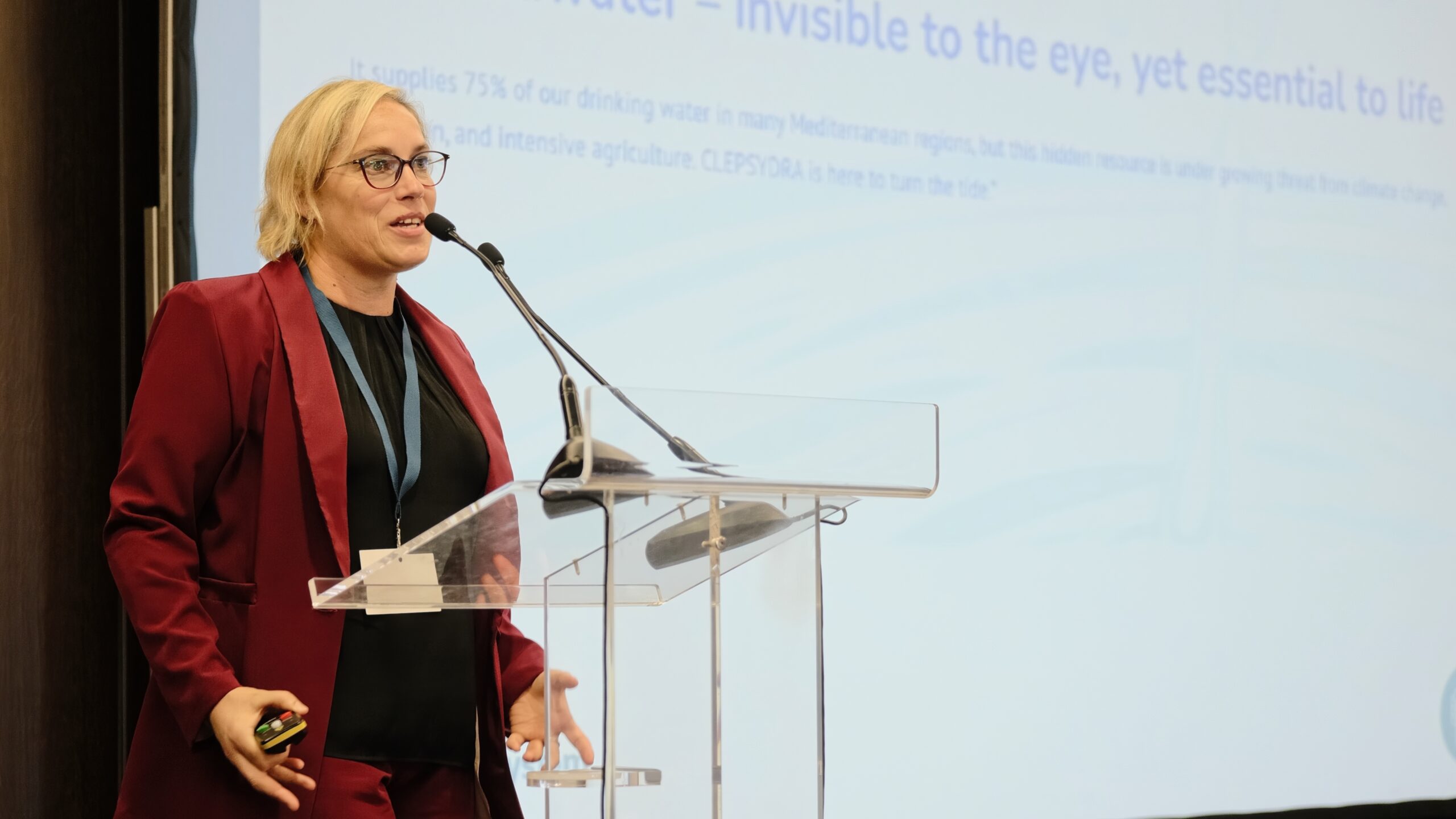
The event also hosted a session dedicated to finding innovative solutions to the challenges discussed. This significant event saw innovators share their concrete solutions, making them accessible to all participants and further emphasising the importance of territorial cooperation. The session aimed to present practical innovations that address the camp’s three systemic challenges: periurban agriculture, water governance, and circular bioeconomy. It served as a platform for knowledge exchange and collaboration, linking project-level actions with broader policy objectives.
These included ShareMedWater, which focuses on tackling water scarcity through the reuse of unconventional water sources and participatory governance models, and Carbon Farming Med, which promotes regenerative agriculture and agroforestry as strategies for carbon capture and rural resilience. GreensmartMED presented two cases: one from Greece, emphasizing SME sustainability, and another from Catalonia, applying TIPLab methodology to circular textile value chains. Other notable contributions came from REVIVE, which develops community-based business models to revitalize rural Mediterranean areas; Agro Cedrus, which implements climate-smart agroforestry and zero-waste models; Idron, which introduces integrated water solutions combining smart irrigation and reuse technologies; Clepsydra, which focuses on groundwater monitoring; Sea the Change, which connects corporate ESG goals with ocean conservation; Germ of Life, which deploys drought prediction tools and nature-based solutions; and the ITI Water and Ecosystem landscapes in Algarve, which presented regional strategies for water and landscape ecosystem management.
The second part of the session shifted attention to broader programs and networks across the Mediteranean. PRIMED illustrated approaches to circular bioeconomy through multi-actor co-creation and living labs, while CONCAT-Ecoready highlighted collaborative monitoring and climate adaptation strategies in Catalonia. PRIMA showcased its role in connecting research and innovation across Mediterranean countries to secure food and water systems. Preparatory Action Regions, including Azores, Catalonia, and Ankara, presented regulatory sandbox concepts and regional innovation strategies, reinforcing the systemic approach promoted by the Camp.


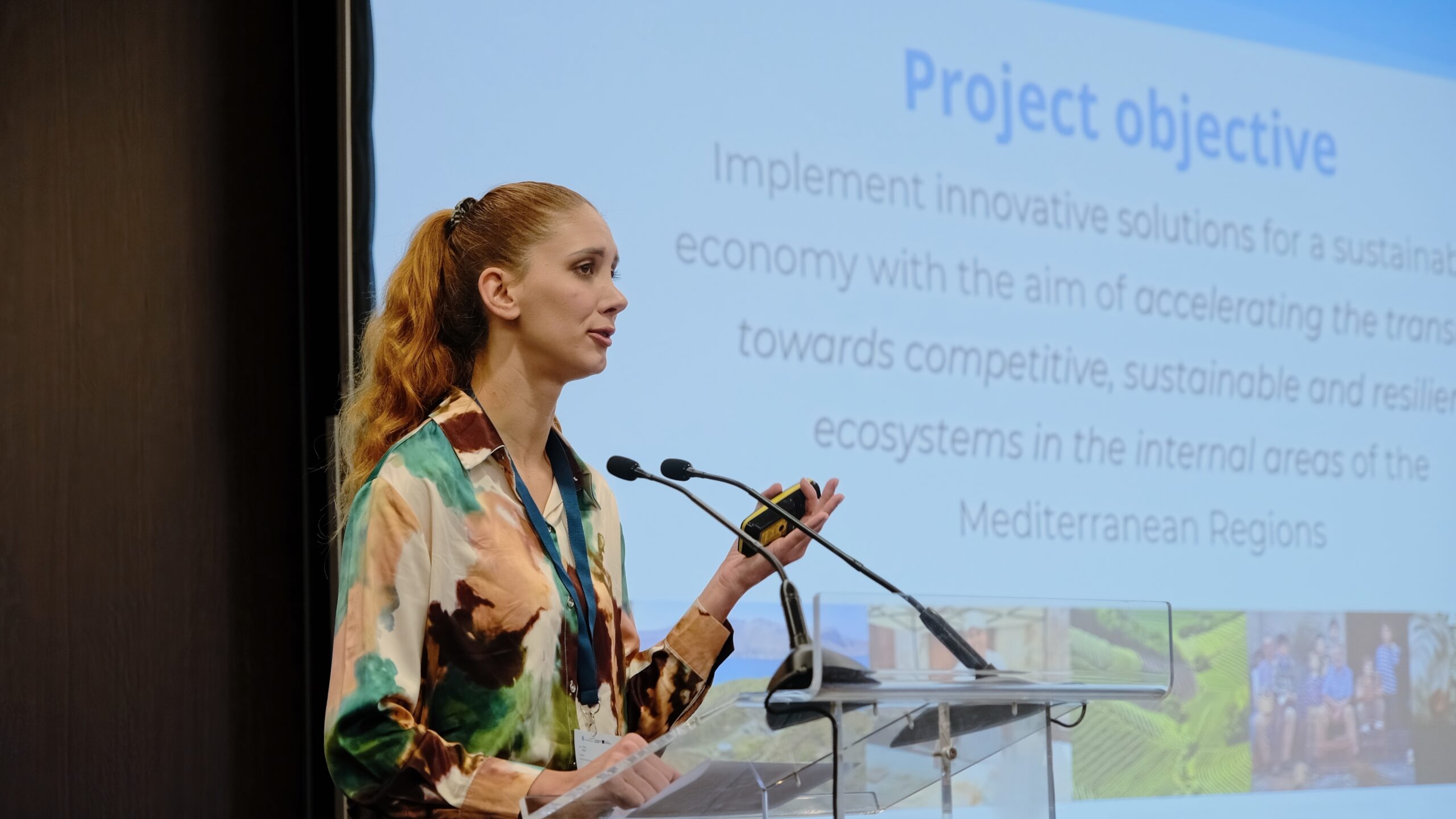
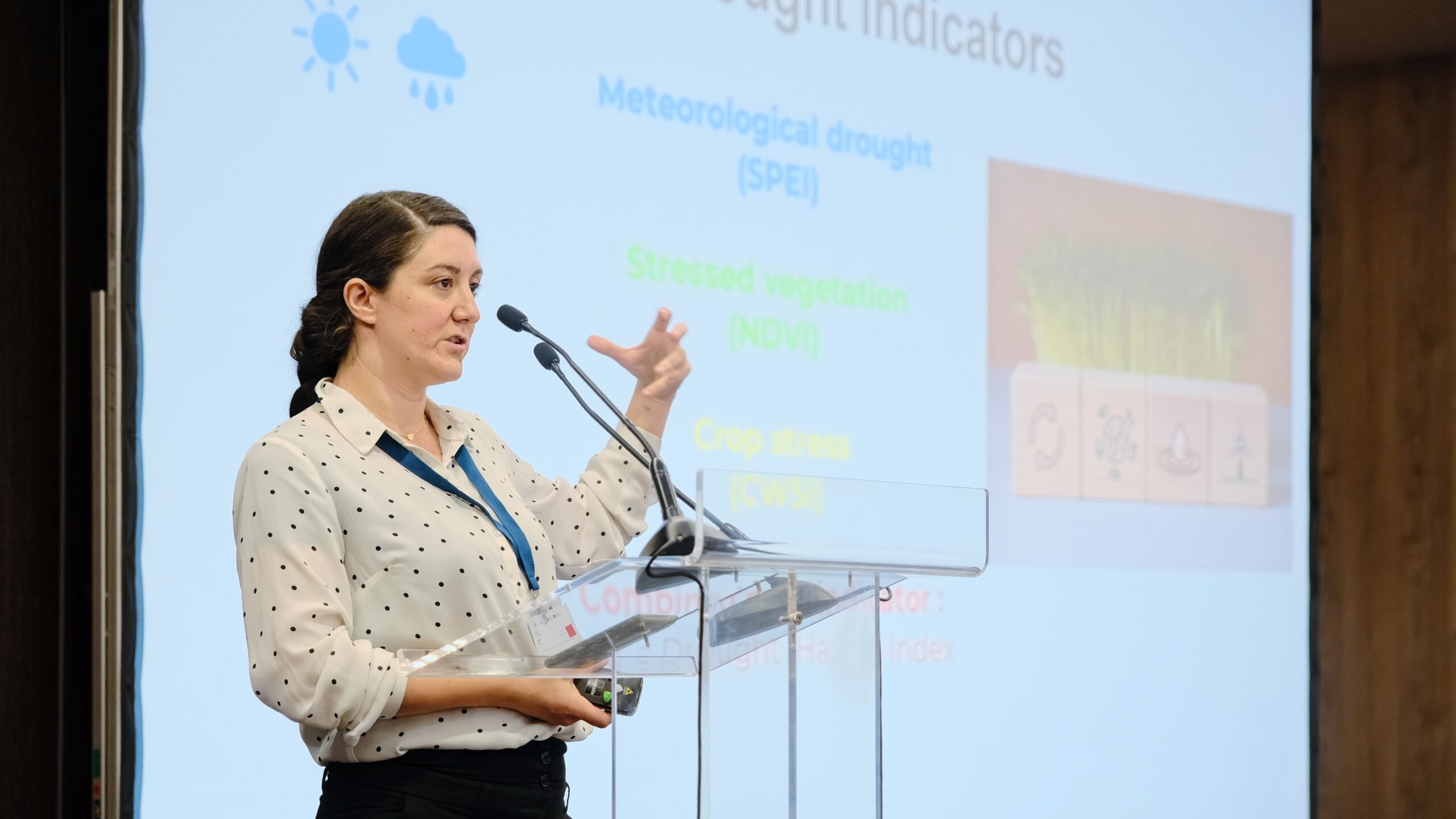
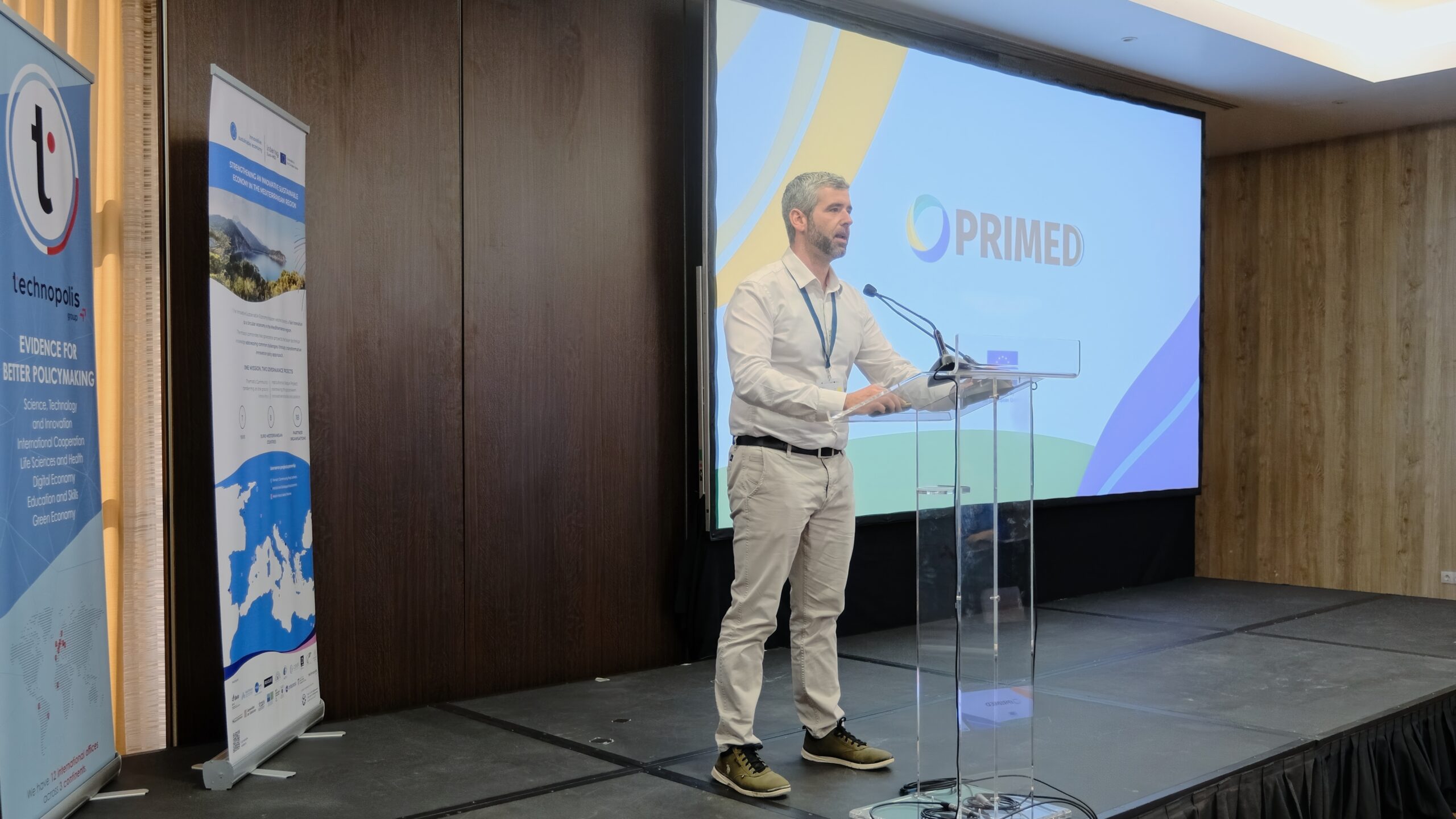

Showcase 12
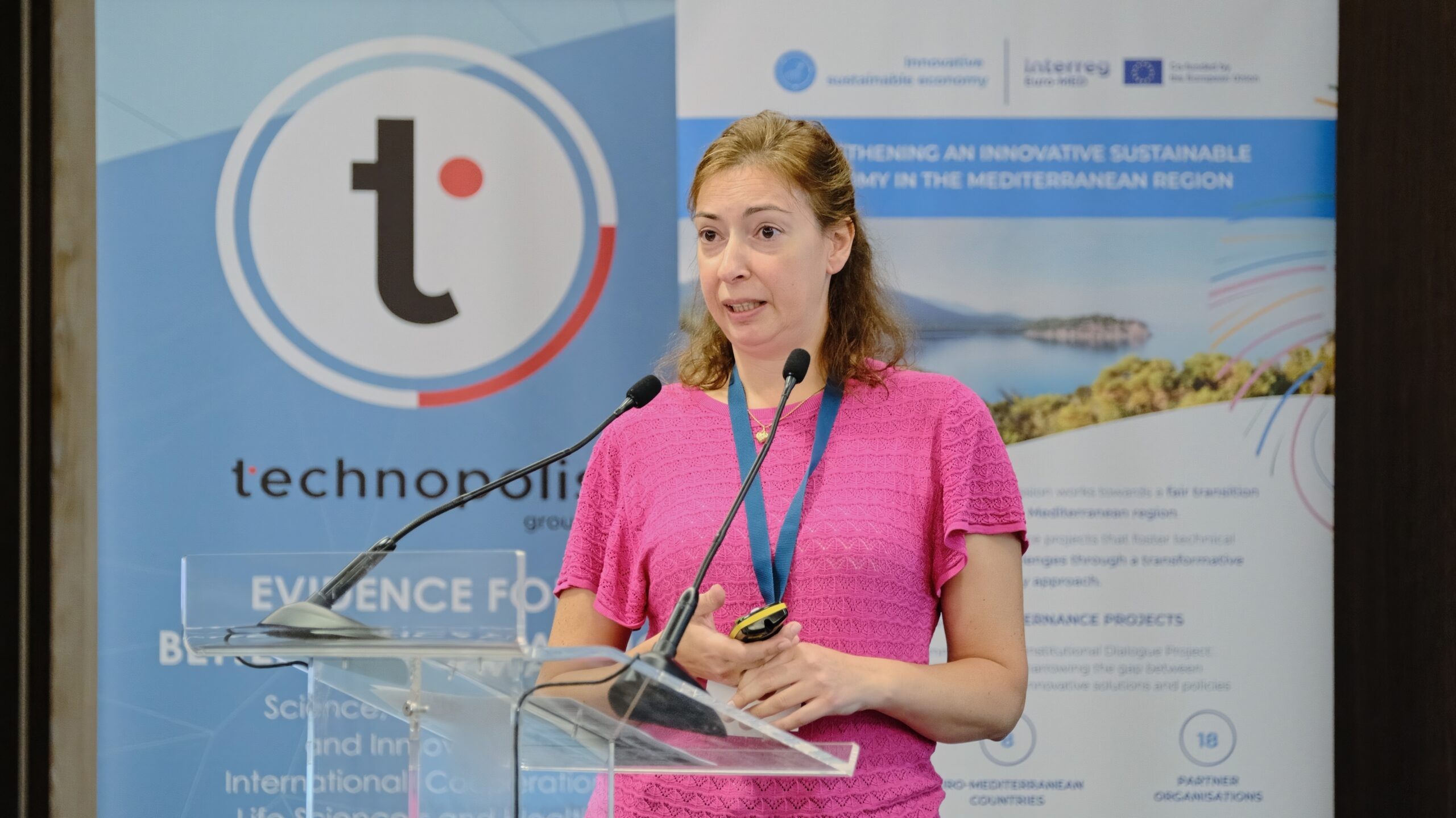
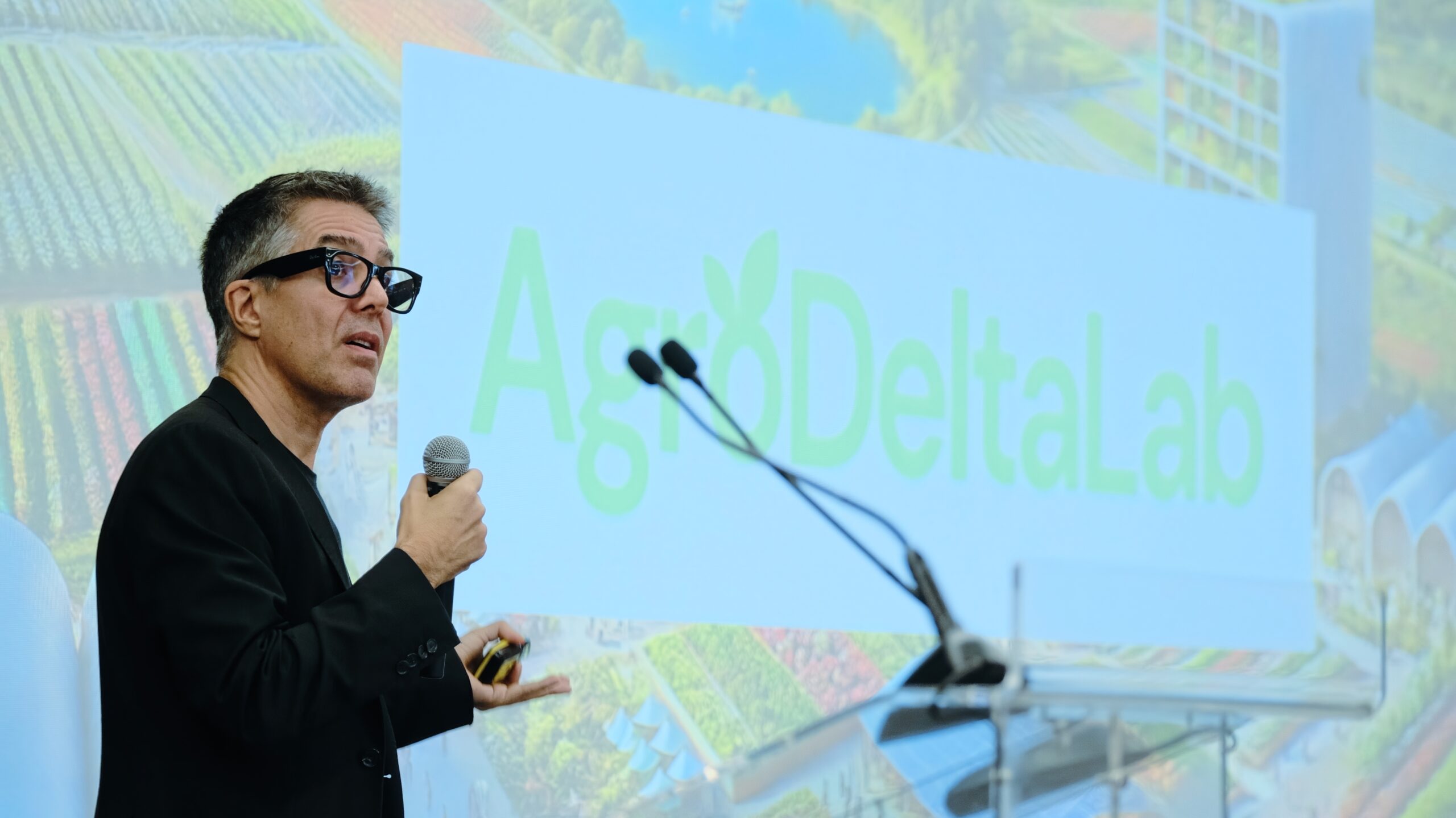
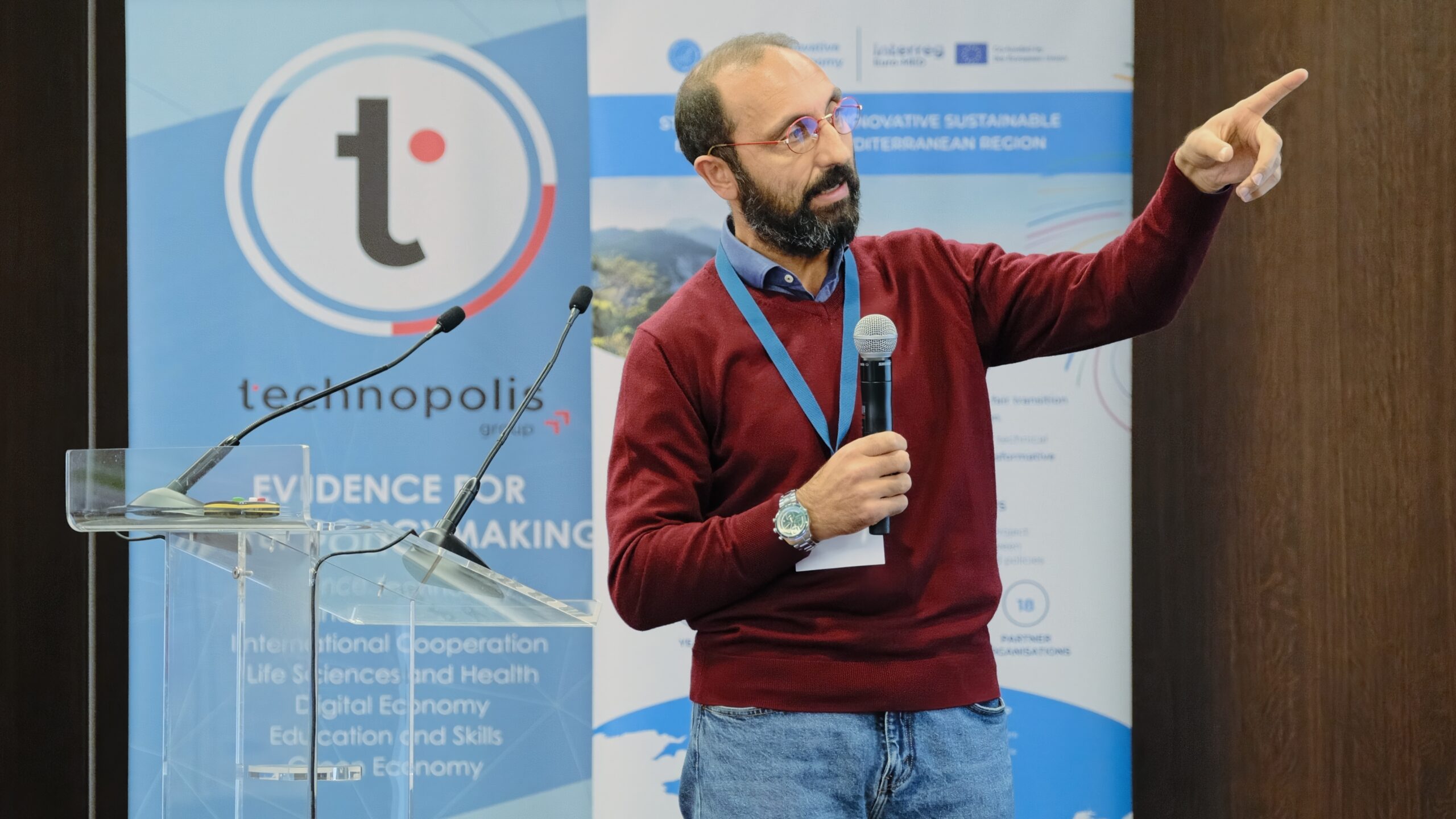
The Camp put foward the idea that systemic transitions require territorial environments for structured experimentation, where actors can jointly understand deeply the complex challenges they are addressing, test new practices, and learn under real conditions. By advancing TIPLabs and regulatory sandboxes in real local territories, and by interconnecting these spaces across regions, the Mediterranean can accelerate green and just transitions, strengthen resilience, and contribute to EU climate and sustainability goals.
CHECK THE PRESENTATIONS AND MATERIALS
- Agenda
- Day 1_23 October 2025
- Day 2_24 October 2025
- Interview with Ashraf Taha
- 3rd Innovation Camp Report
Your opinion matters: Did you attend the event? Please leave your feedback by filling out the form below. It will only take a few seconds, but it will help us to organise the next event more effectively.