What role will the regions play in the future of Europe?
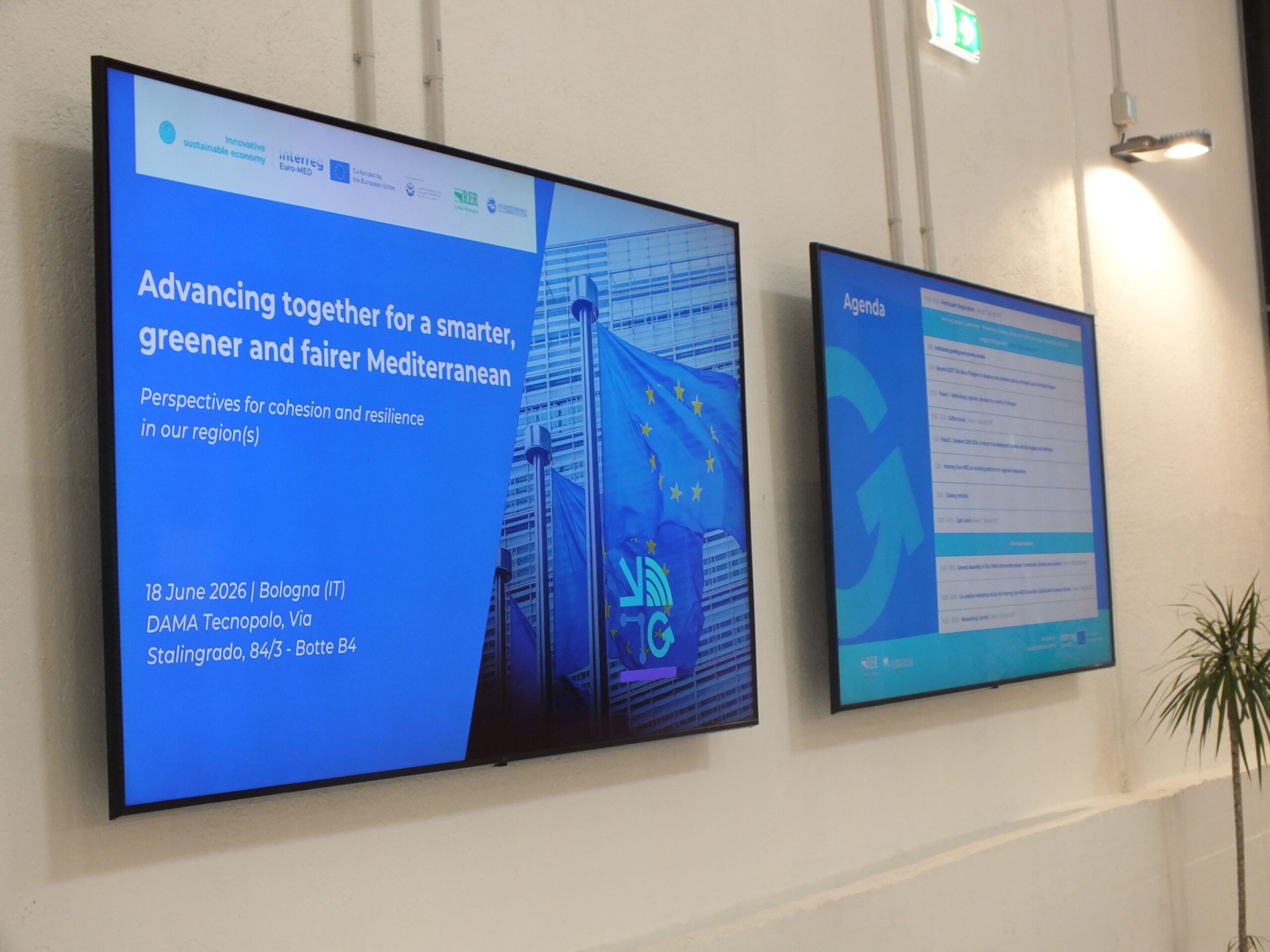
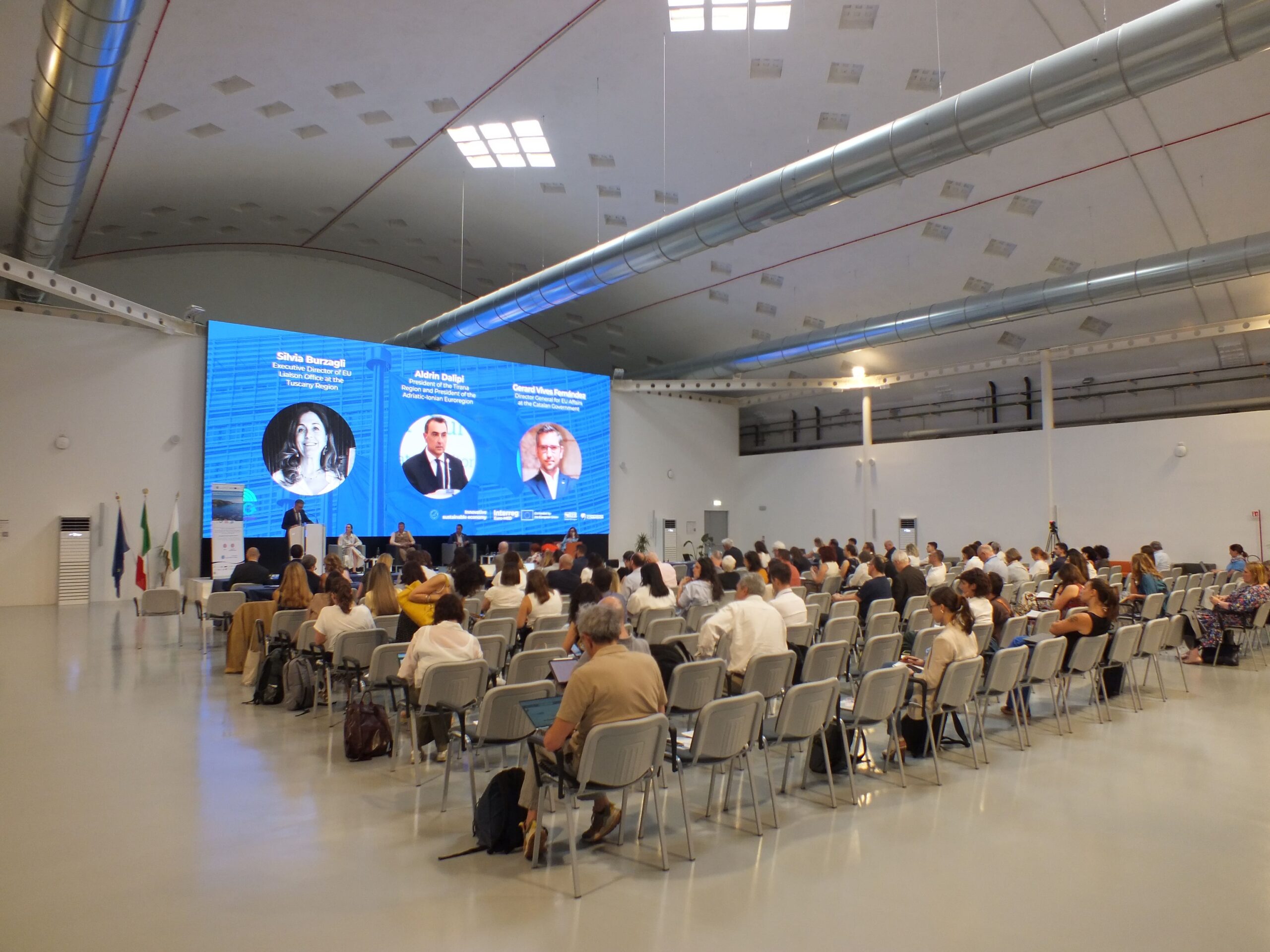
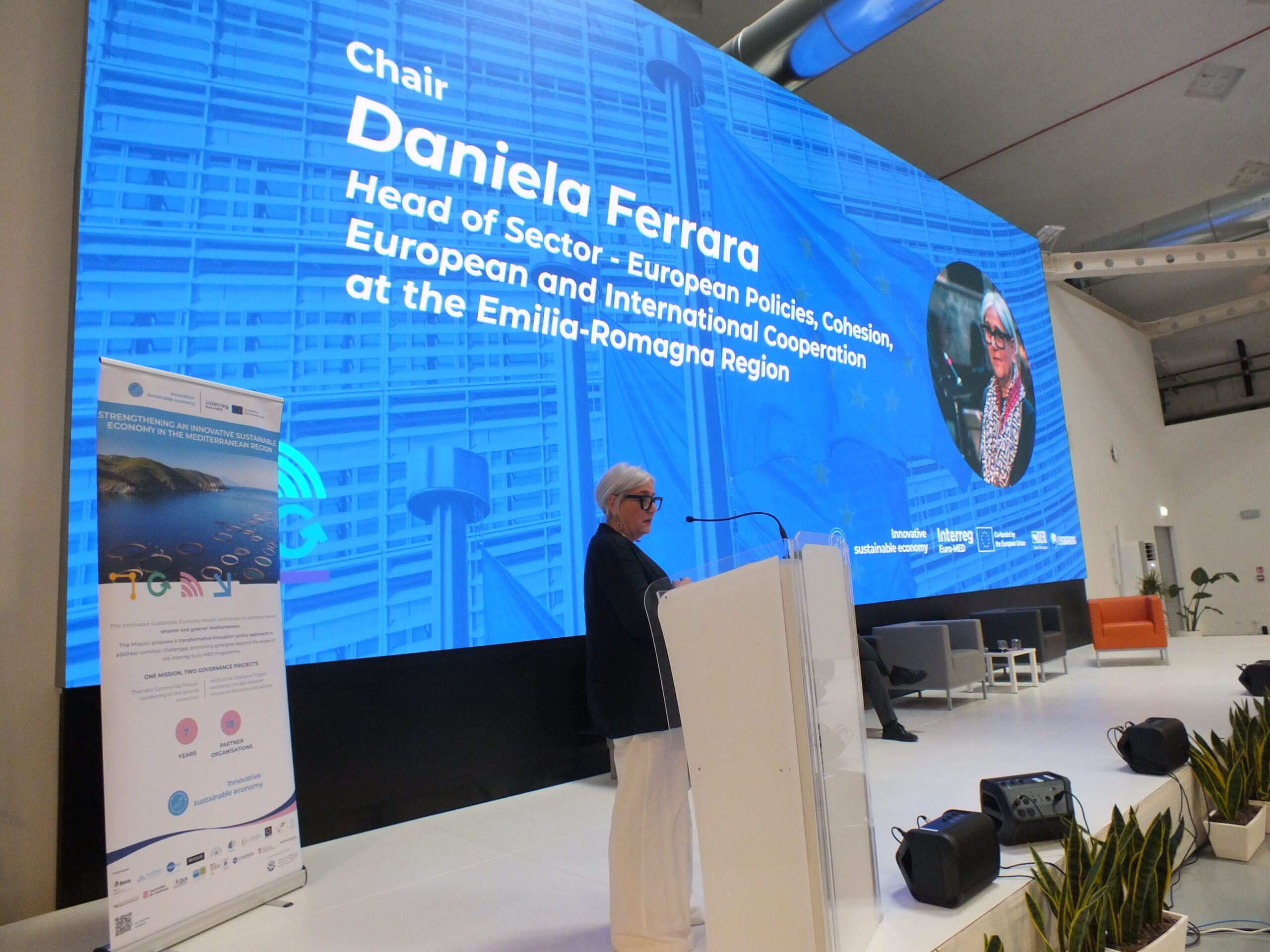
This question was at the centre of the high-level event “Advancing together for a smarter, greener and fairer Mediterranean – Perspectives for cohesion and resilience in our region(s)”, held at the DAMA Technopole in Bologna on 18 June 2026.
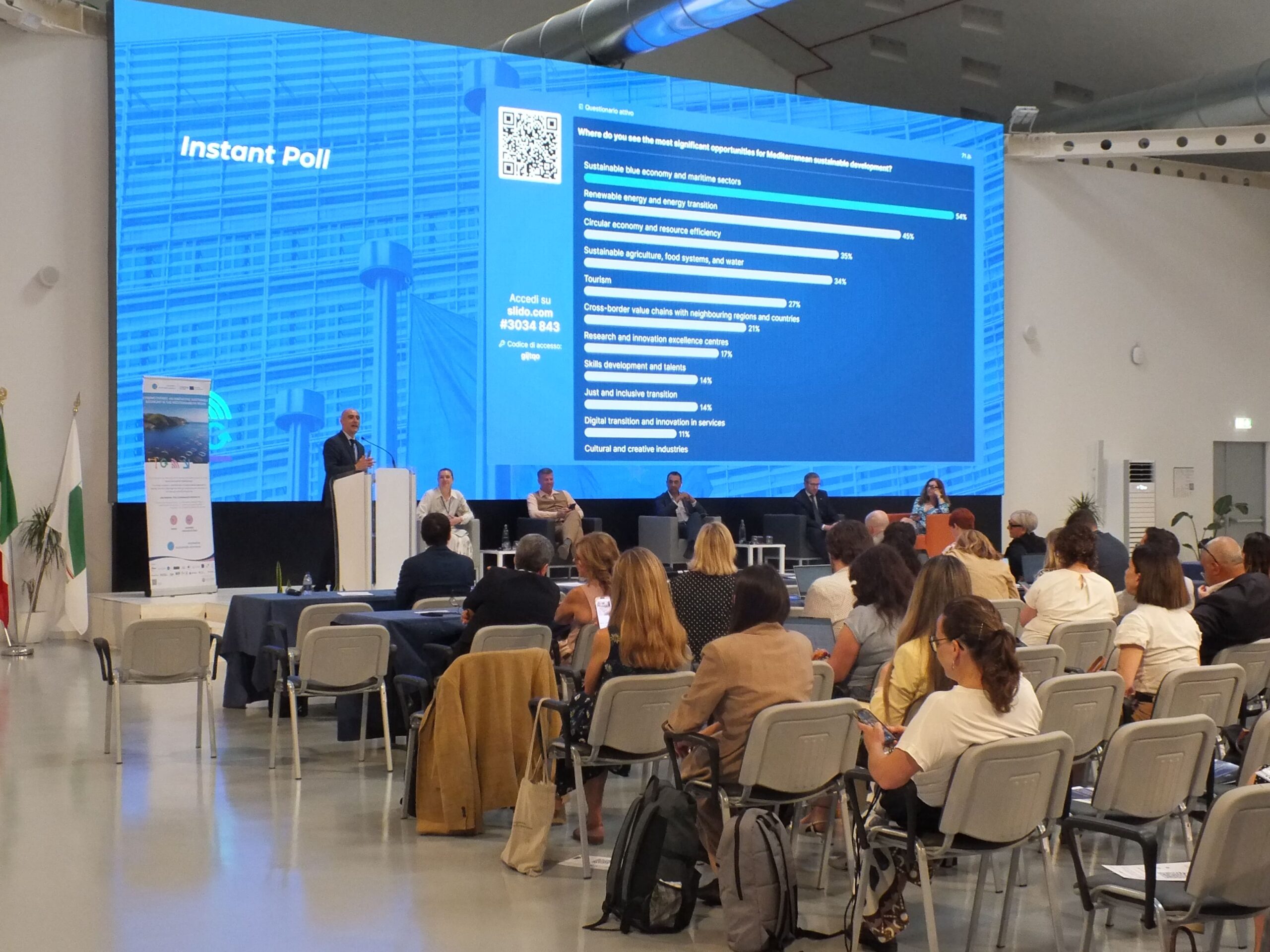
Organised within the framework of the Interreg Euro-MED Innovative Sustainable Economy (ISE) Mission by the Emilia-Romagna Region and the Conference of Peripheral and Maritime Regions (CPMR), the event brought together representatives from European institutions, national and regional authorities and over 150 participants from across the Mediterranean to discuss the future of cohesion policy and the role of territories in the 2028–2034 programming period.
One message ran through the entire day: the challenges facing European territories — economic transitions, demographic pressures, climate change, geopolitical uncertainty — cannot be addressed from the centre alone. Cohesion policy works when territories are empowered to act, not merely to implement.
Cohesion and cooperation: the perspective from Mediterranean region(s)
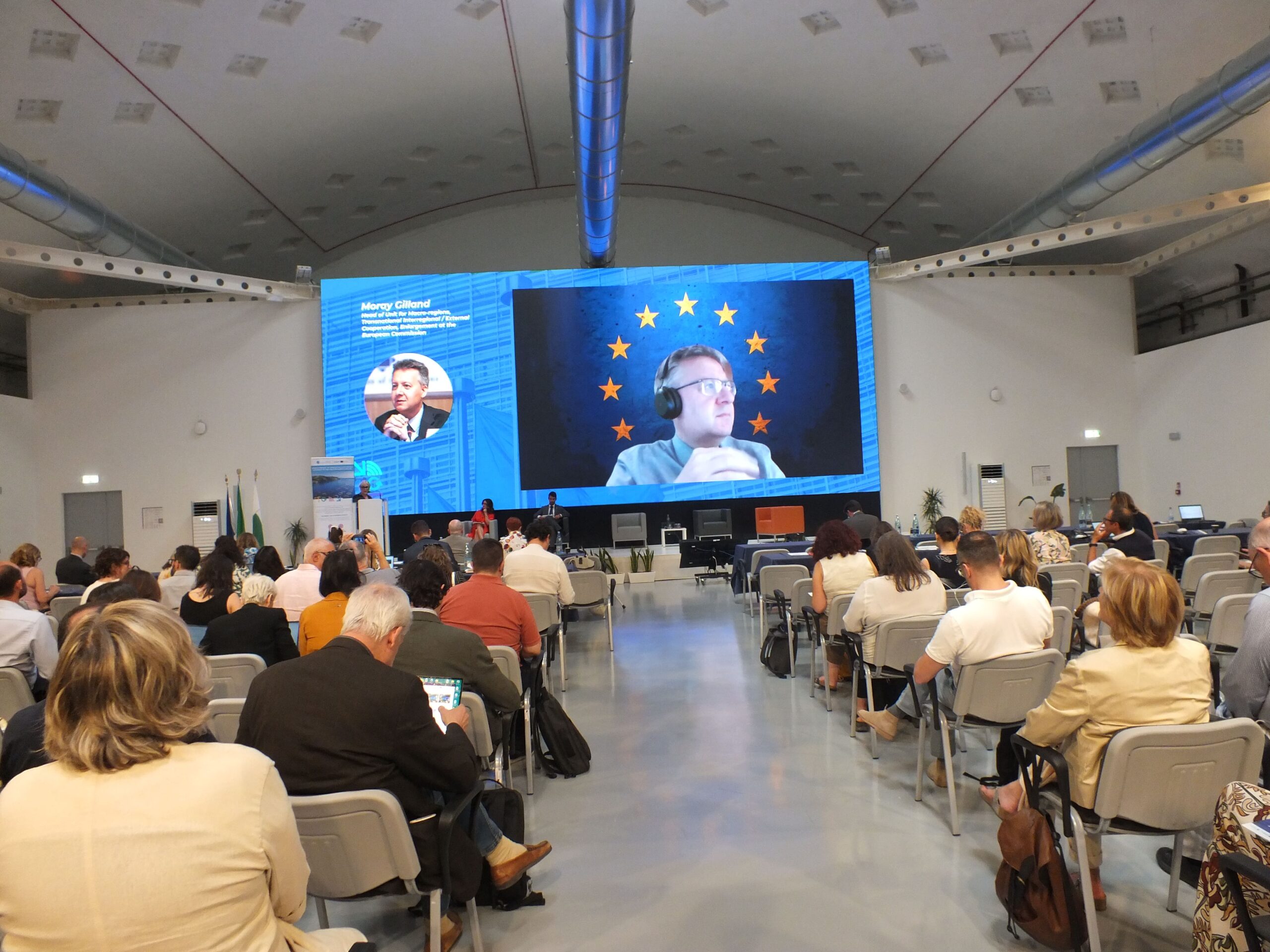
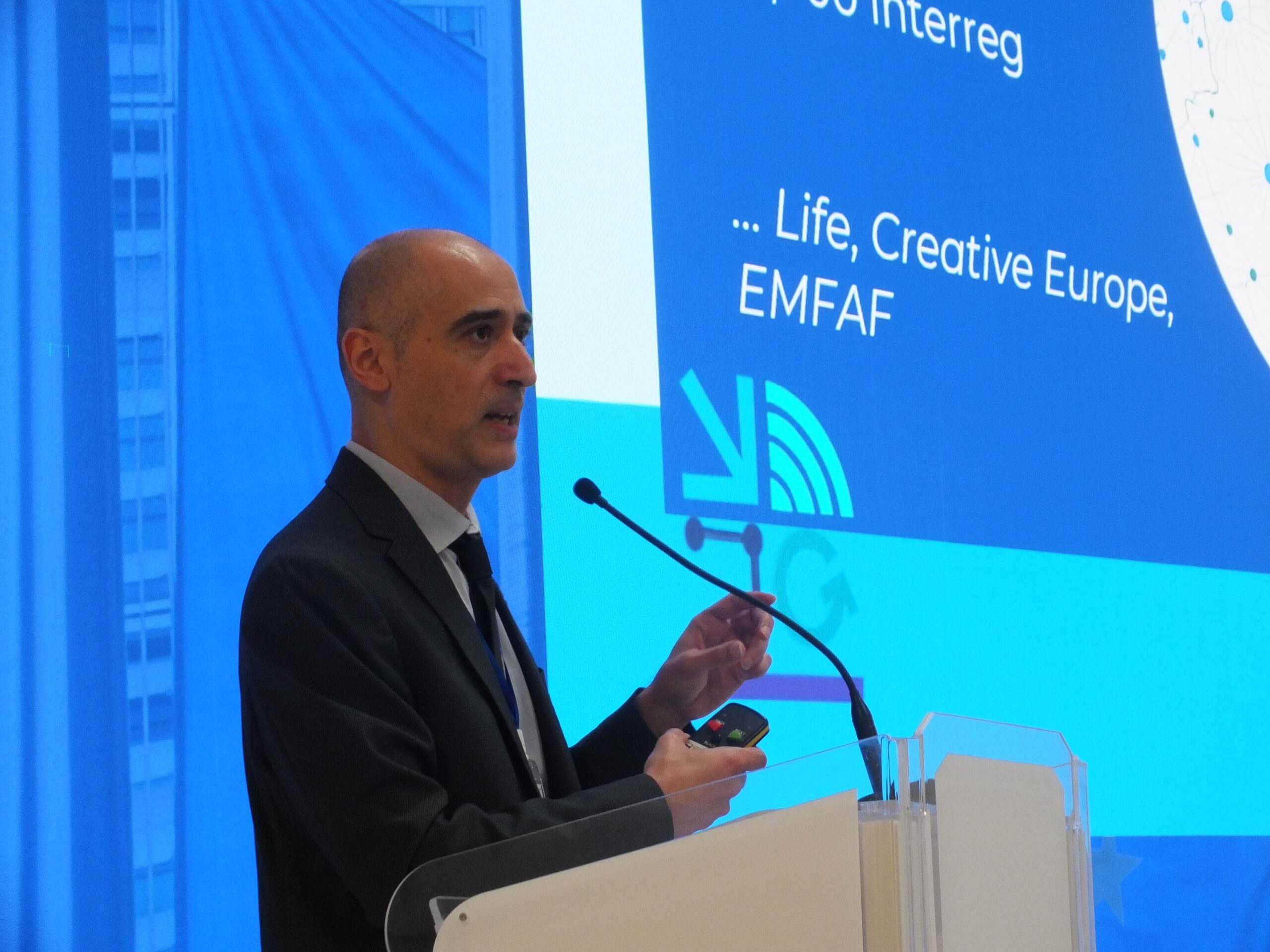
Discussions throughout the morning made clear that the future of cohesion is not only a question of investment, but of governance and the capacity of regions to inform — not merely implement — a policy genuinely responsive to territorial realities. A common thread of the event was the strategic importance of cooperation among Mediterranean regions: shared challenges require shared approaches, and the capacity to address them depends on territories that are connected, resourced and able to act together across borders. Moray Gilland, Head of Unit for Macro-regions, Transnational and External Cooperation at DG REGIO, underlined how transnational and interregional cooperation programmes serve precisely this function — creating the conditions for policy dialogue and shared solutions that bilateral or national frameworks alone cannot deliver.
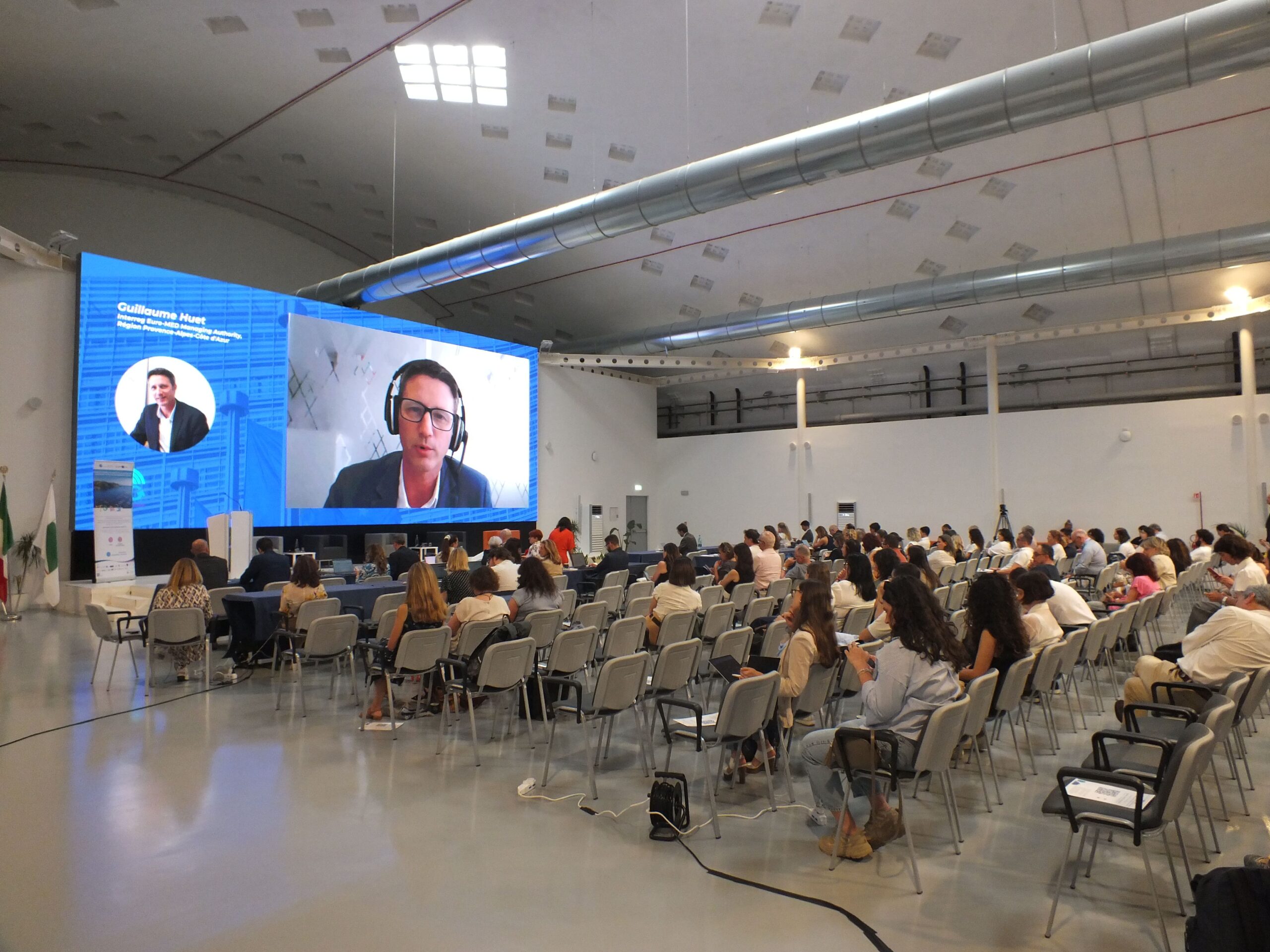
In this context, Interreg Euro-MED plays a role that goes beyond funding. Guillaume Huet, Director for Euro-Mediterranean and International Cooperation at the Région Provence-Alpes-Côte d’Azur and Managing Authority of Interreg Euro-MED, described the programme as a platform for cooperation, policy alignment and transformation across the Mediterranean — one that is moving beyond traditional project. Through its governance and dialogue projects, and tools such as the multi-programme mechanism connecting ten Interreg programmes across the Mediterranean, the ISE Mission works to break silos between programmes and connect regional actors across institutional boundaries. “What truly differentiates this programme”, Huet noted, “is the way we deliver through capitalisation — structuring a common knowledge and solution ecosystem for the Mediterranean.”
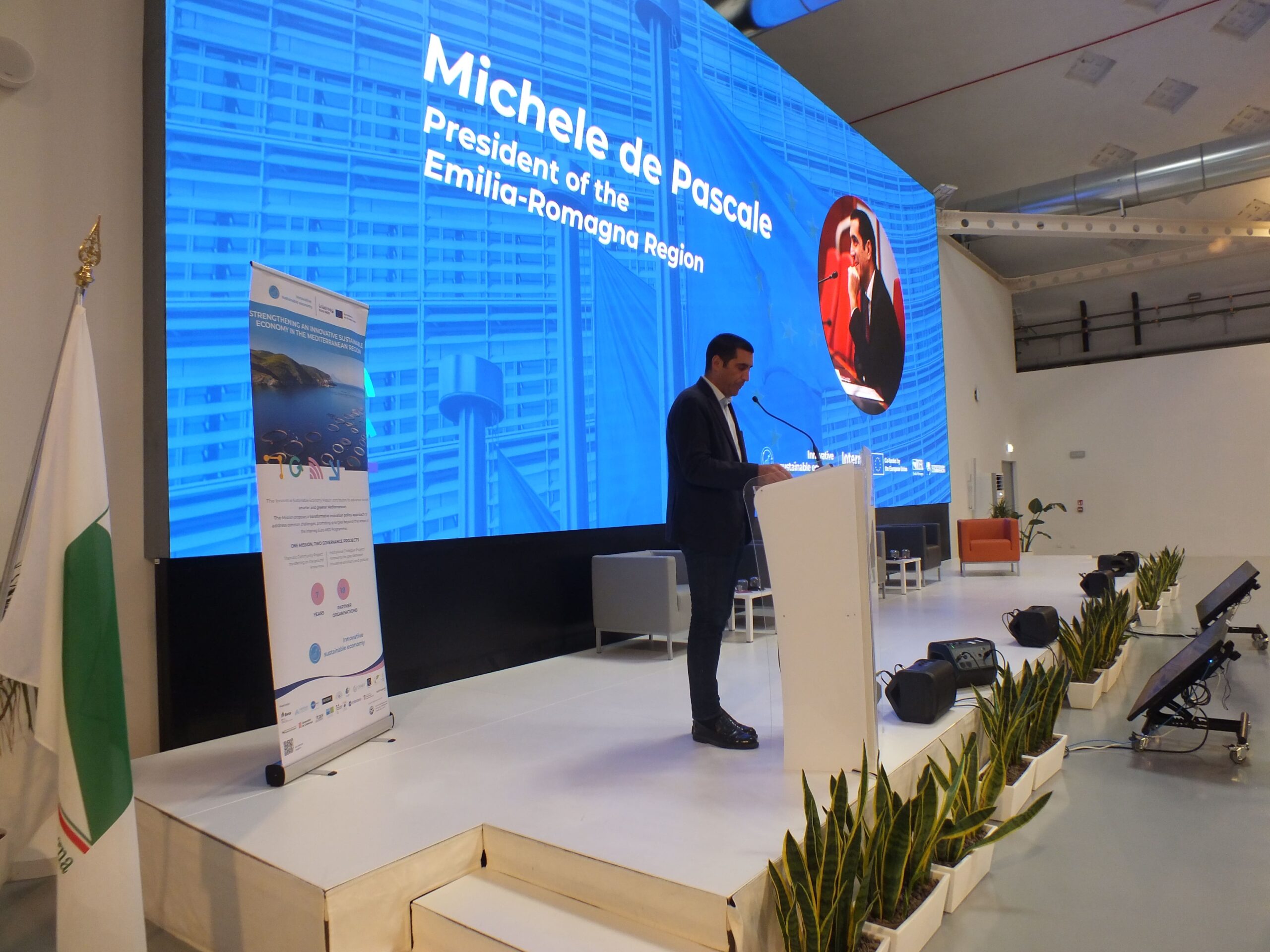
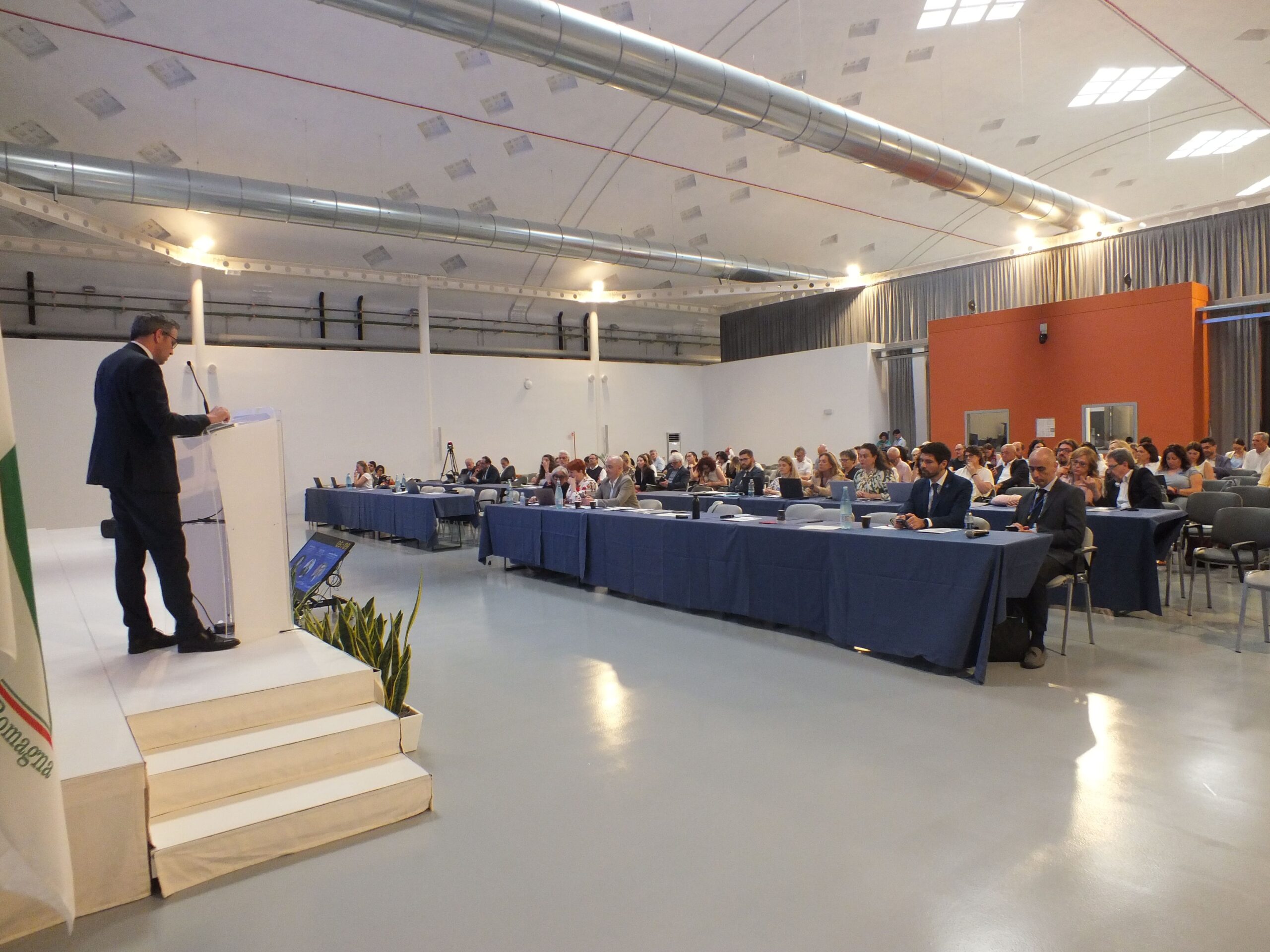
Opening the event, Michele de Pascale, President of the Emilia-Romagna Region, framed cohesion as a political rather than a financial commitment: “The major transitions we are experiencing can only succeed if accompanied by adequate investment, strong European instruments and a shared long-term strategy. Europe needs to strengthen its global competitiveness, but it cannot do so by undermining social and territorial cohesion: progress is built from the ground up, with communities and for communities.”
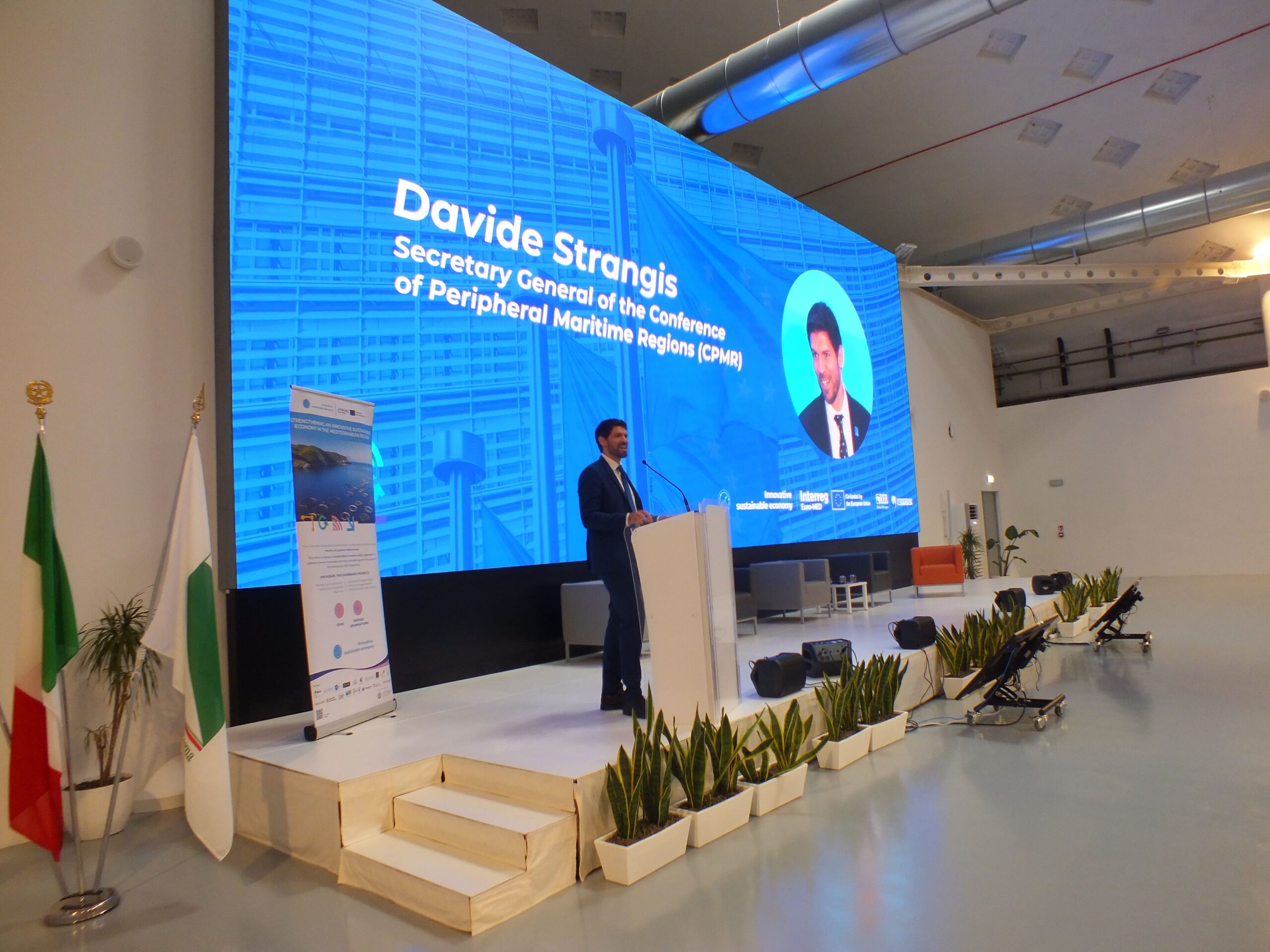
CPMR Secretary General Davide Strangis echoed this, arguing that competitiveness and cohesion are not competing objectives — territorial cohesion is a precondition for unlocking Europe’s full potential. He also cautioned that “Simplification must not mean centralisation, and flexibility must not come at the expense of territorial ownership. Regions must be considered full partners, with an active role in making policies come true.”
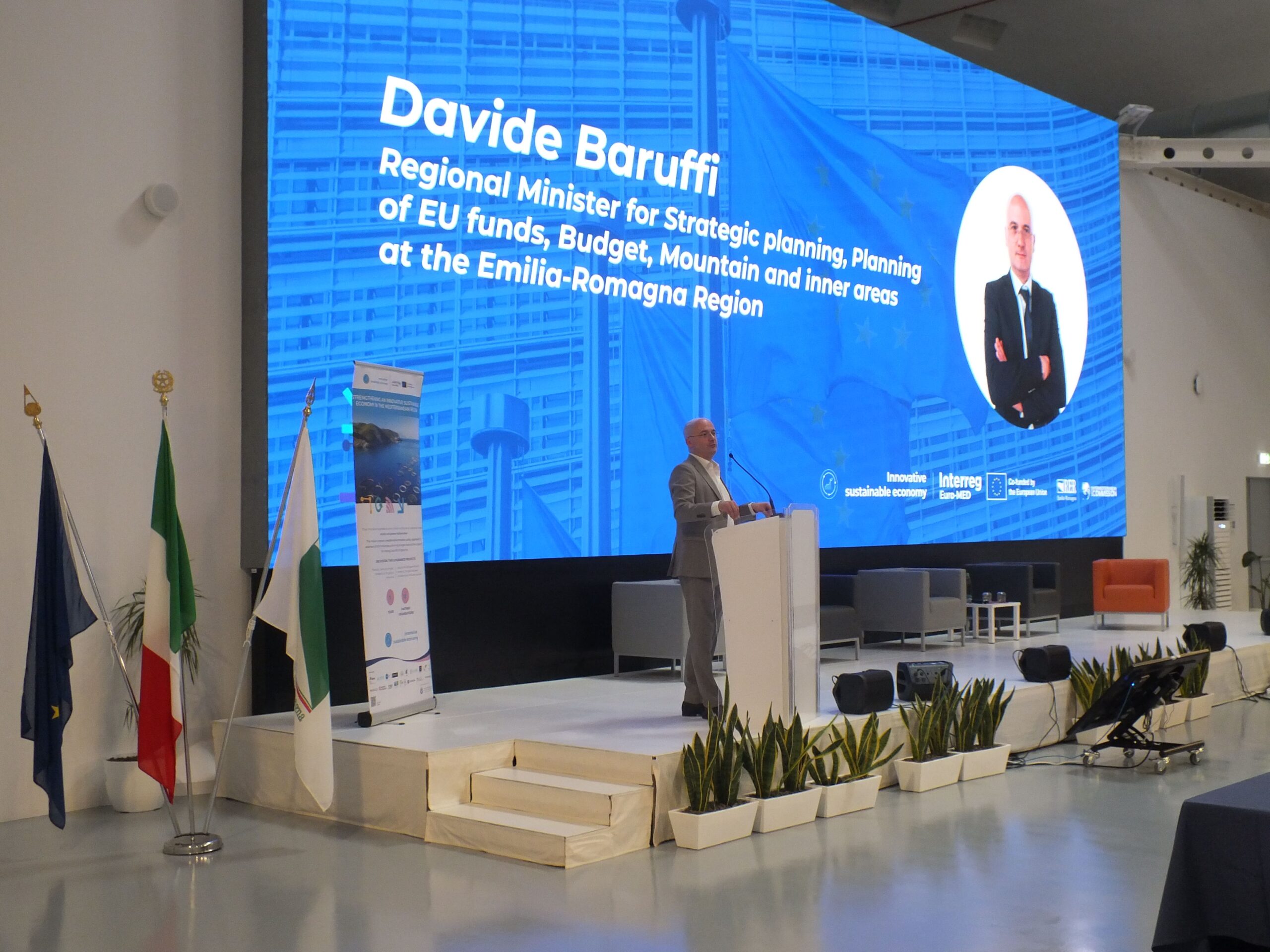
Davide Baruffi, Regional Minister for EU Funds and Strategic Planning at the Emilia-Romagna Region, noted that territorial inequalities are changing in nature: the sharpest divides are no longer only between countries and regions, but increasingly within them — between stronger and weaker areas, urban centres and rural peripheries.
Cohesion in a changing policy landscape
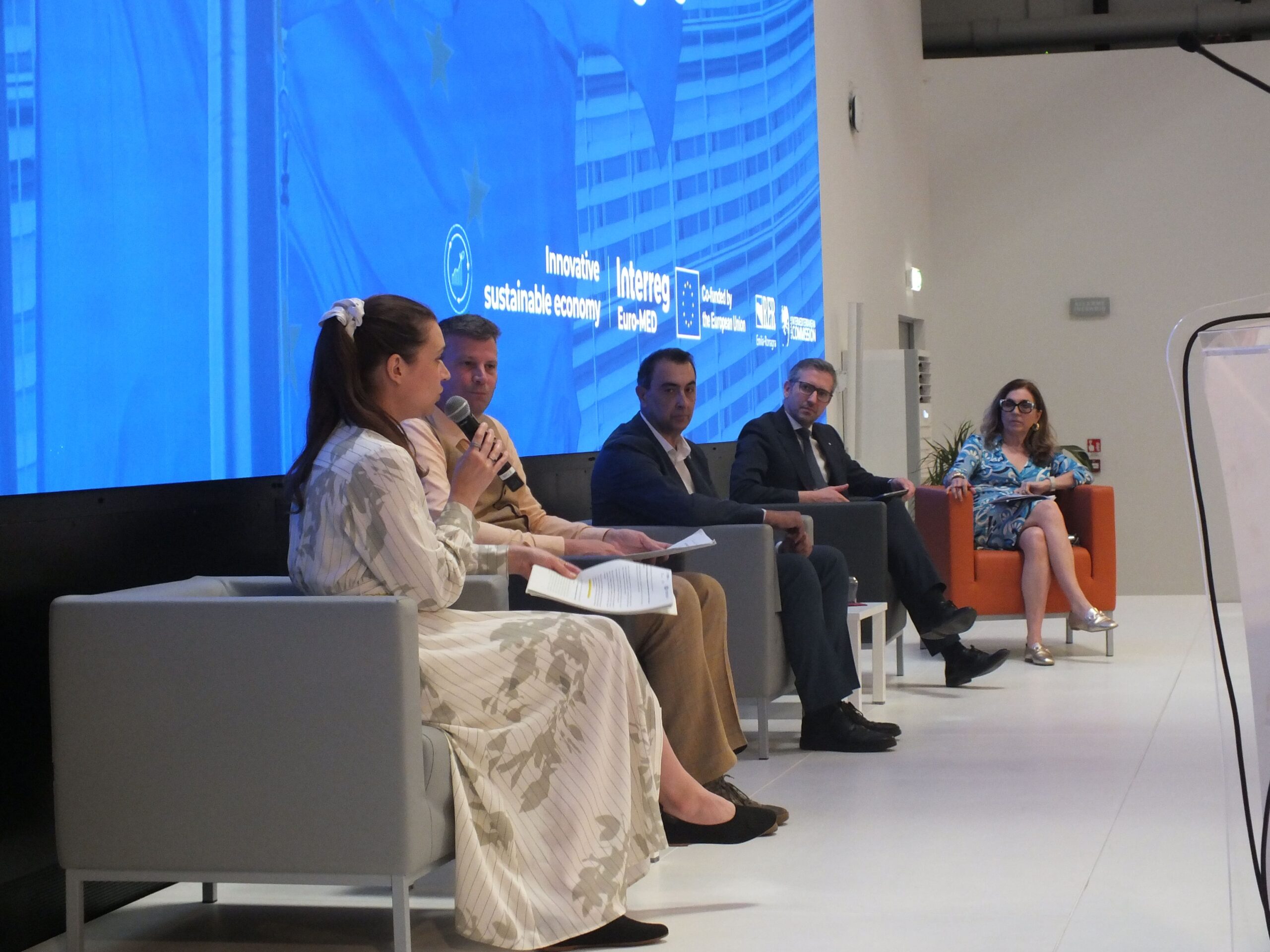
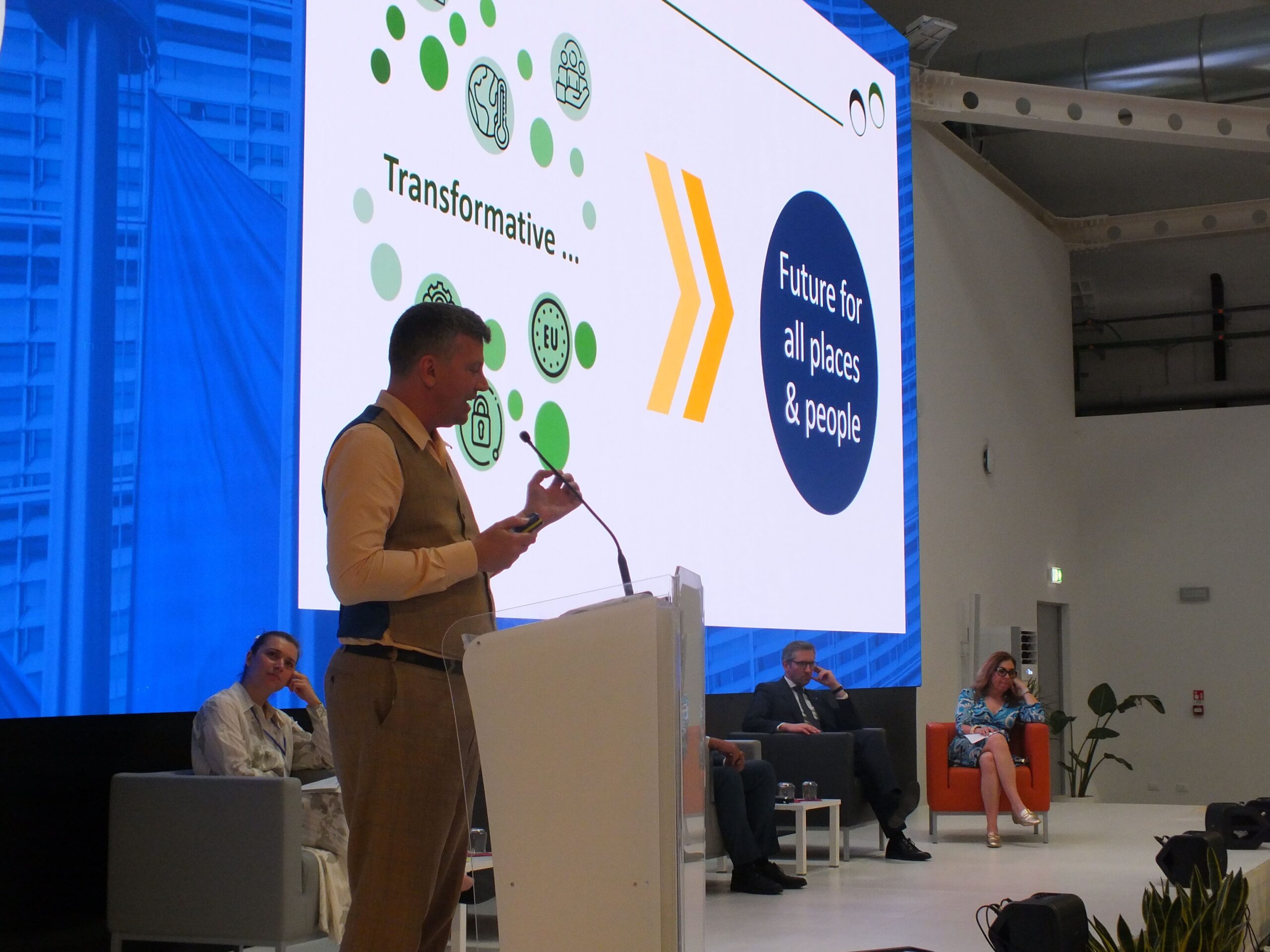
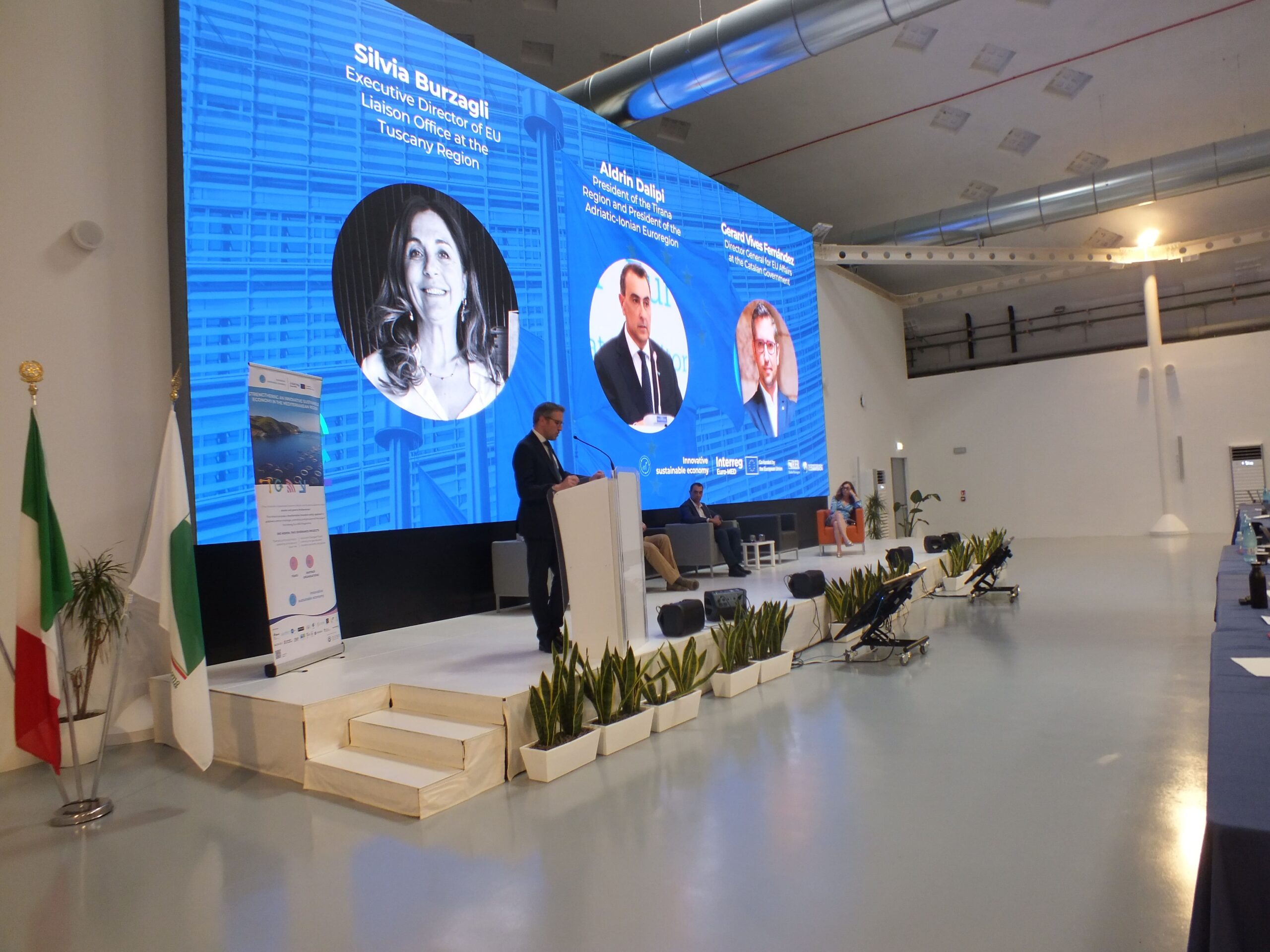
The first panel — Rethinking regional cohesion: a new paradigm in a world of changes — explored what cohesion means today and how future policies should respond to an increasingly unequal territorial landscape. Kai Böhme, founder and director of Spatial Foresight, argued for a transformative approach connecting different territorial scales — from functional areas to cross-border and macro-regional frameworks — around the objective of creating “positive future perspectives for all places and all people.”
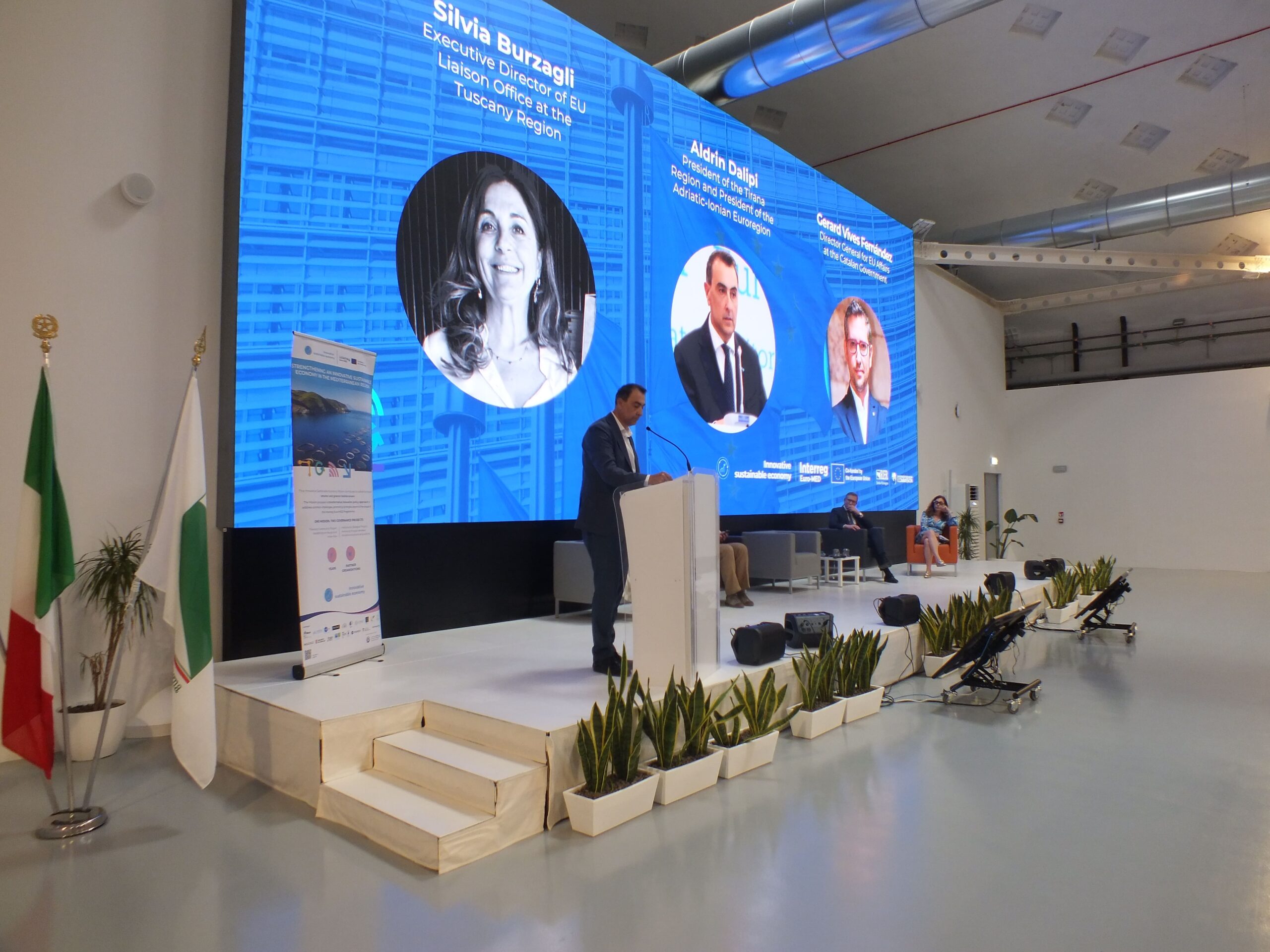
Silvia Burzagli, Executive Director of the EU Liaison Office of the Tuscany Region, stressed that this requires genuine investment in institutional capacity at all levels of government — “not only as an administrative issue, but as a real strategic capacity: the capacity to understand territorial needs, design solutions, build partnerships and use evidence and data to support decision-making.”
Two further interventions widened the geographic lens. Aldrin Dalipi, President of the Tirana Region and of the Adriatic-Ionian Euroregion, argued for a closer link between cohesion policy and the EU enlargement process, pointing to economic integration with the Western Balkans and the role of regions in the accession process as underexplored assets. Gerard Vives Fernández, Director General for EU Affairs of the Government of Catalonia, drew the sharpest conclusion: “The Mediterranean does not stop at the edge of the Union. Cohesion understood as territorial dimension has a geography that does not match with the Union’s institutional boundaries” — and the resilience Europe builds within its borders depends on what it builds together with those who remain outside them.
Cohesion 2028–2034: a reform to be developed together with regions and territories
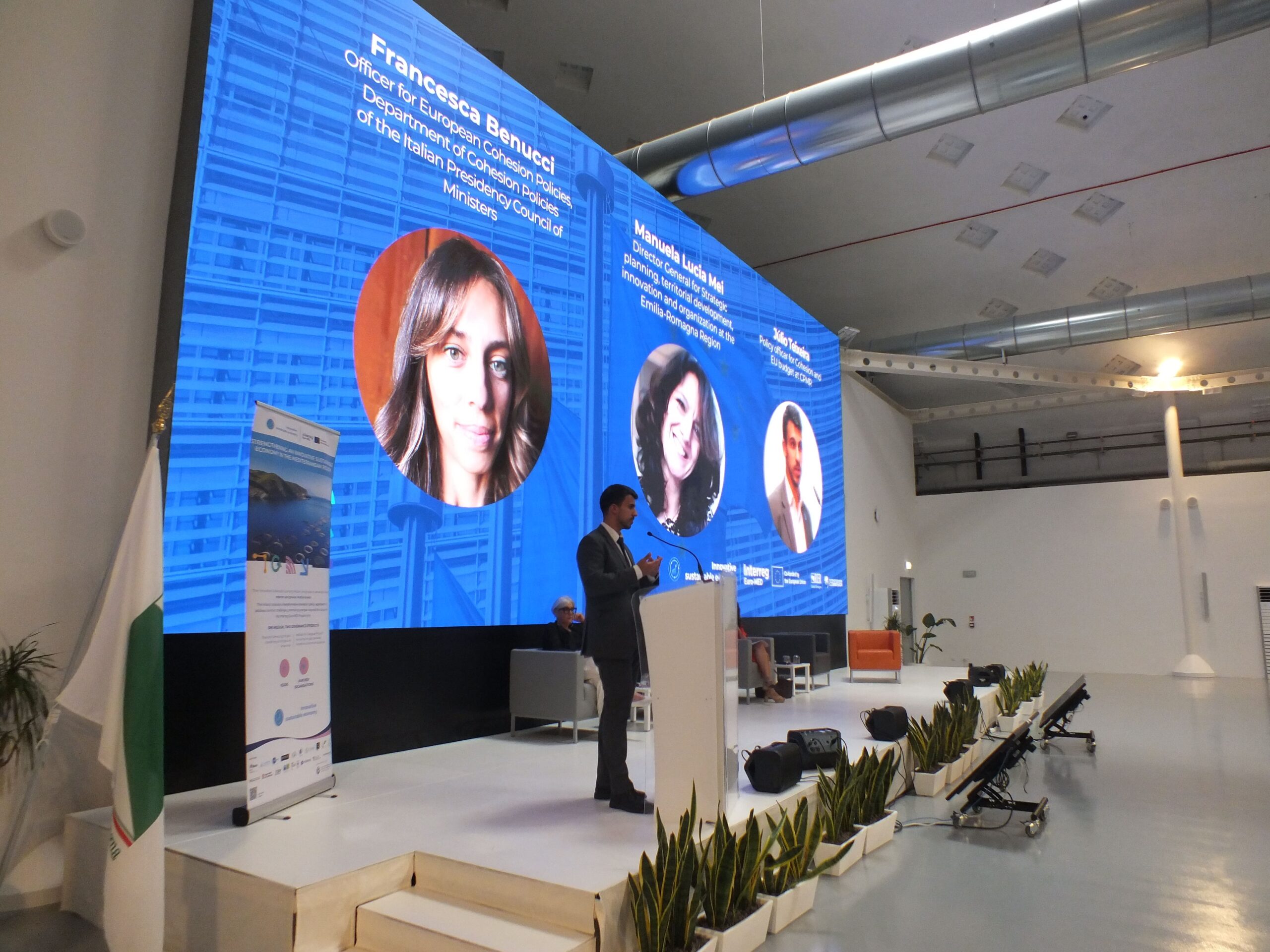
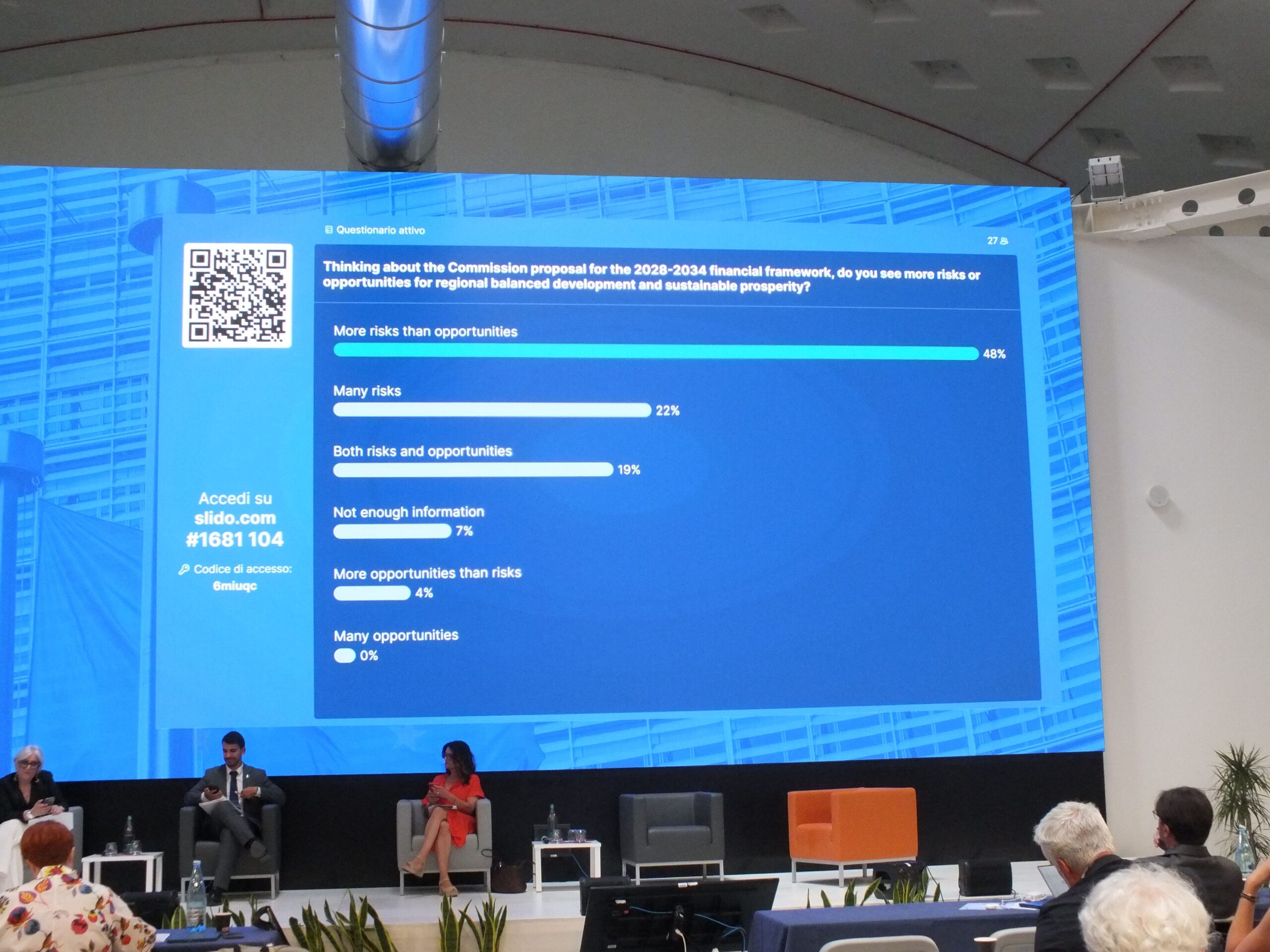
Opening the second panel, Moray Gilland, Head of Unit for Macro-regions, Transnational and External Cooperation at DG REGIO, outlined the implications of the proposed 2028–2034 MFF for cohesion policy: the framework retains its fundamental principles of partnership and multilevel governance, but introduces significant reforms oriented toward simplification and performance.
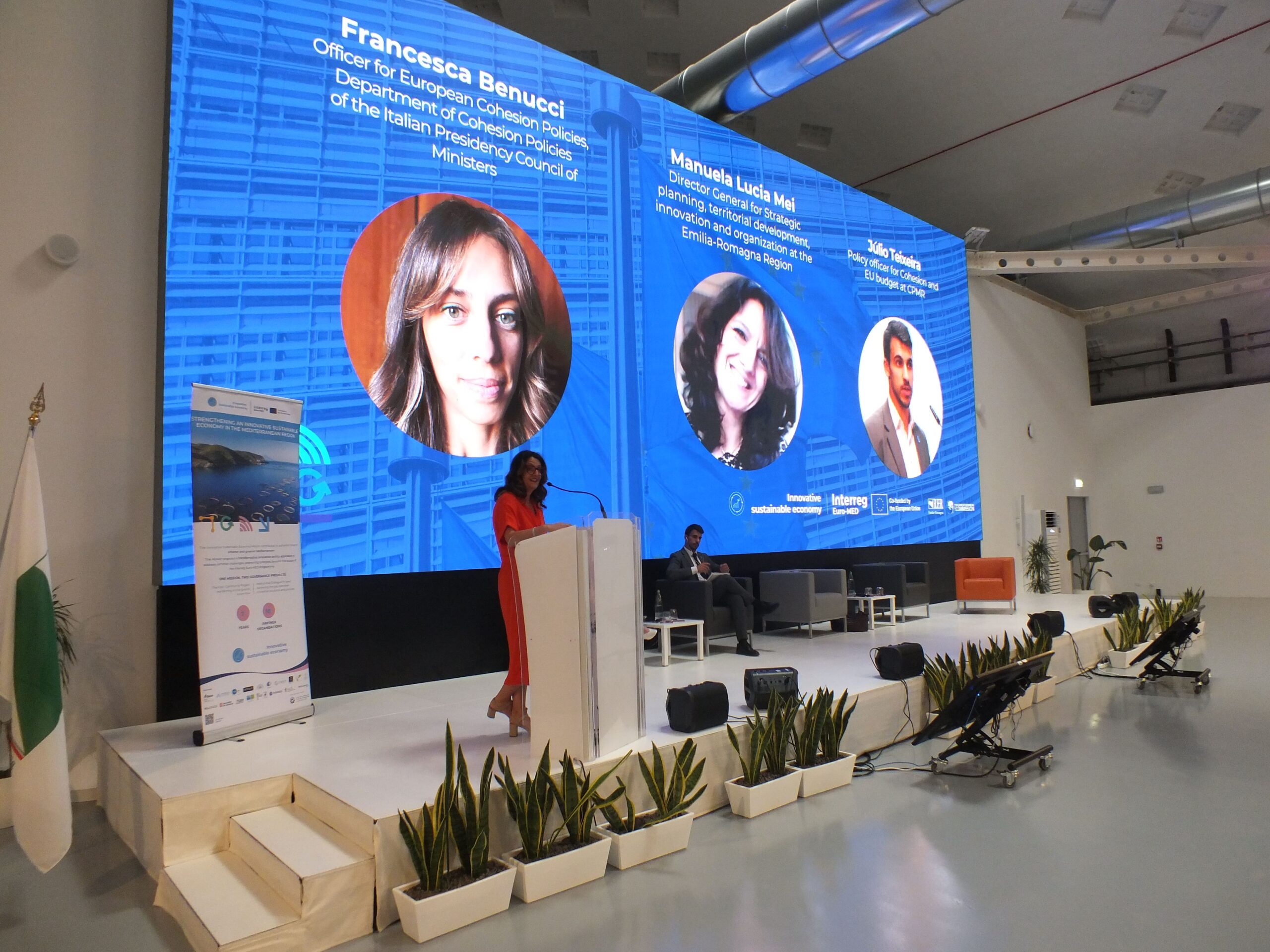
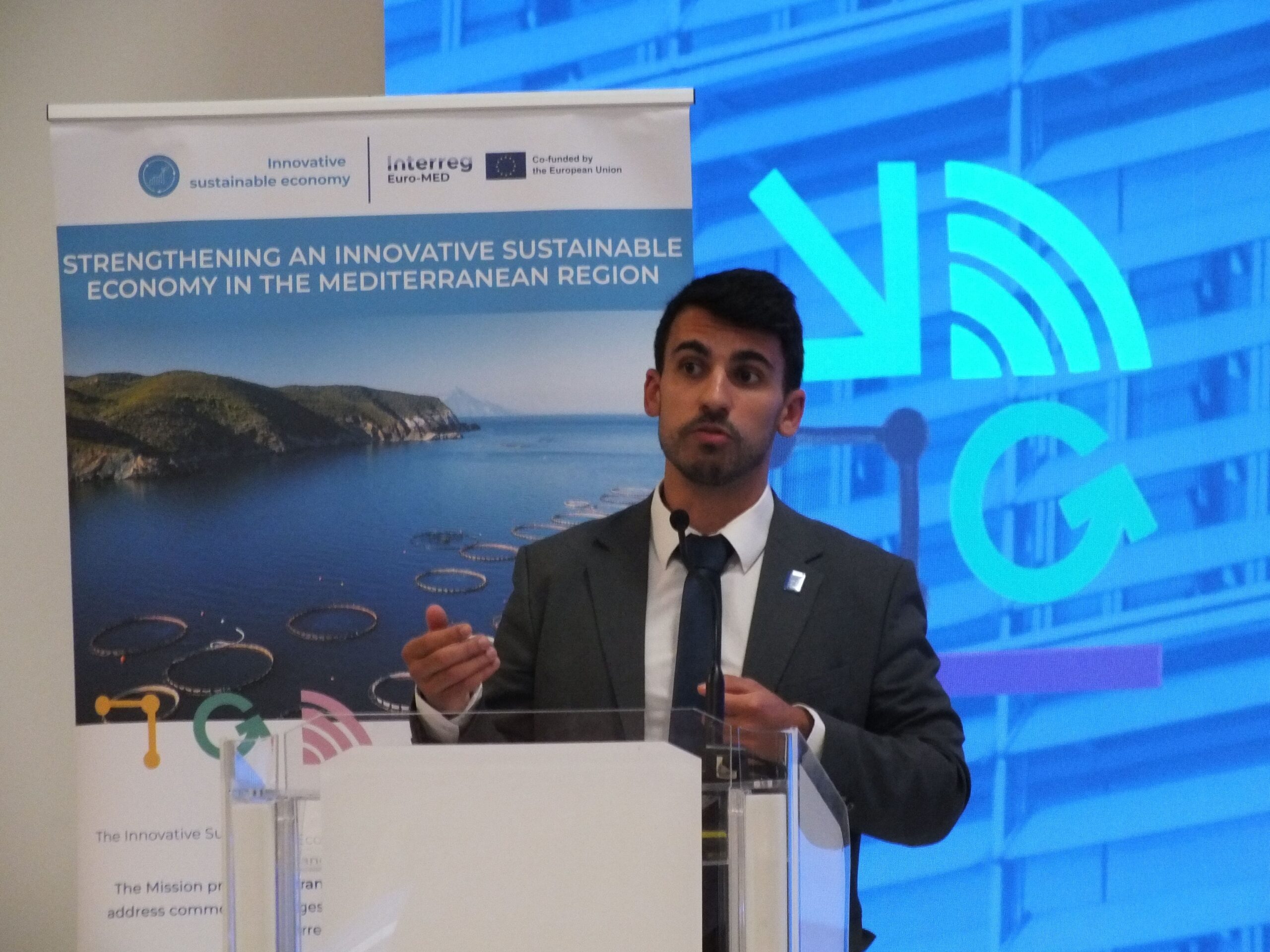
Julio Teixeira, Policy Officer on Cohesion and EU Budget at the CPMR, set out the main risks. Under the proposed budget, only around 40% of funds would be managed jointly by the Commission, member states and regions — down from 70% in the current period — with no safeguarded allocation for cohesion beyond less developed regions. More fundamentally, the regulation on National and Regional Partnership Plans provides no guarantee that regions will be meaningful actors in their design and delivery: the partnership and multilevel governance principles appear in the text, but without binding provisions. He called for regional chapters to be established as fundamental pillars of the plans, not optional components.
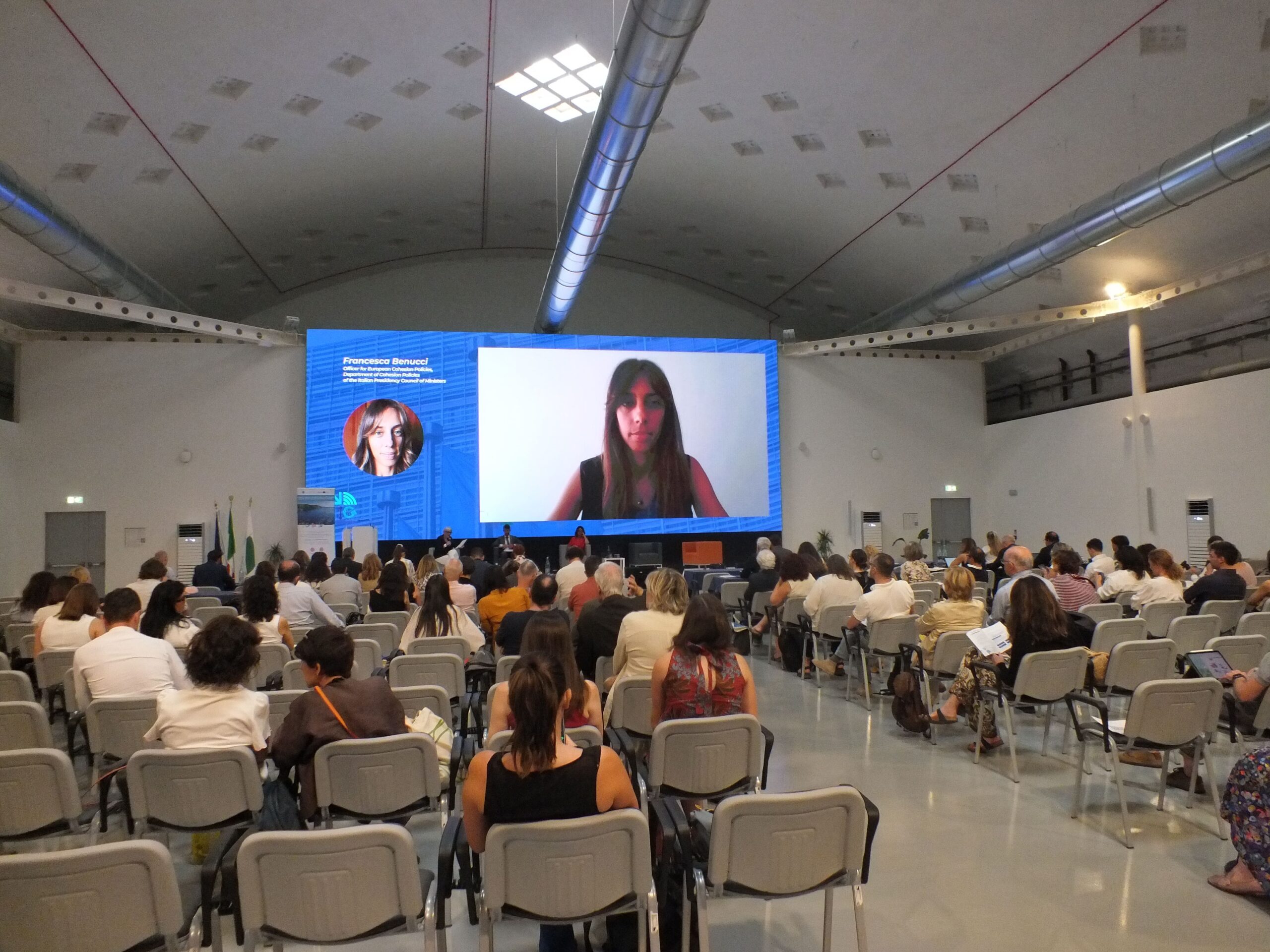
From the Italian national perspective, Francesca Benucci, Officer for European Cohesion Policies at the Presidency of the Council of Ministers, confirmed Italy’s consistent position: cohesion policy must retain its distinct identity and financial envelope, and regional and local authorities must be fully involved in the preparation, implementation and evaluation of national plans. Manuela Lucia Mei, General Director for Strategic Planning at the Emilia-Romagna Region, made the practical case: effective cohesion policy, with a strong territorial dimension and genuine local engagement, is the most reliable way to translate European commitments to places —remarked with the EU Agenda for Cities, the initiative Right to Stay and the EU Strategies for Islands and Coastal Communities – into concrete and visible action.
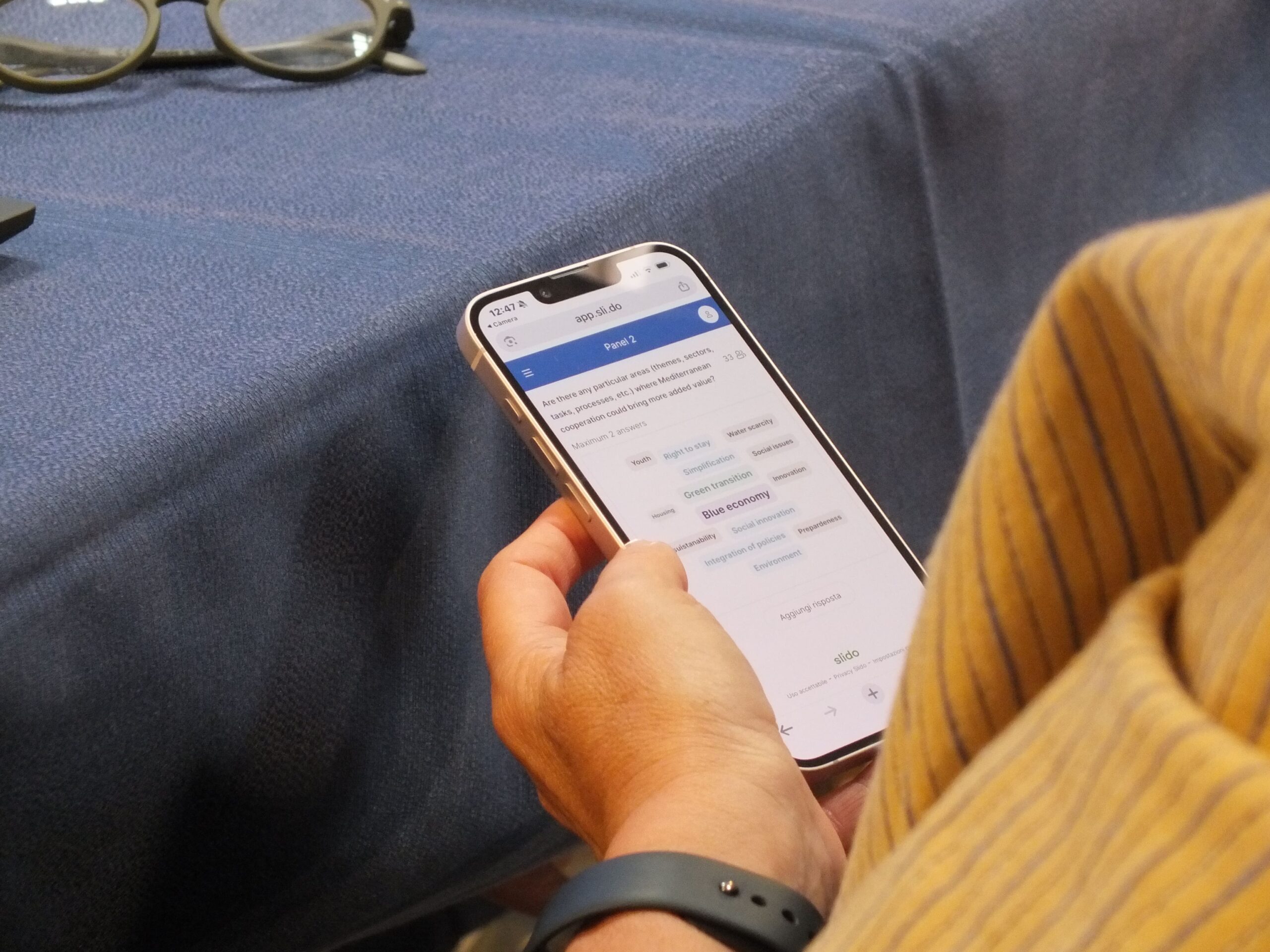
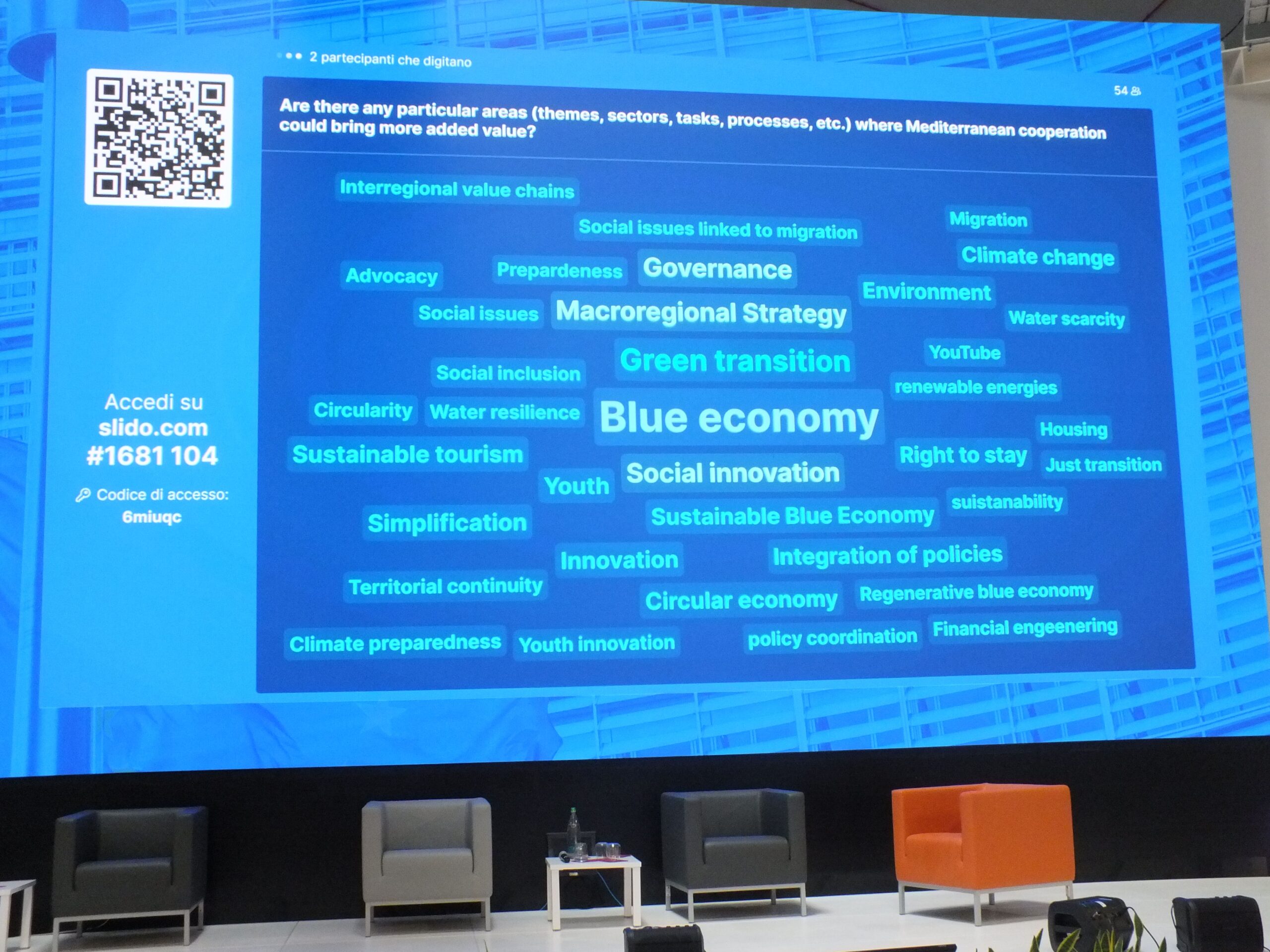
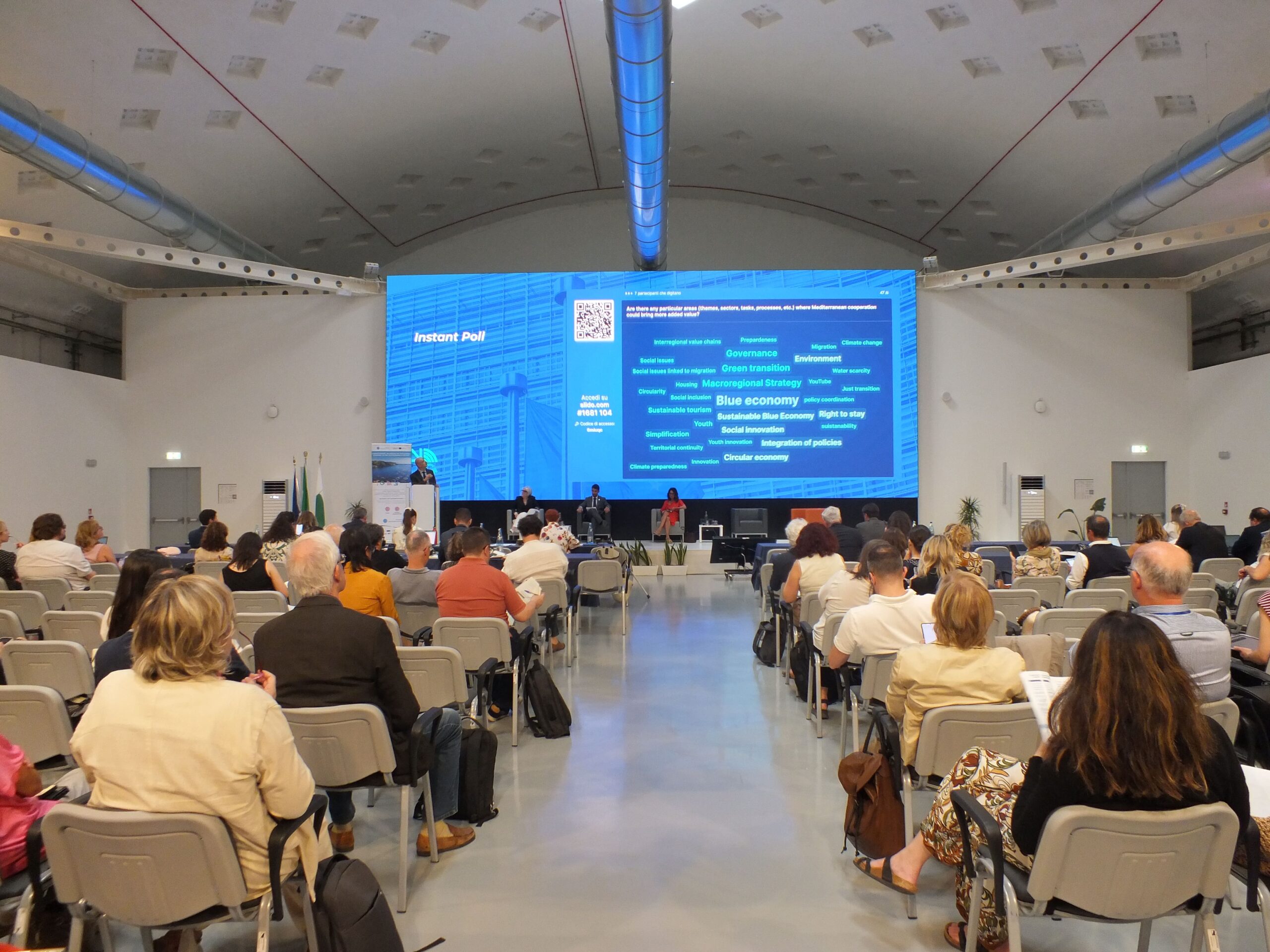
Toward a shared vision: the afternoon workshop
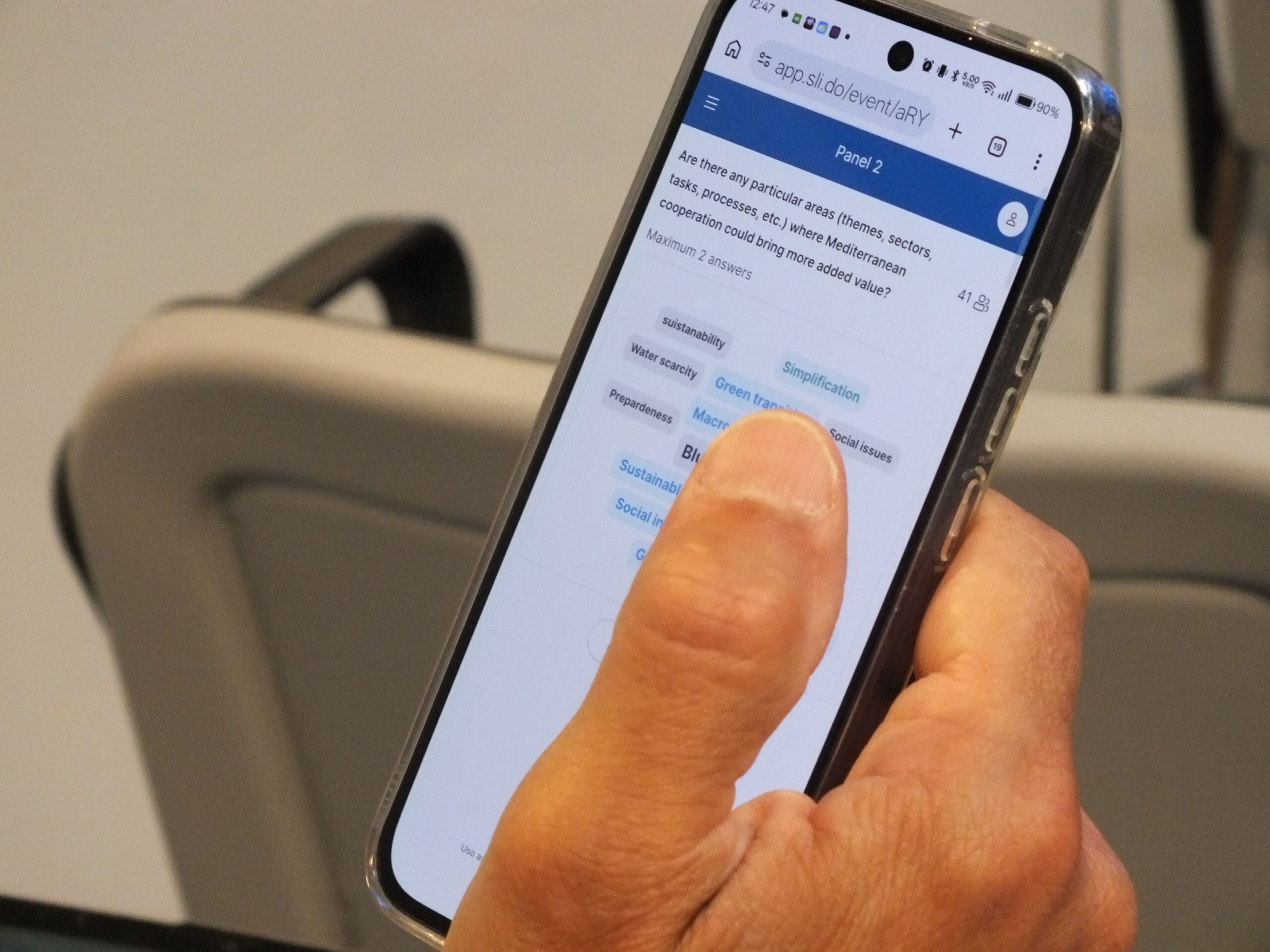
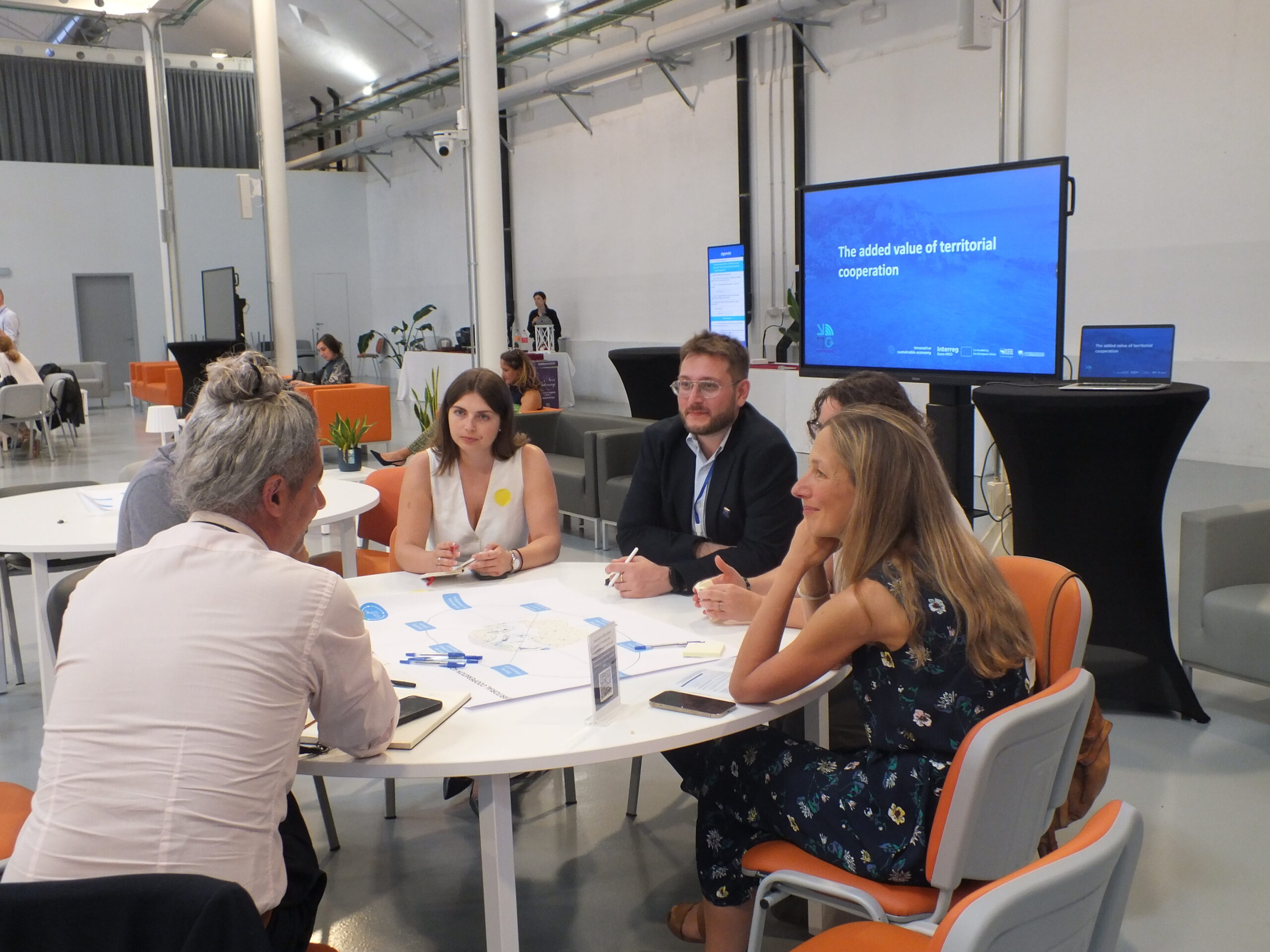
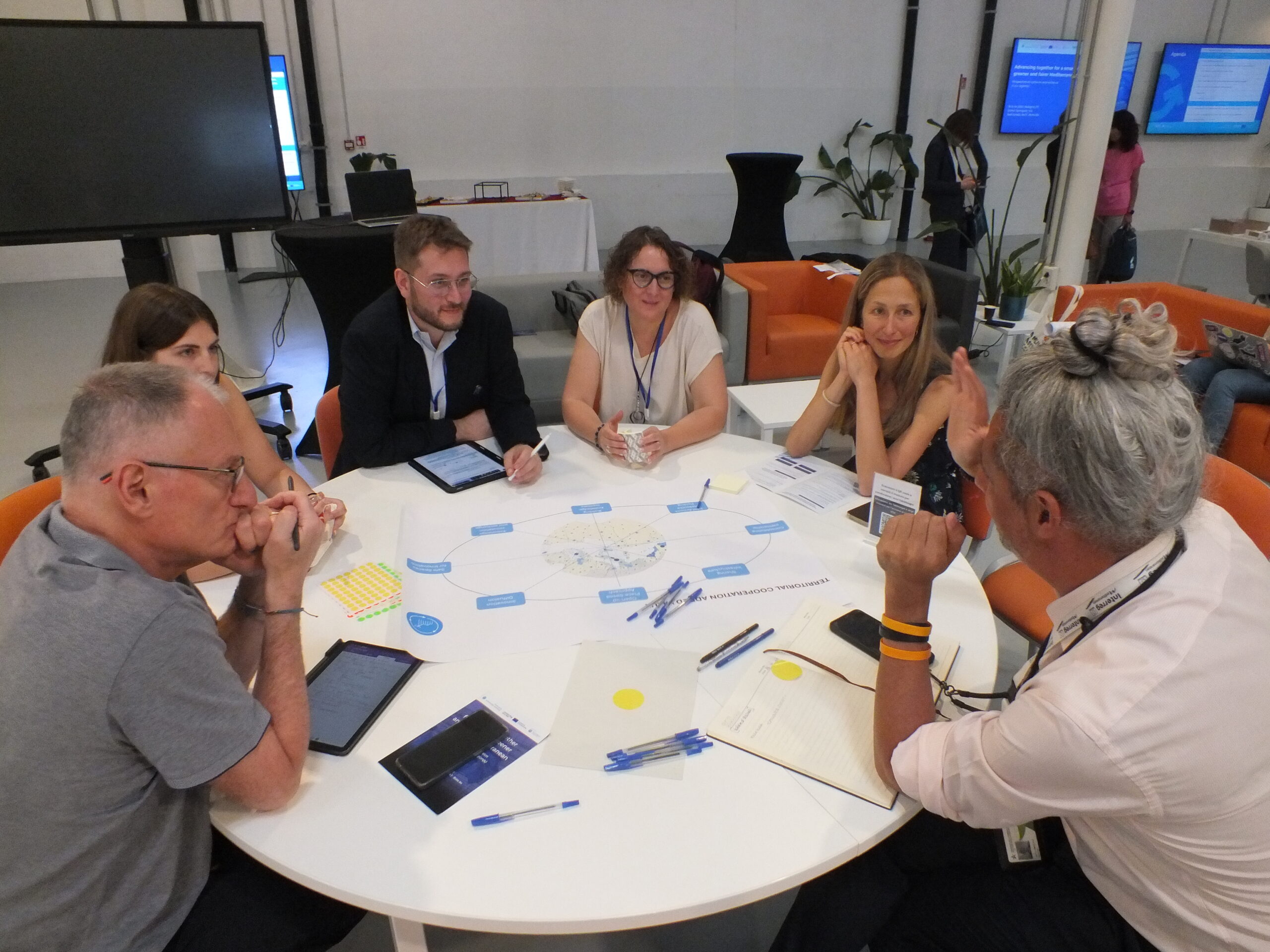
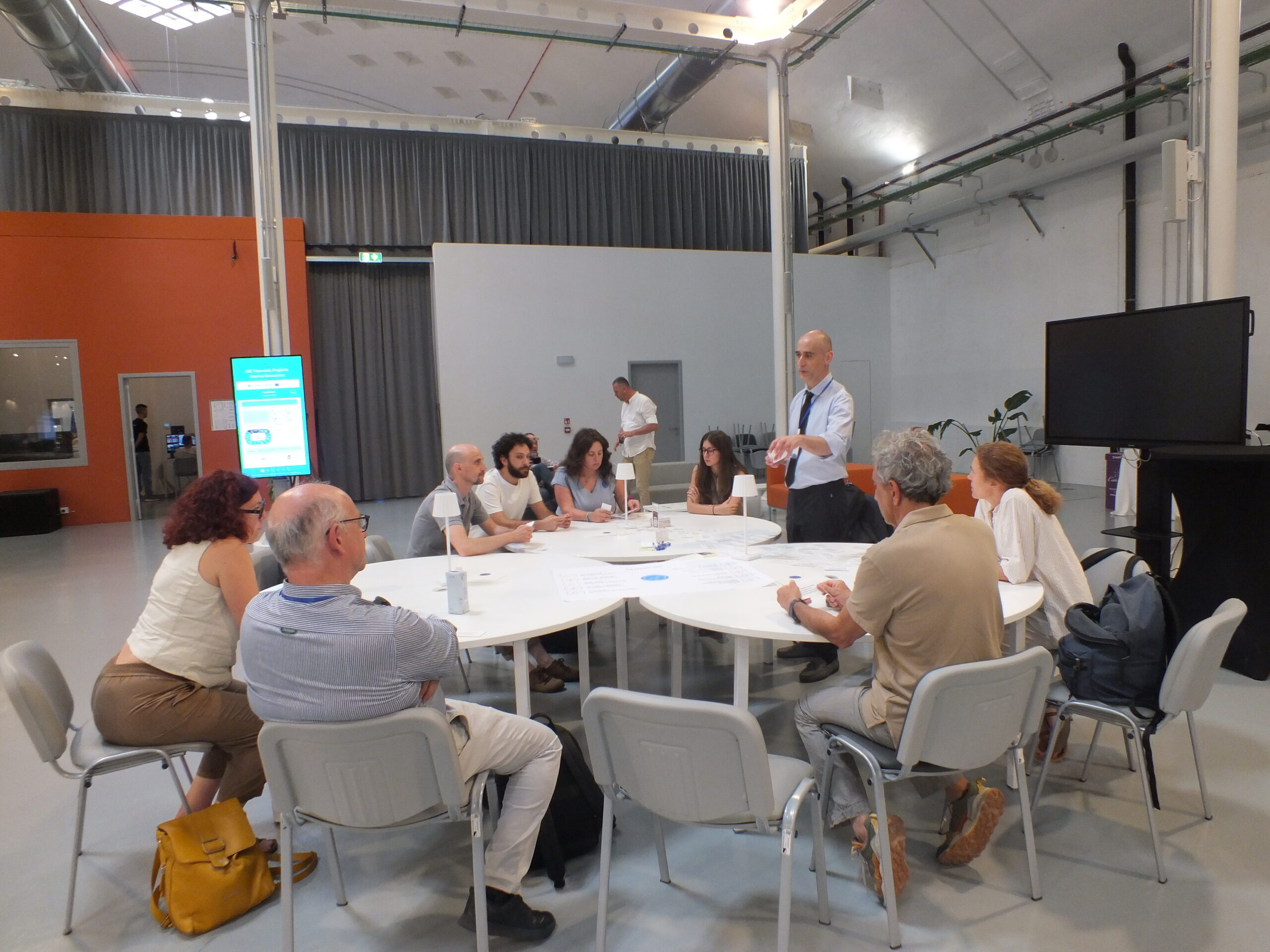
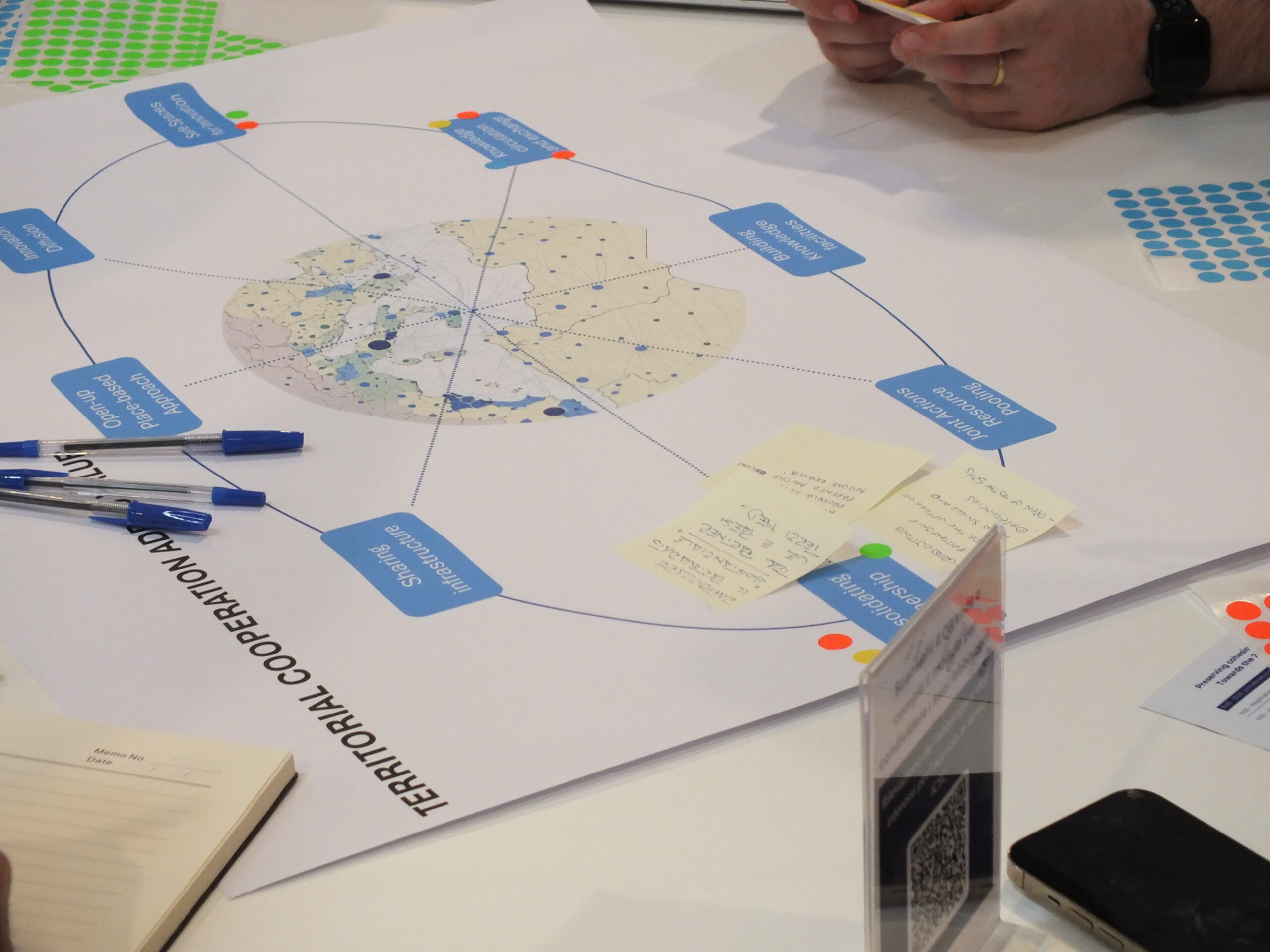
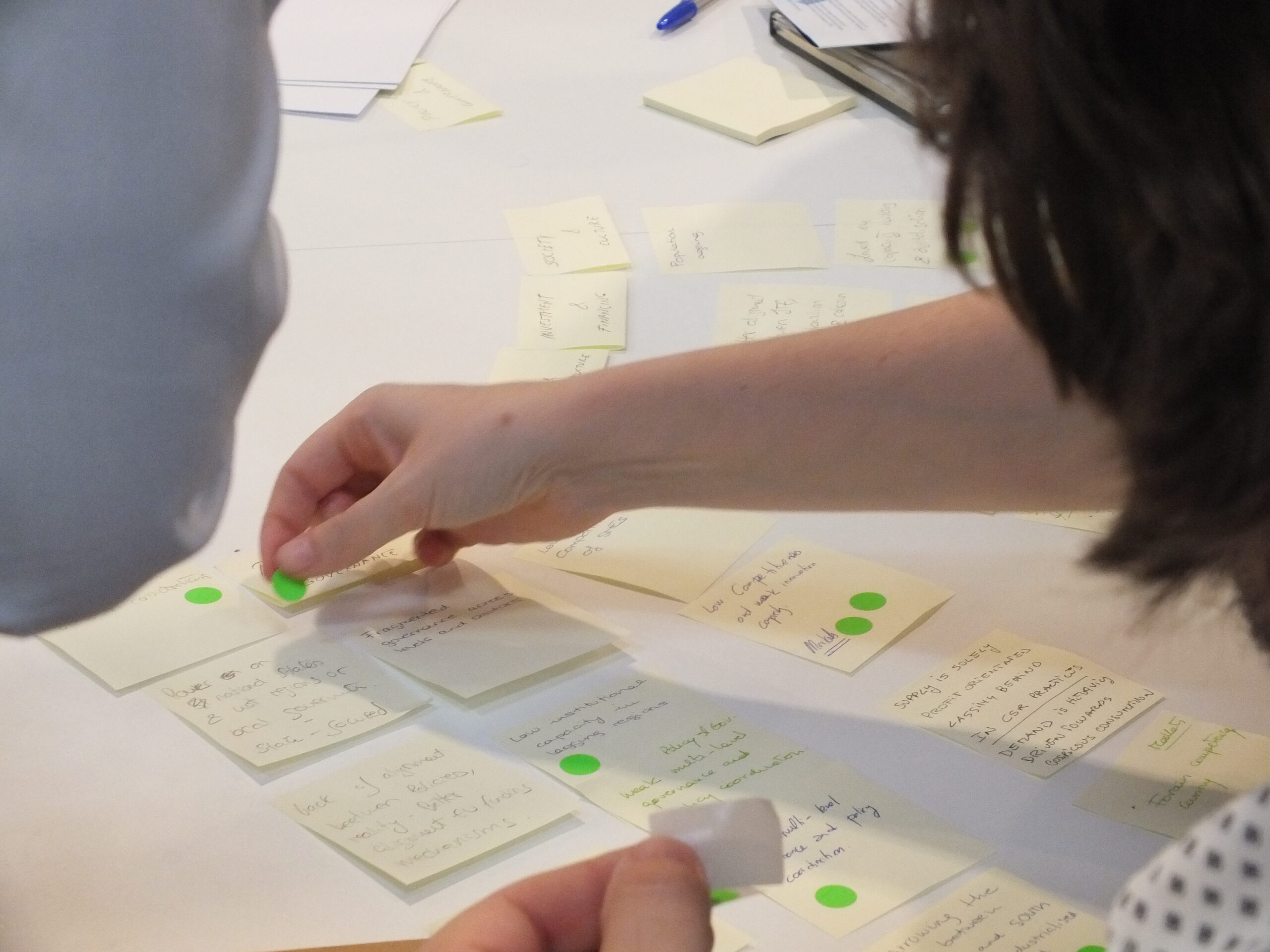
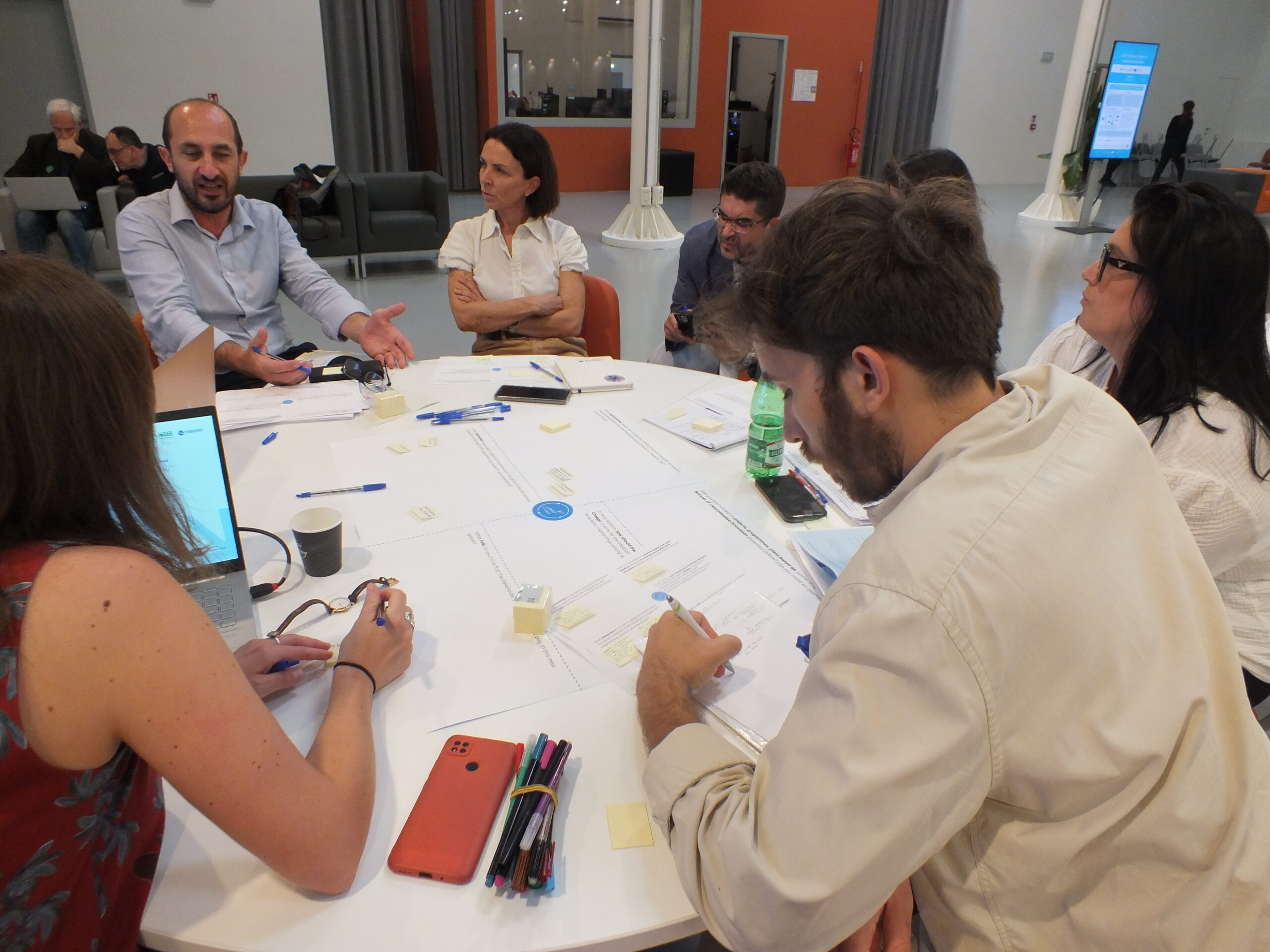
The afternoon session shifted from institutional dialogue to participatory exchange. Organised as a World Café, the workshop “Toward a shared vision for a smarter, greener and more inclusive Mediterranean in the 2028–2034 programming period” — convened by the Institutional Dialogue Project of the ISE Mission — brought participants to four thematic tables:
- the priorities and challenges for cohesion in Mediterranean territories;
- the governance implications of the proposed shift to National and Regional Partnership Plans;
- the contribution of transformative innovation to sustainable development;
- the added value of territorial cooperation.
Across the tables, several themes converged. Territorial ownership — of problem framing, strategy design and implementation — emerged as a precondition for effective policy, not a procedural requirement. Fragmentation, whether legislative or institutional, was consistently identified as the main obstacle to more coherent and responsive approaches. And cooperation was valued above all for what it builds over time: shared knowledge, and the capacity for mutual learning — assets that individual territories cannot generate alone.
The outcomes will contribute to the ISE Mission’s first Key Policy Paper.
The event was part of a two-day programmeorganised in collaboration with the CPMR Intermediterranean Commission, whose General Assembly took place in Bologna on 18–19 June. The second day focused on water resilience, bringingtogetherMediterraneanregionalrepresentatives for a dedicatedexchange on one of the most pressing shared challenges facing the region.
CHECK THE PRESENTATIONS AND MATERIALS
Your opinion matters: Did you attend the event? Please leave your feedback by filling out the form below. It will only take a few seconds, but it will help us to organise the next event more effectively.