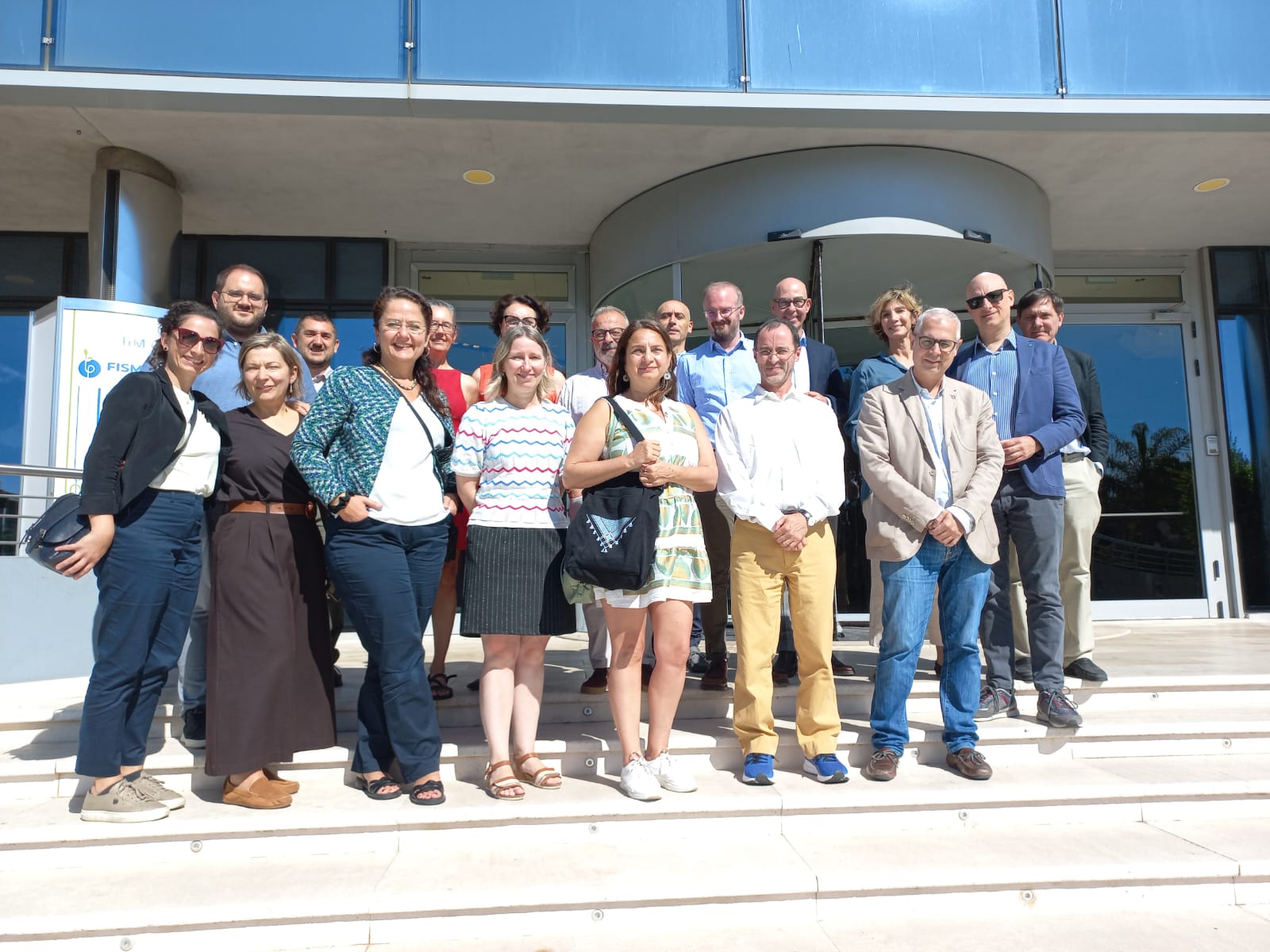
The Emilia-Romagna Region, lead stakeholder of MedCoopNet — the ESPON targeted analysis mapping EU-funded cooperation projects across the Mediterranean — was invited to present the results of the study at the annual meeting of MedLab, held in Cagliari on 1–2 October.
MedLab is a platform for sharing and transferring knowledge in the Mediterranean area, working to improve synergies and complementarities across Interreg programmes and other EU funds operating in the region, with the aim of increasing their impact on the ground. It is coordinated by Interact together with TESIM, with the participation of DG REGIO of the European Commission and 17 Interreg Programmes in the Mediterranean basin.
The project’s results generated particular interest as a tool for gaining a broader picture of international cooperation projects across the wider Mediterranean area, beyond the Interreg programmes. MedCoopNet mapped more than 44,000 projects since 2014, with more than 90% funded by programmes other than Interreg — primarily Erasmus+ and Horizon. The study provides both a geographical and a semantic representation of cooperation networks, classifying projects by thematic field across 80 topics and mapping more than 50,000 partner organisations according to institutional category and geographic location down to the NUTS-3 level.
Participants appreciated the flexibility of the tool, and especially the online dashboard, which allows data to be filtered and downloaded across different dimensions, while the full database is available through the ESPON data portal. It offers an unprecedented evidence base for understanding how cooperation actually works in the region, with a new focus on the actors involved and on comparing patterns in Interreg with those in other funding programmes such as Horizon, Erasmus+, Creative Europe, LIFE and the EMFAF
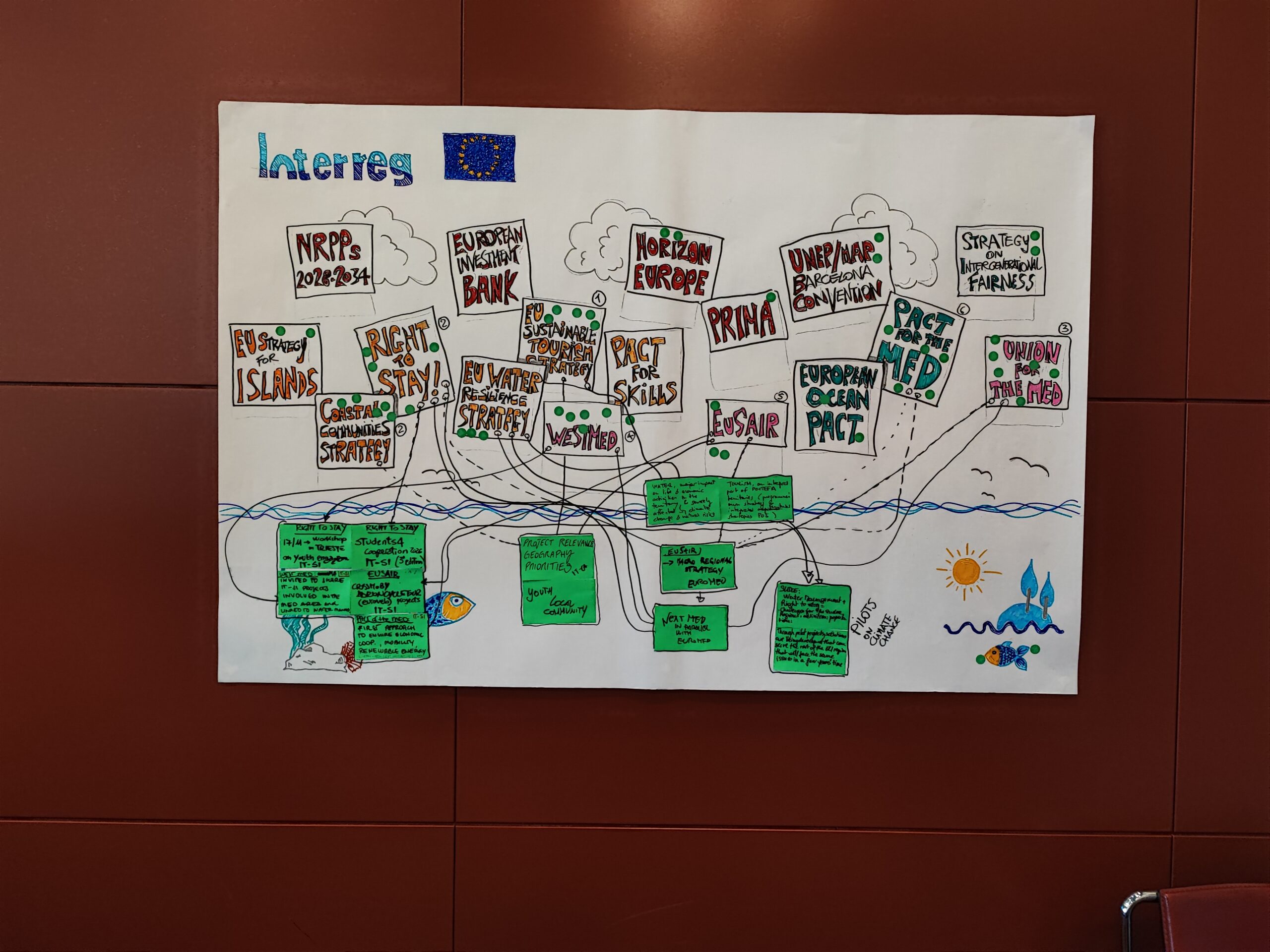
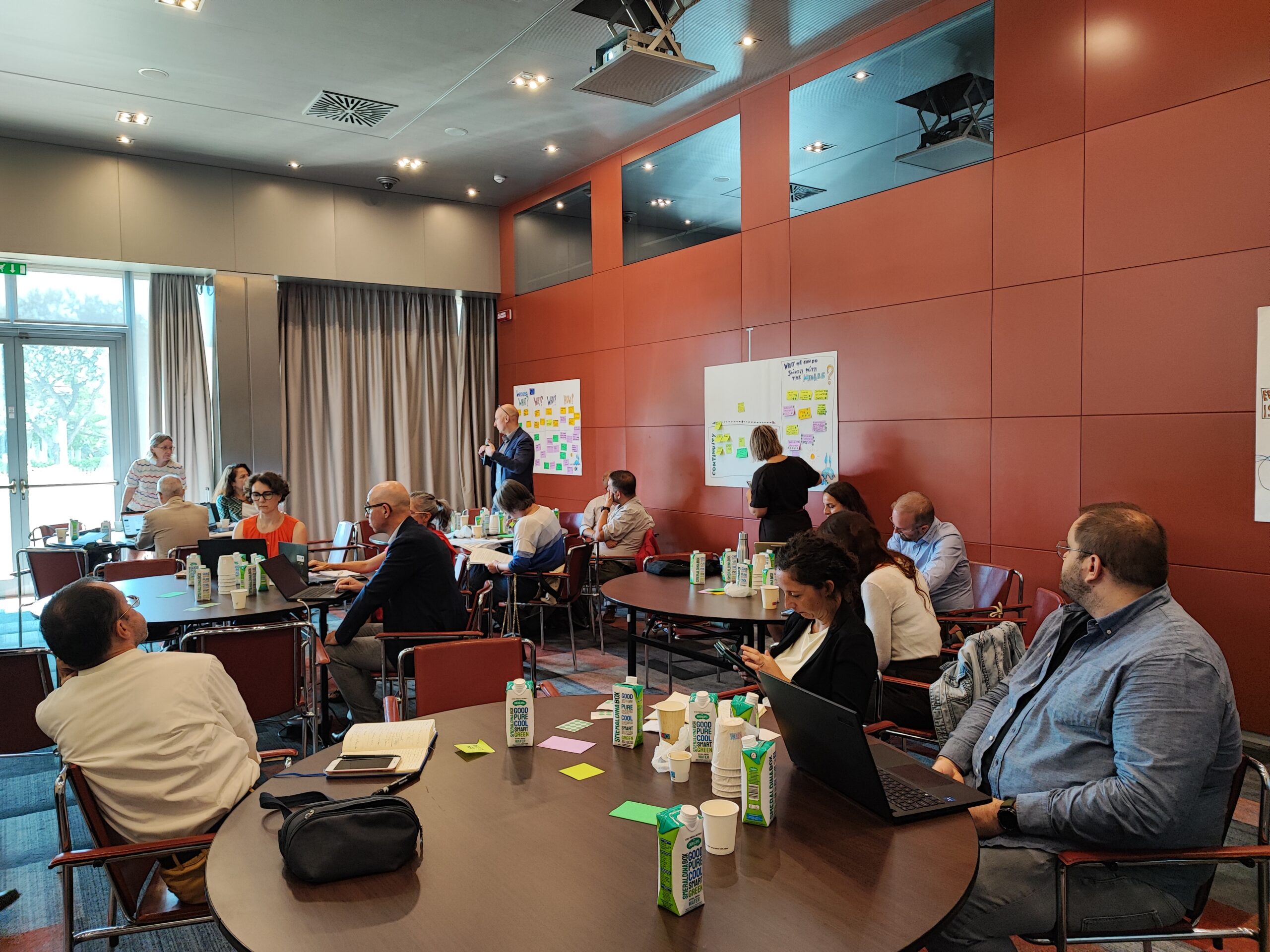
Discussion also turned to the policy analysis included in the MedCoopNet final report, which finds a positive correlation between participation in Interreg projects in 2014–2020 and the emergence of newcomers — organisations funded for the first time — in Horizon Europe, with the effect most visible in transition and less developed regions.
The meeting confirmed the relevance of the study for stakeholders beyond those directly involved in it, in particular for work on synergies across funding programmes and initiatives in the Mediterranean, with a view to the 2028–2034 programming period.
MedCoopNet proposal was born within the Interreg Euro-MED Innovative Sustainable Economy Governance Projects which are also further promoting the analysis and the use of the new available evidence and will ensure the update of data in the coming years.