Developing a sufficiency-based Mediterranean economy
Innovation Camps are the moments when the Innovative Sustainable Economy (ISE) Mission community sits down together around a shared challenge. They are an occasion to learn, to find points of contact between work that is usually carried out separately, and to look at one’s own projects from another angle.
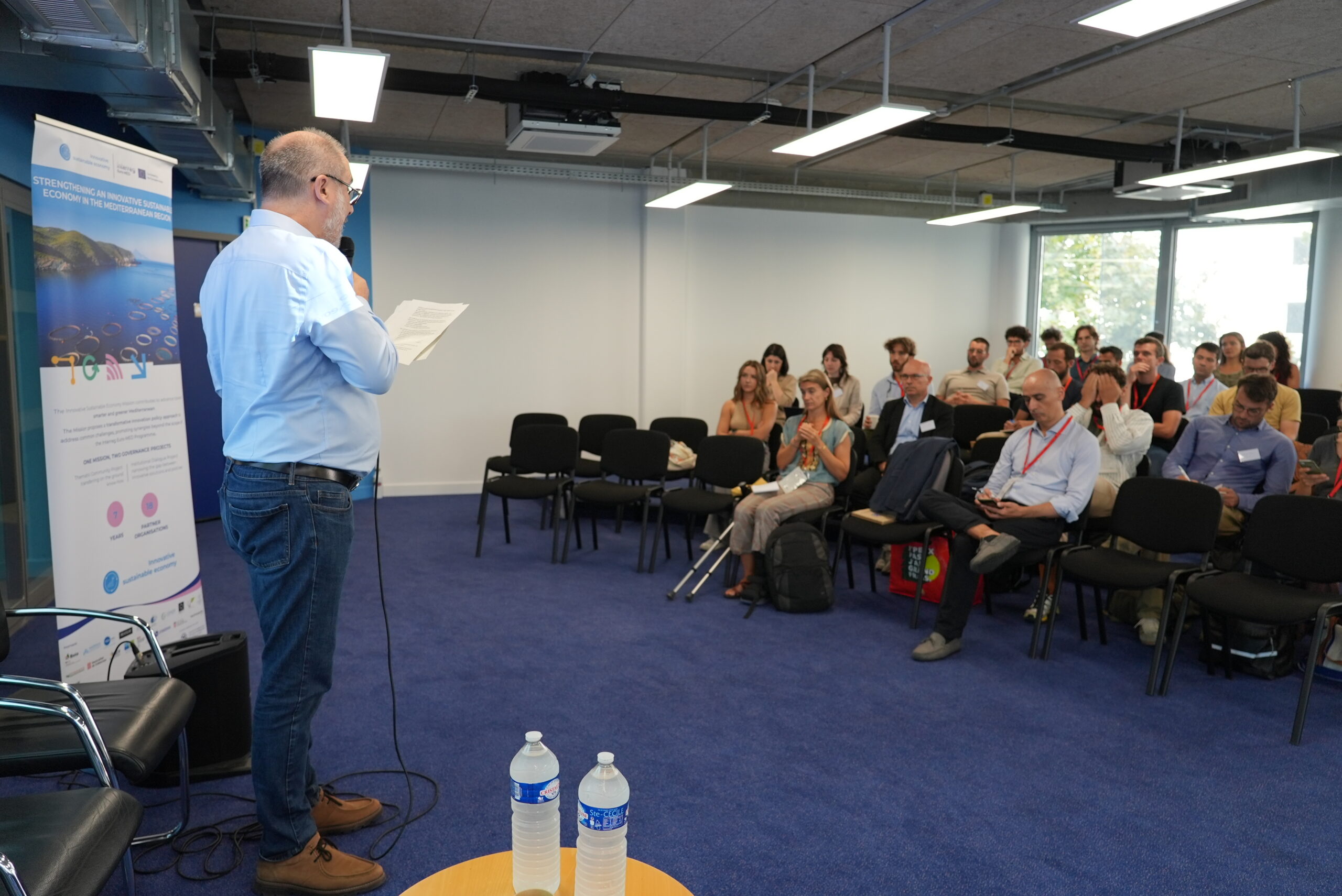
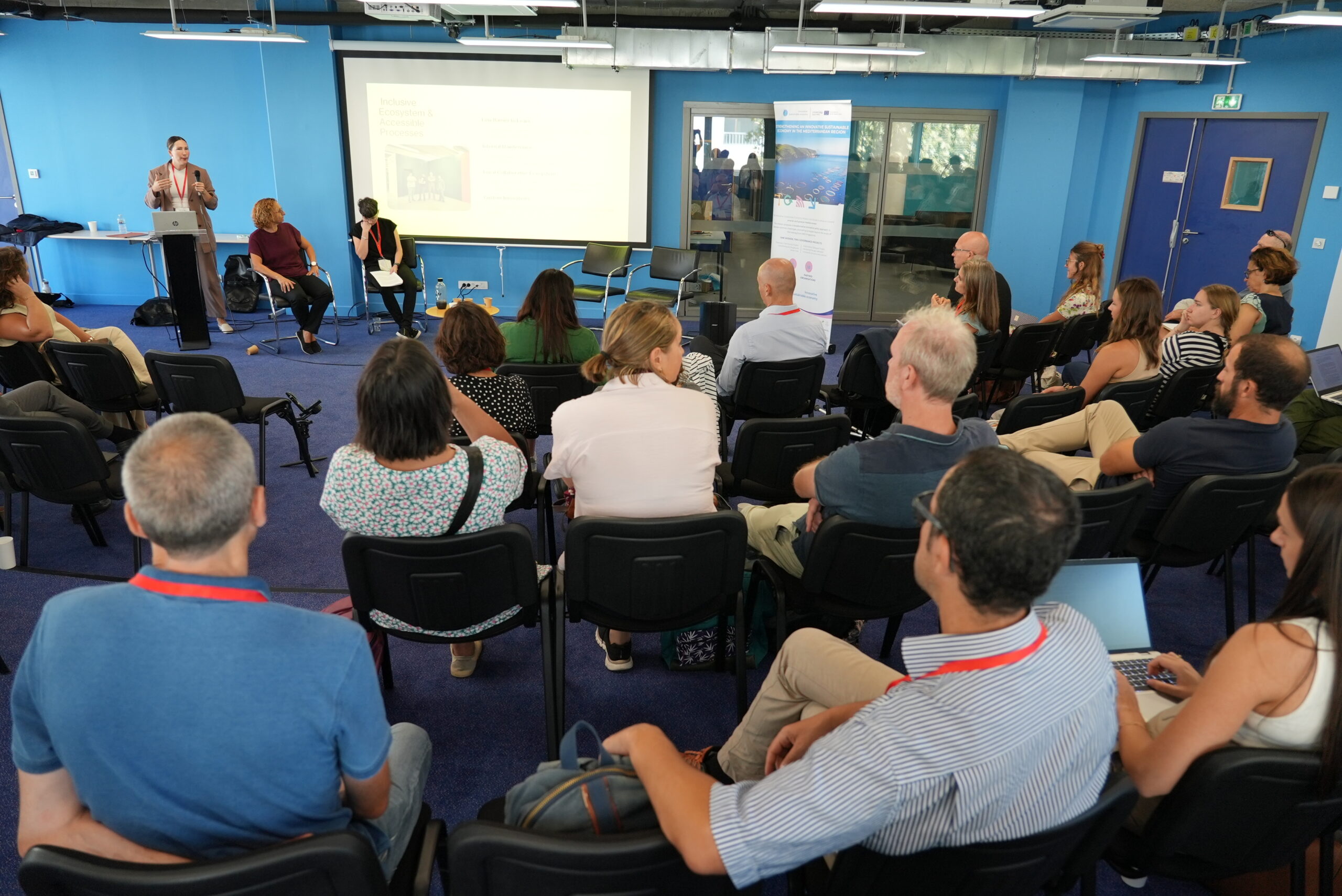
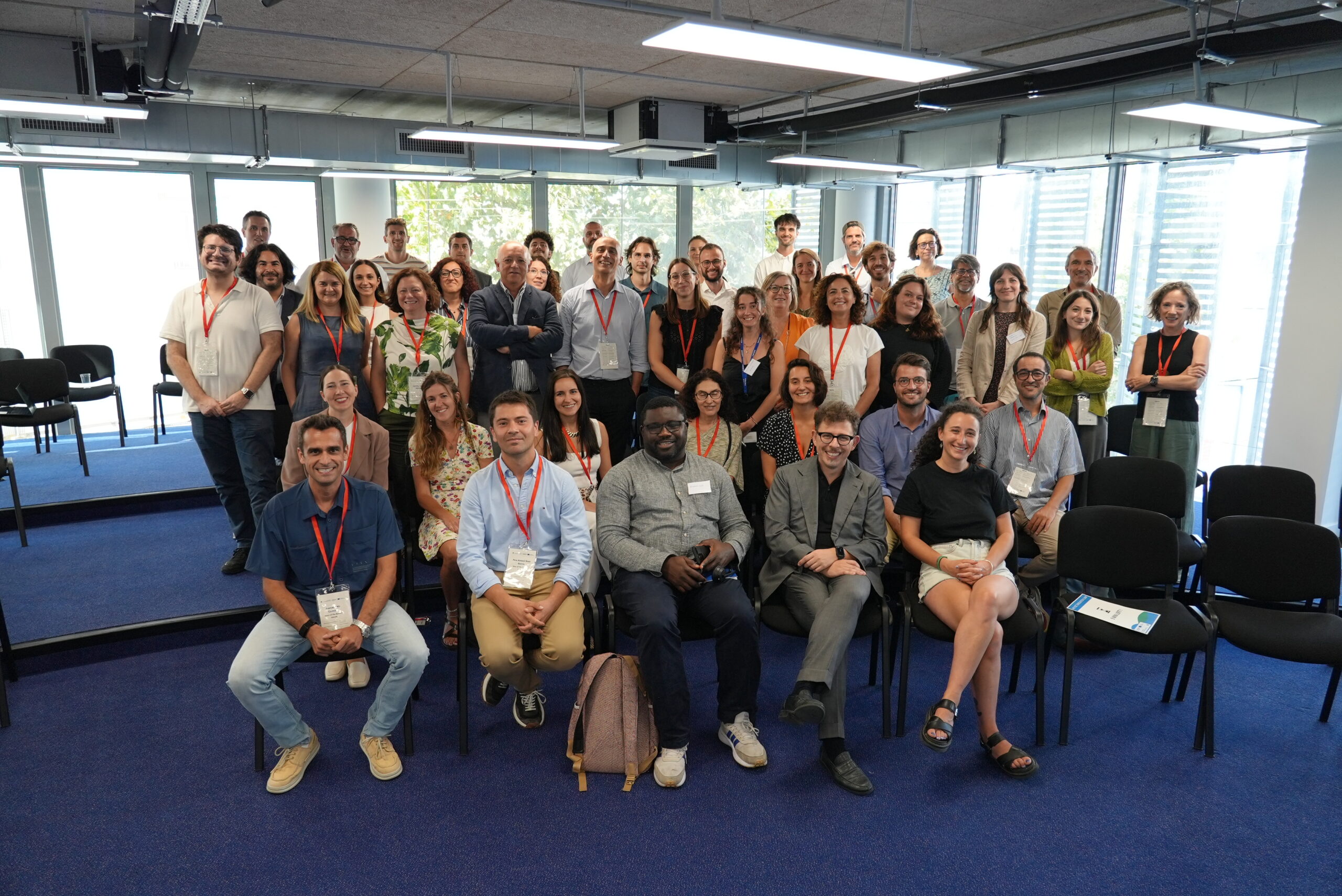
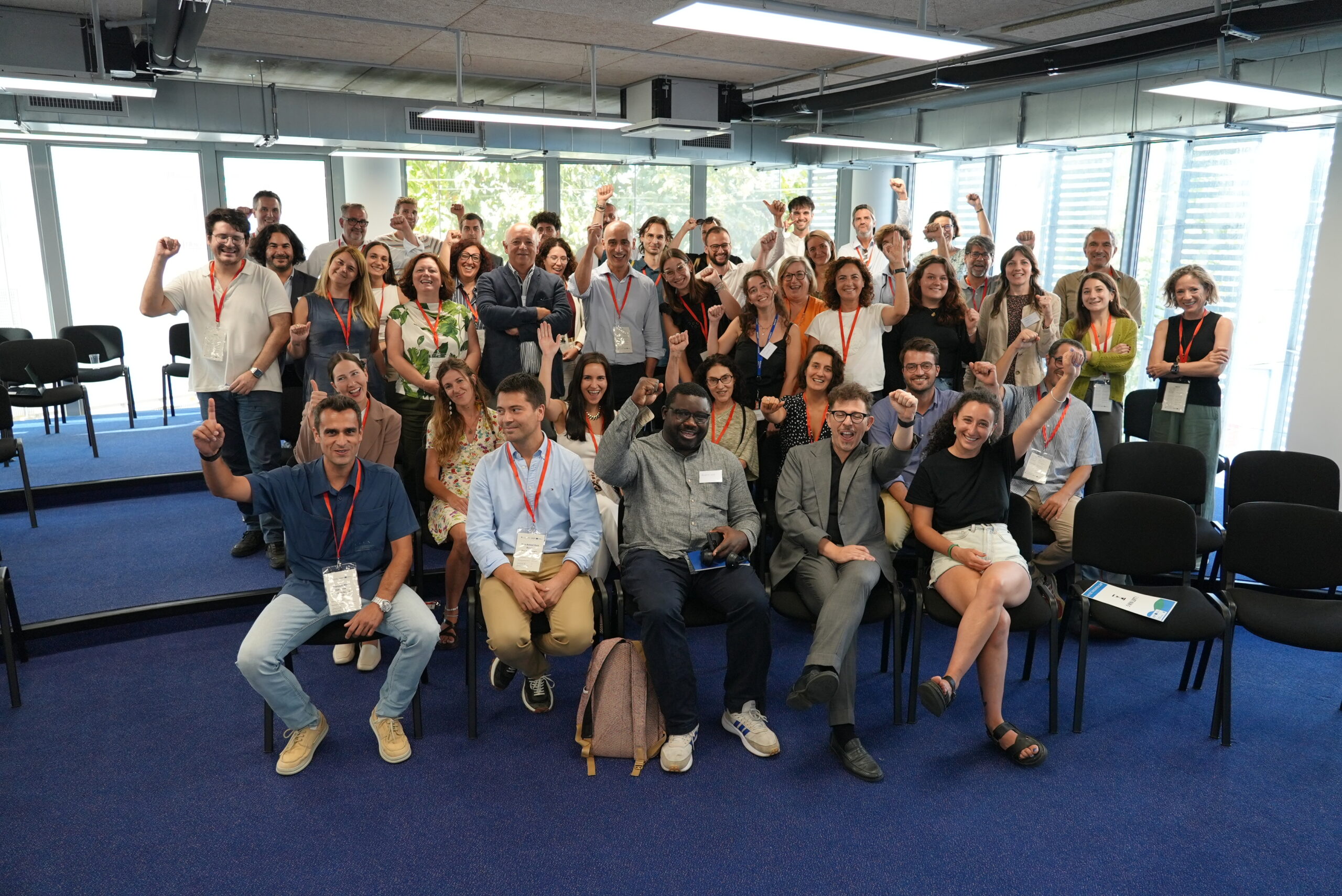
The fourth edition took place at Campus Biaggi in Marseille on 16–17 September 2026, and focused on sufficiency as its subject — considering it as a transversal and systemic approach. It was organised by ADEME with the support of the Mission’s governance projects, and co-organised with the Interreg Marittimo Co-Effect project. Over 100 participants took part across the two days: regional and local authorities, research organisations, businesses and associations, and partners of cooperation projects from across the Mediterranean.
Recent crises have exposed how much European economies depend on critical raw materials, energy imports and international supply chains. The first day explored what a sufficiency-based economy would require, and the forms it is already taking in cities, businesses and Mediterranean projects.
Defining sufficiency
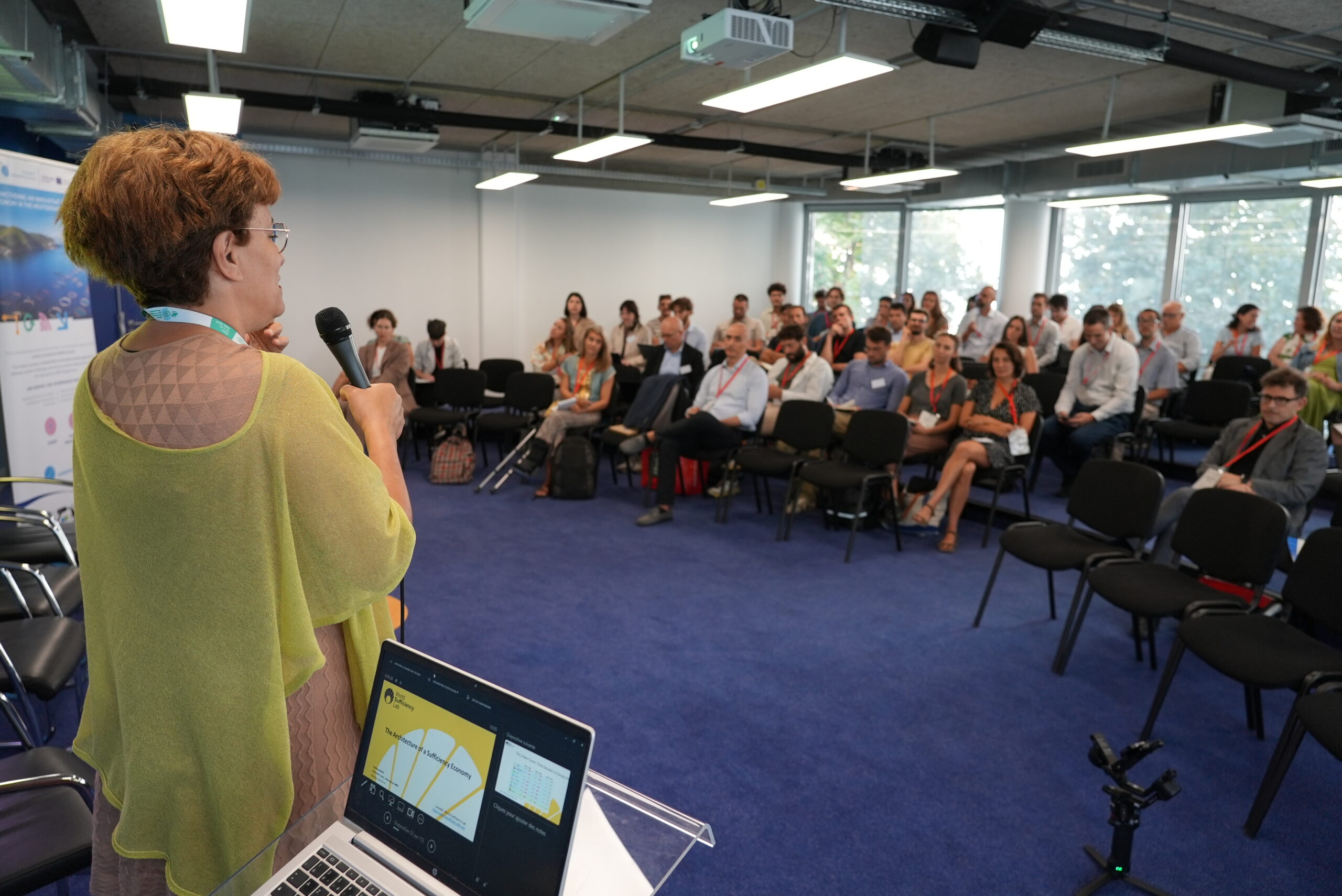
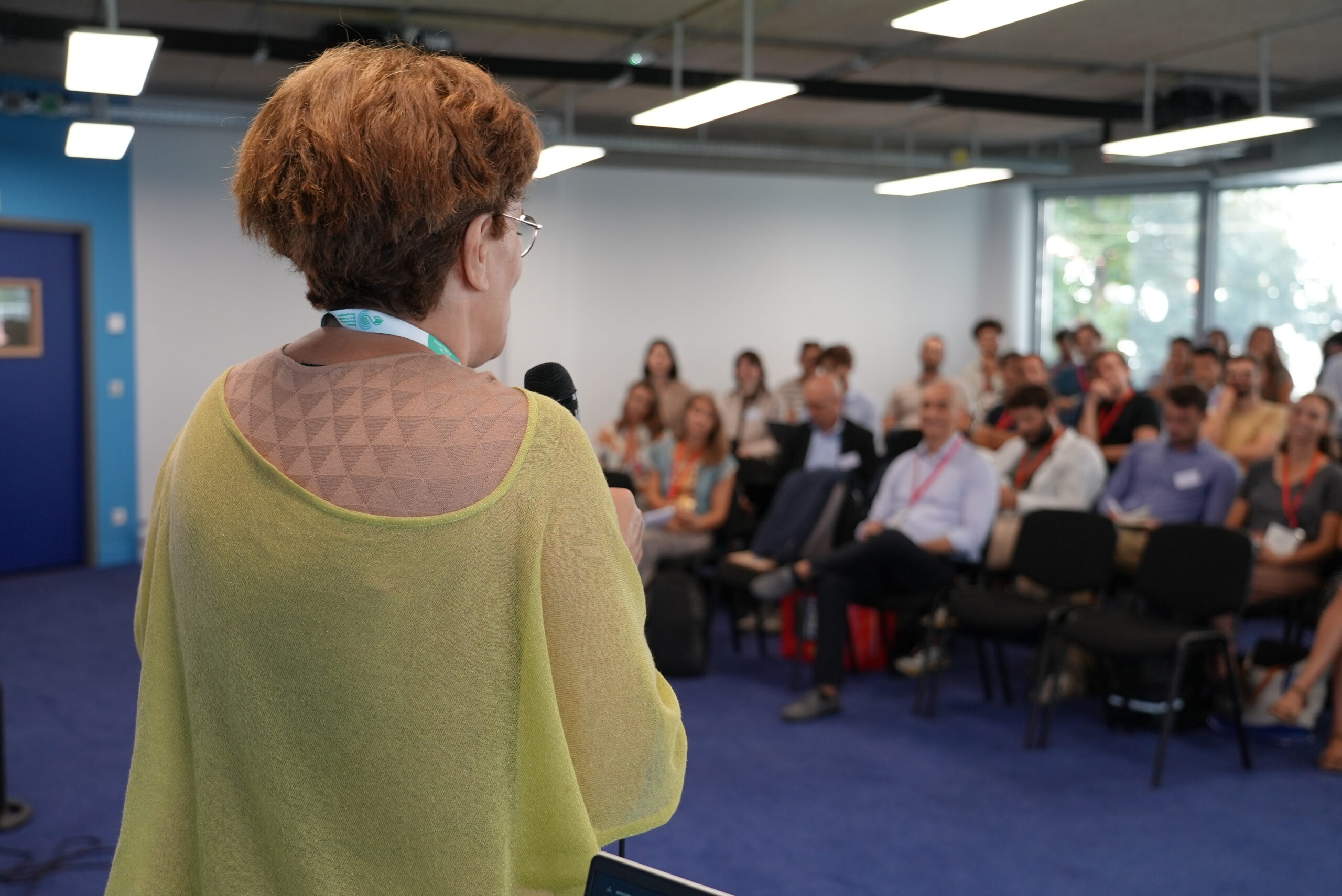
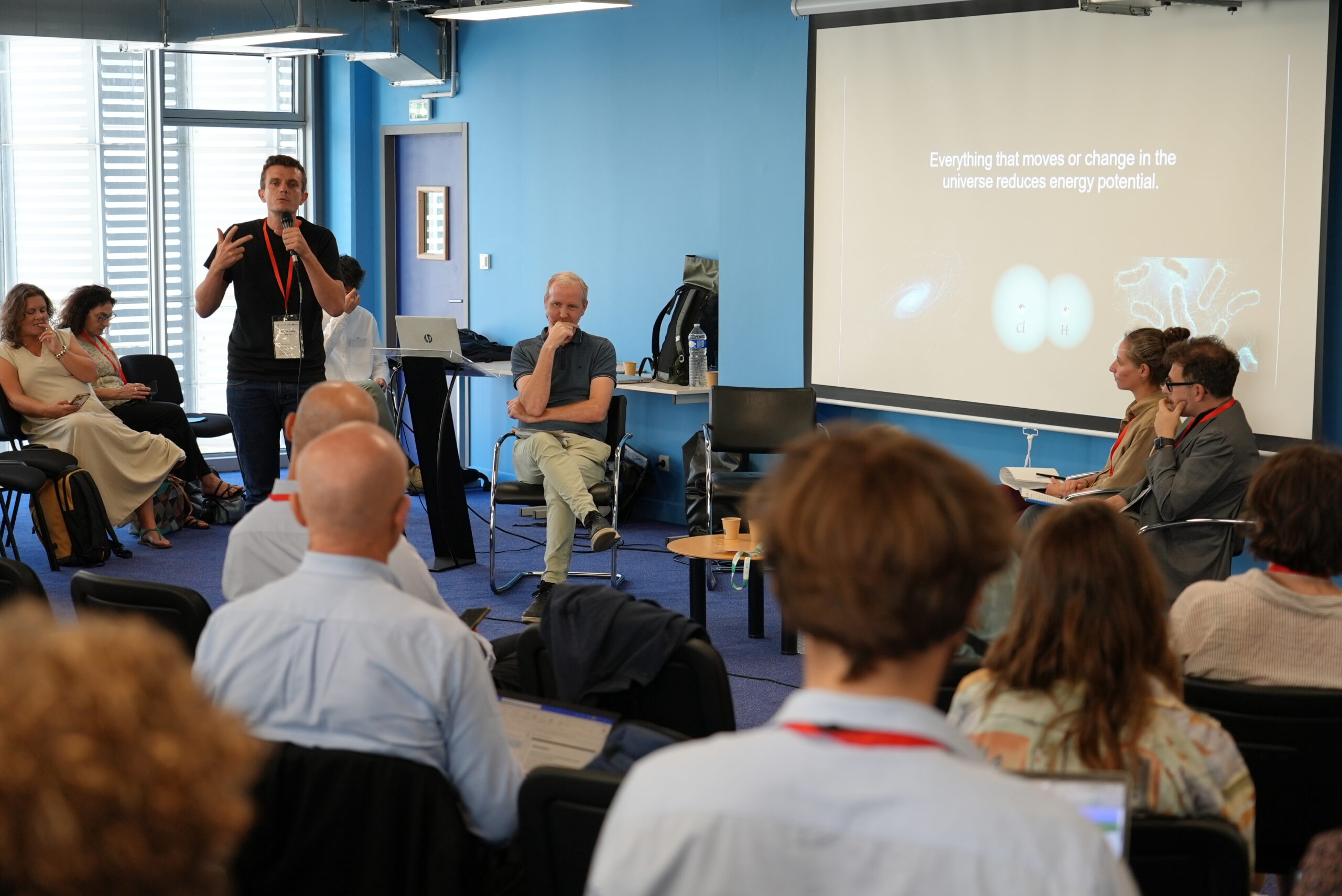
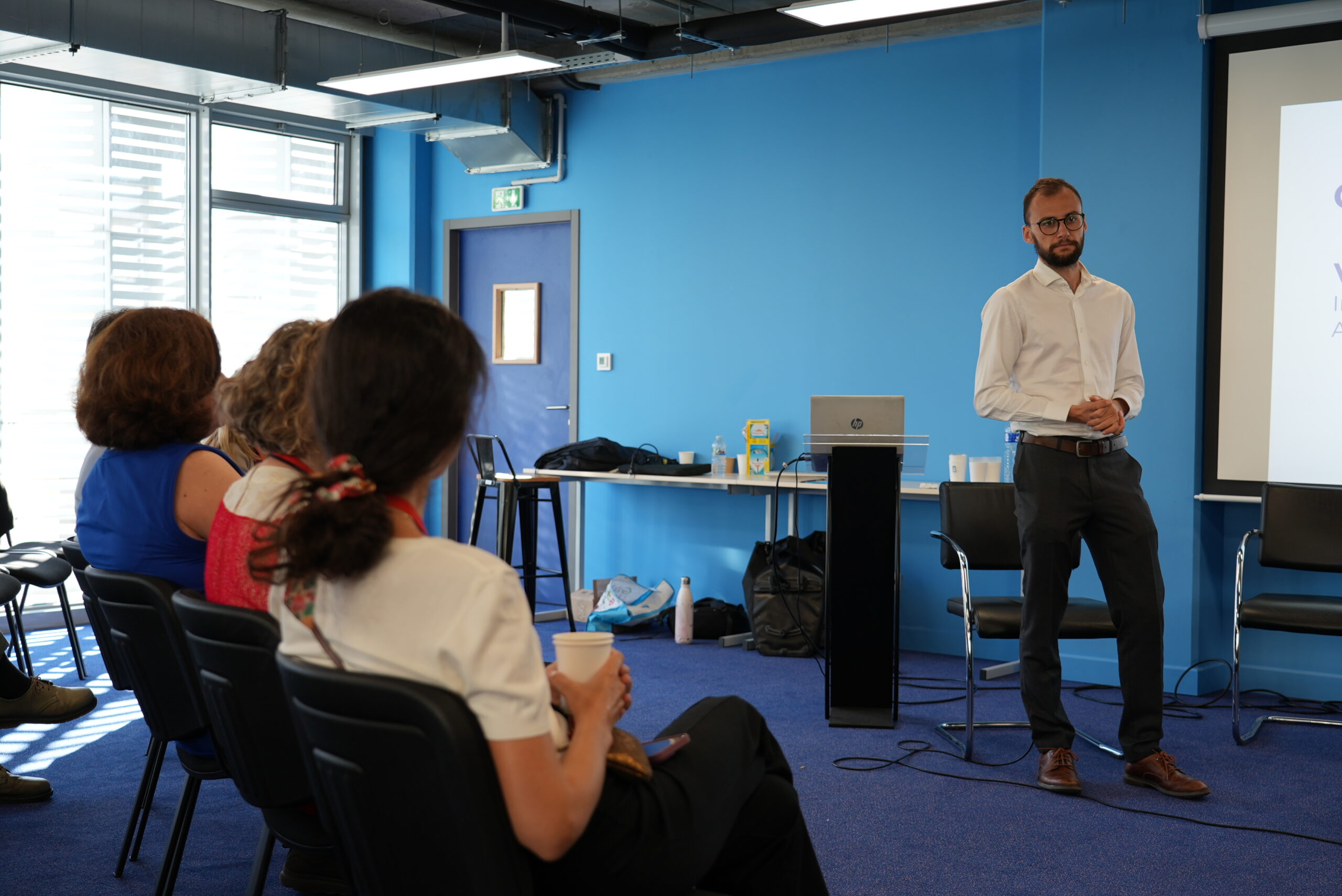
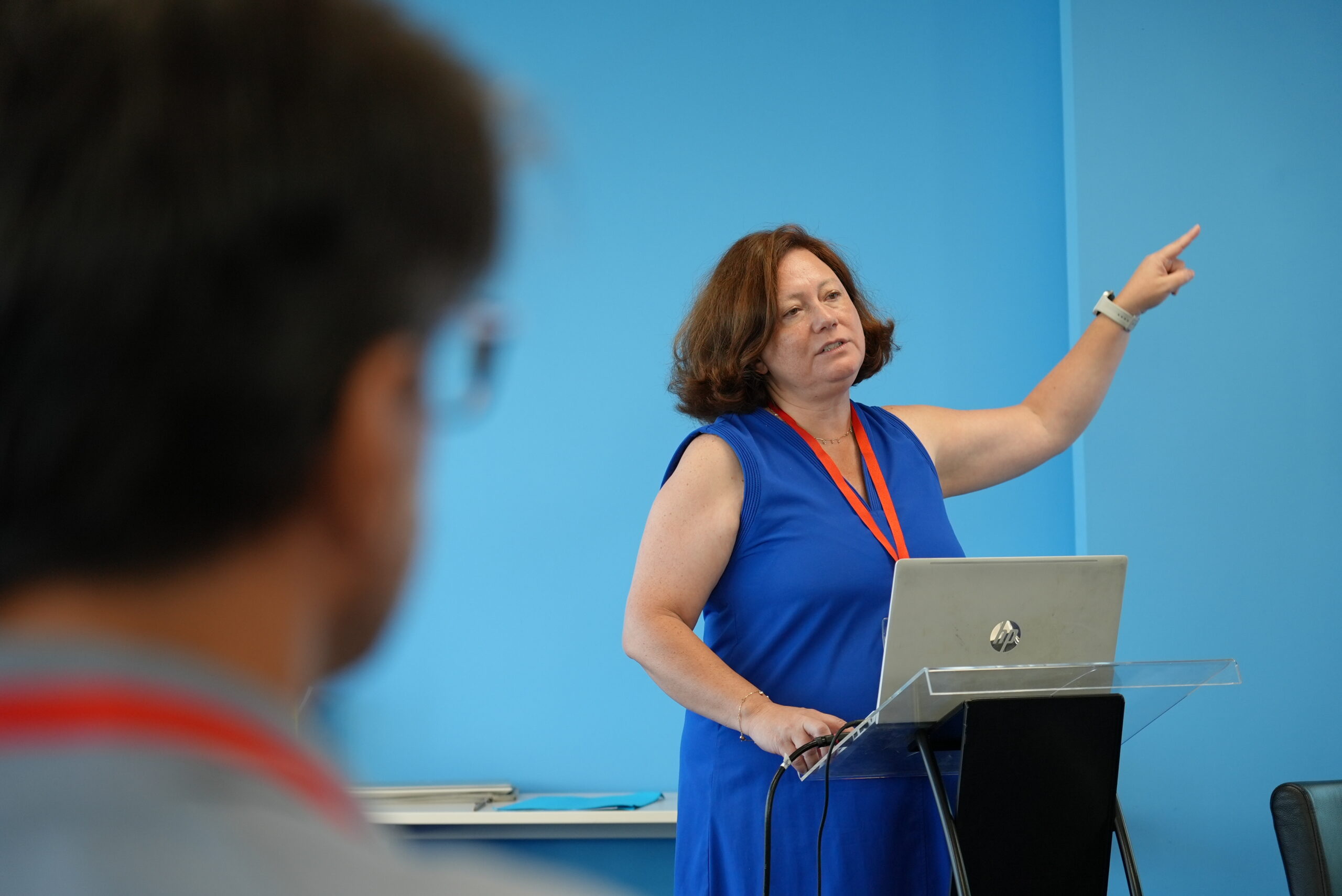
The opening keynote was delivered by Yamina Saheb, lead author of the IPCC report on climate change mitigation and co-founder of the World Sufficiency Lab. Her starting point was that the threshold set by the Paris Agreement will be passed soon, and that we are entering a period of climate overshoot. Acting on this urgently, she argued, is not possible without sufficiency: planetary boundaries cannot be respected through energy efficiency and renewables alone.
Sufficiency, in her presentation, is primarily a matter of policy and daily practices — a collective effort built through policy making — and it concerns all natural resources. Its main purpose is to ensure wellbeing for all within the planetary boundaries.
The distinction she drew with efficiency lies in where each of them acts. Efficiency works on existing demand, making it lighter, while renewable energy changes the source but not the demand itself. Sufficiency is about exiting that demand — avoiding it at the source.
Sufficiency in practice
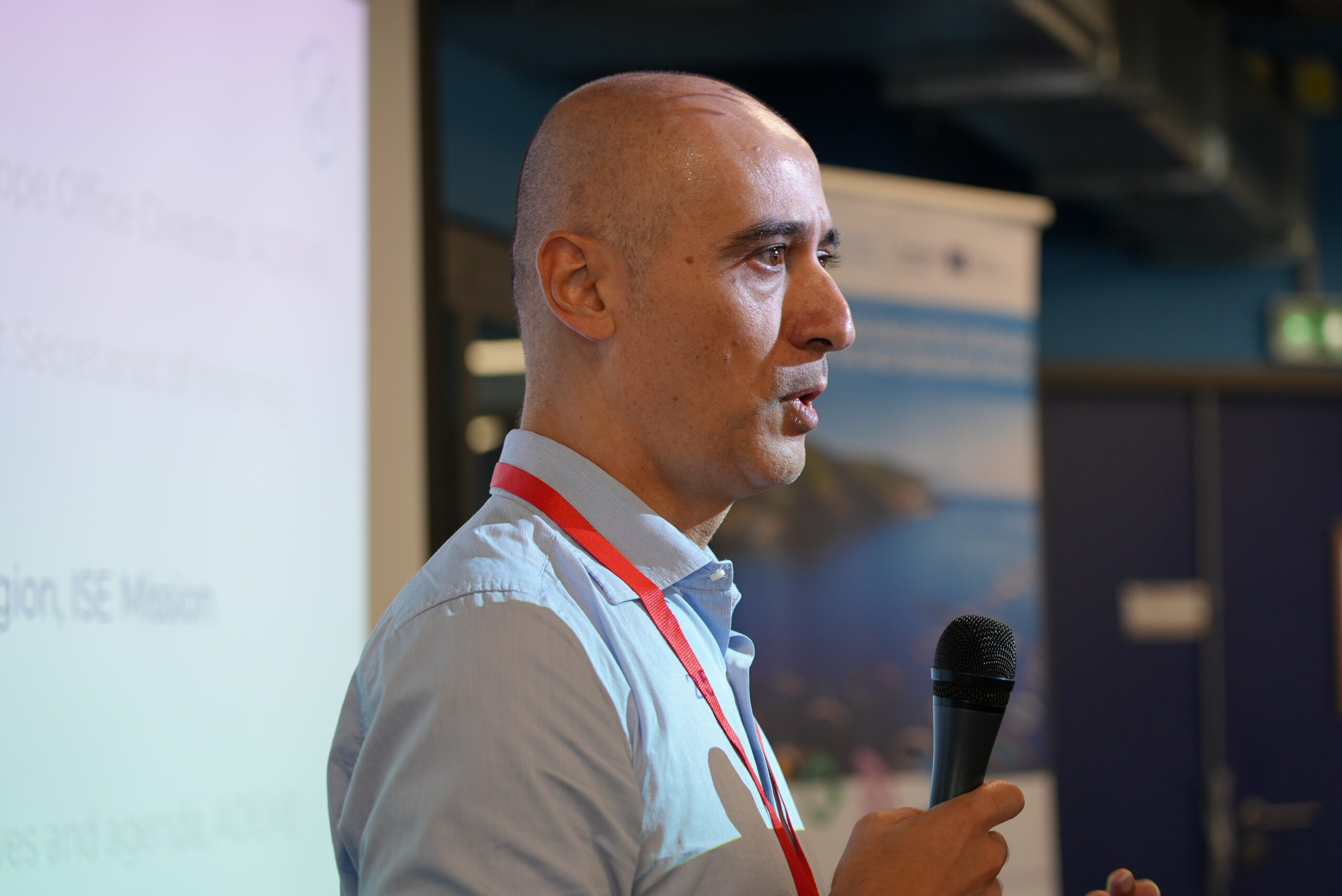
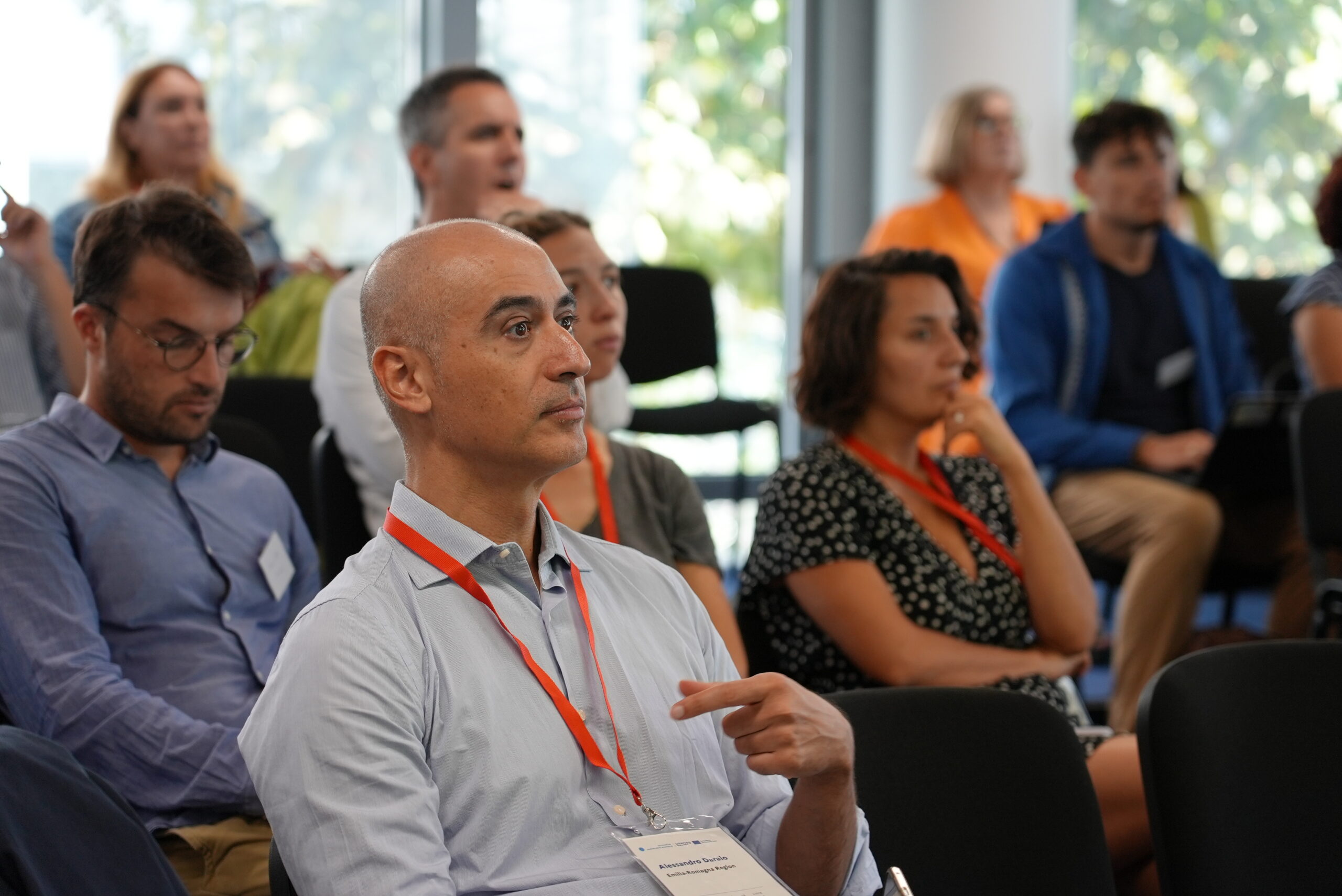
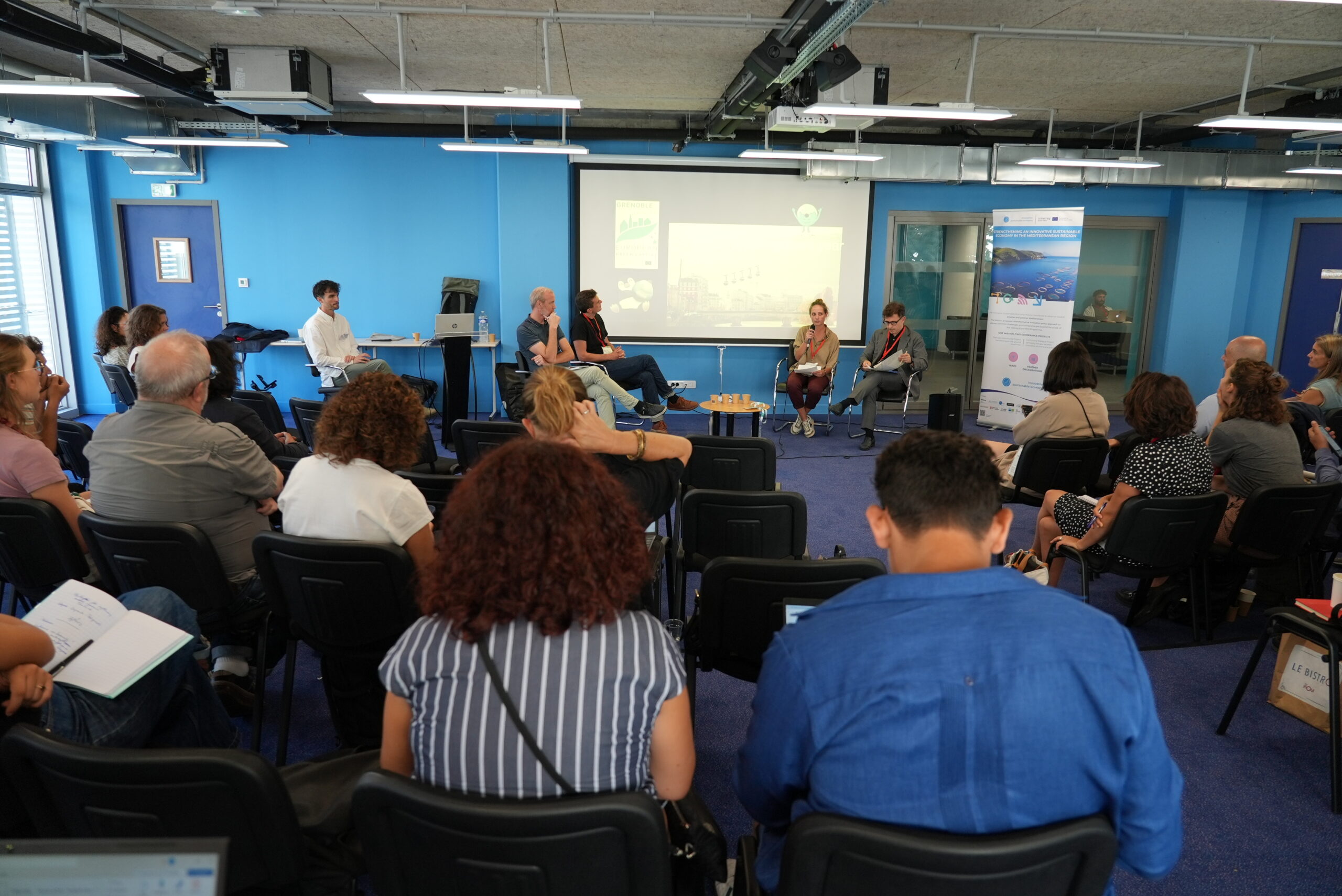
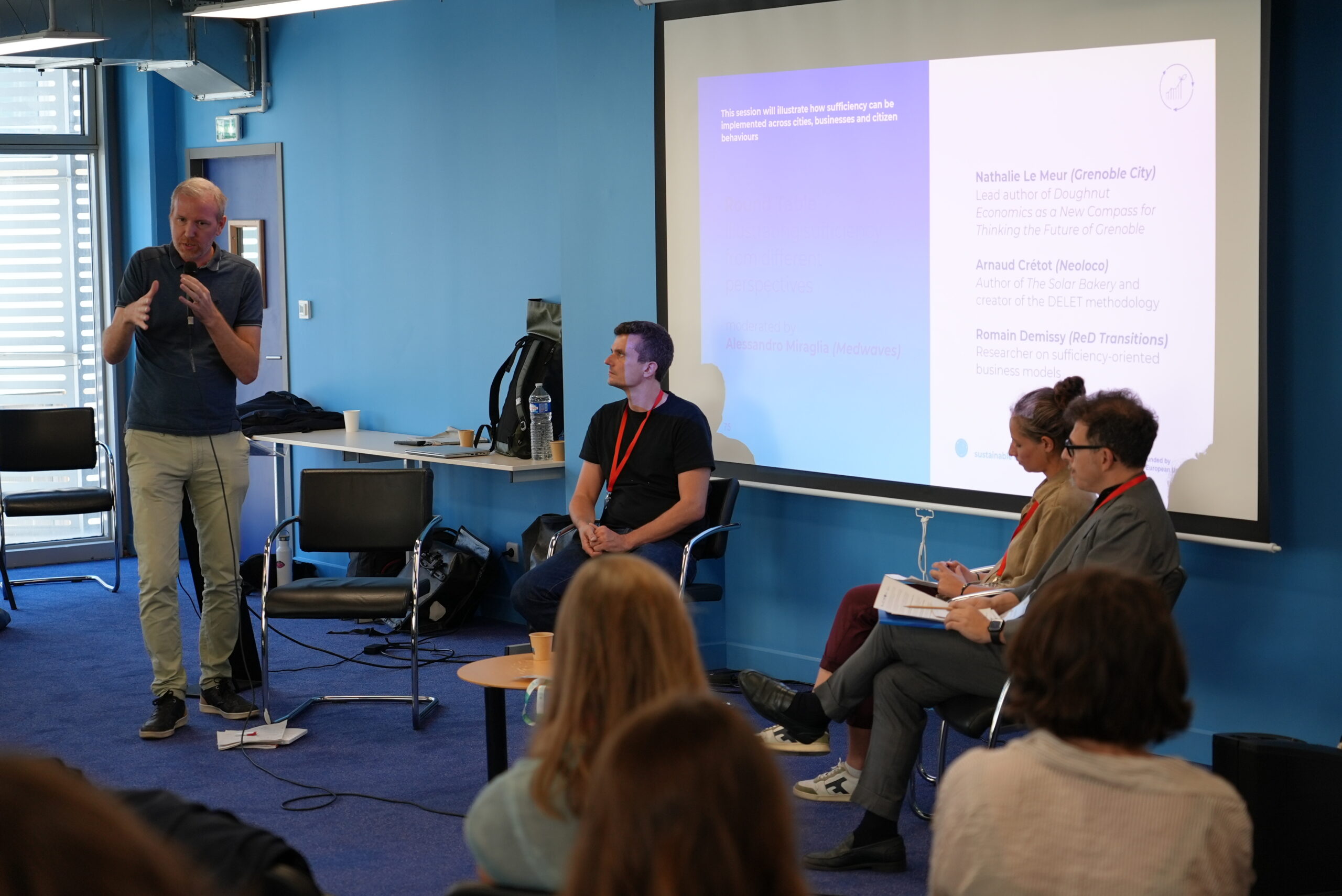
A round table moderated by Alessandro Miraglia (MedWaves) illustrated how these principles translate into practice at different scales.
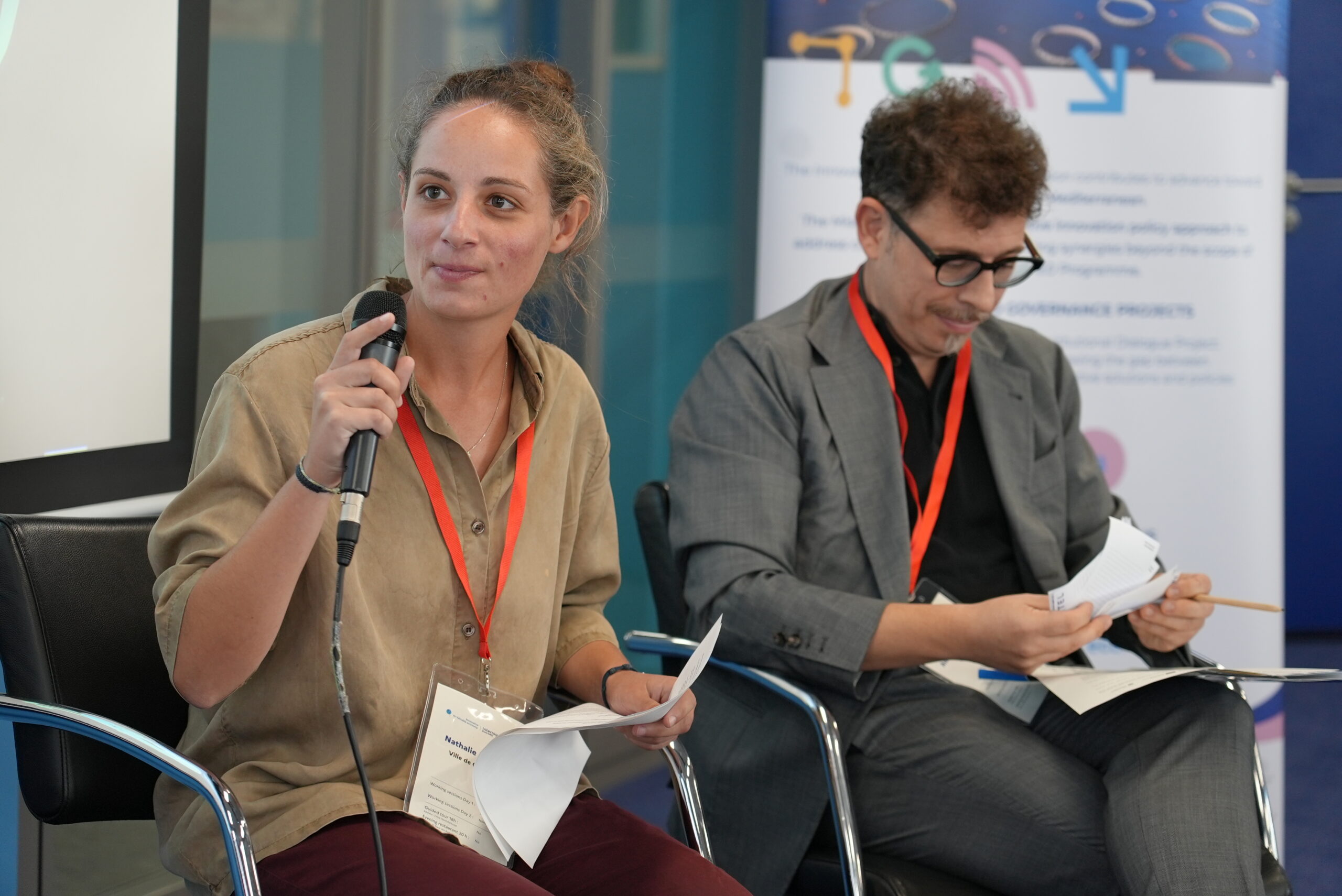
Nathalie Le Meur presented the City of Grenoble’s use of Doughnut Economics as a framework for its environmental transition, combining a data portrait of the city, a mapping of political strategies, an environmental and social analysis grid and a mediation tool with citizens. Its energy efficiency task force reported 9 GWh and one million euros saved in 2023, with 850 civil servants trained across 65 public buildings.
Arnaud Crétot (Neoloco), author of The Solar Bakery, presented the DELET methodology — Deferred Essential Loads Executed Timely. It is built on the observation that access to energy and resources varies over time, and it provides a framework for organisations to adapt their activities to that variability rather than assuming constant availability. Romain Demissy (ReD Transitions) addressed sufficiency-oriented business models from a research perspective.
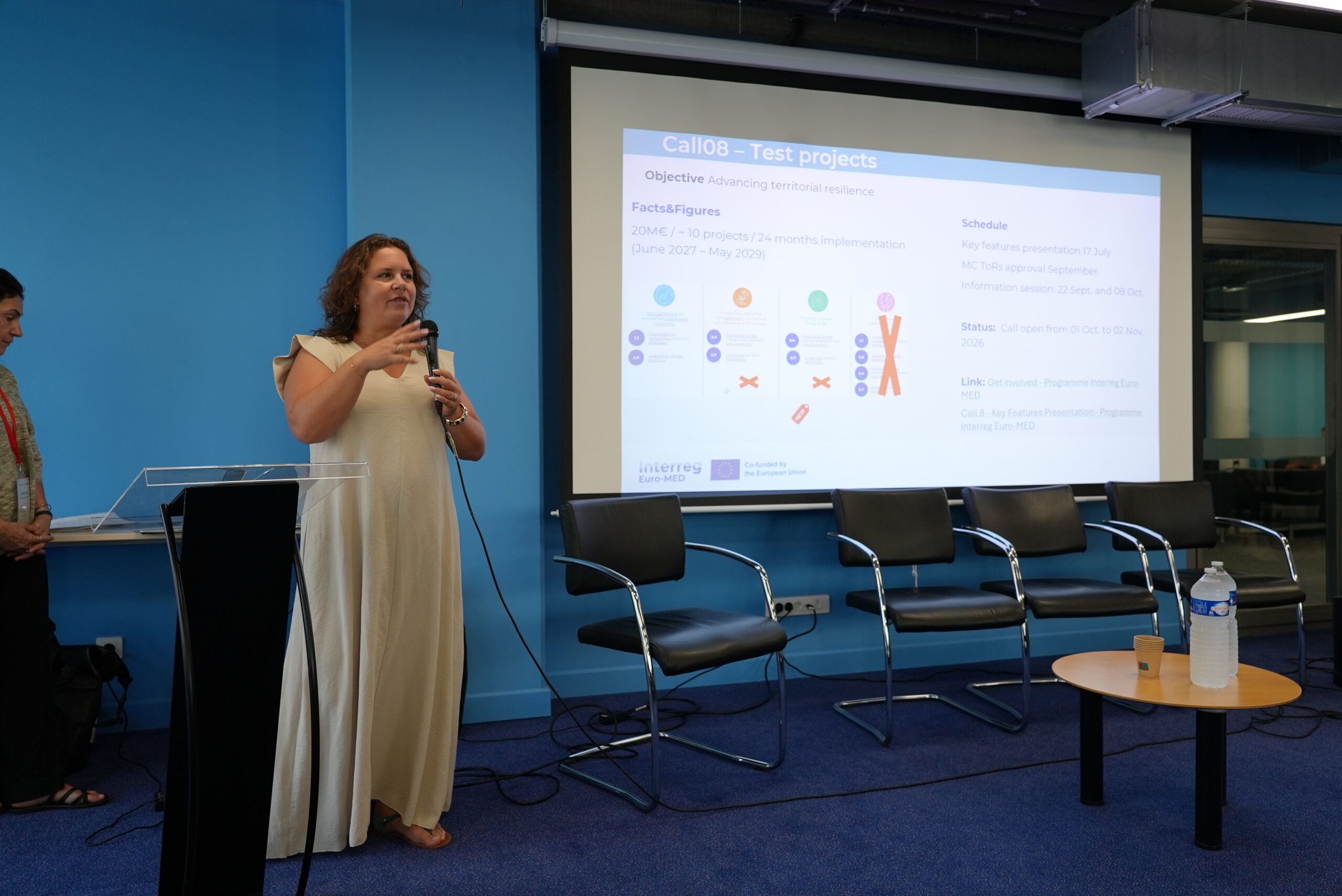
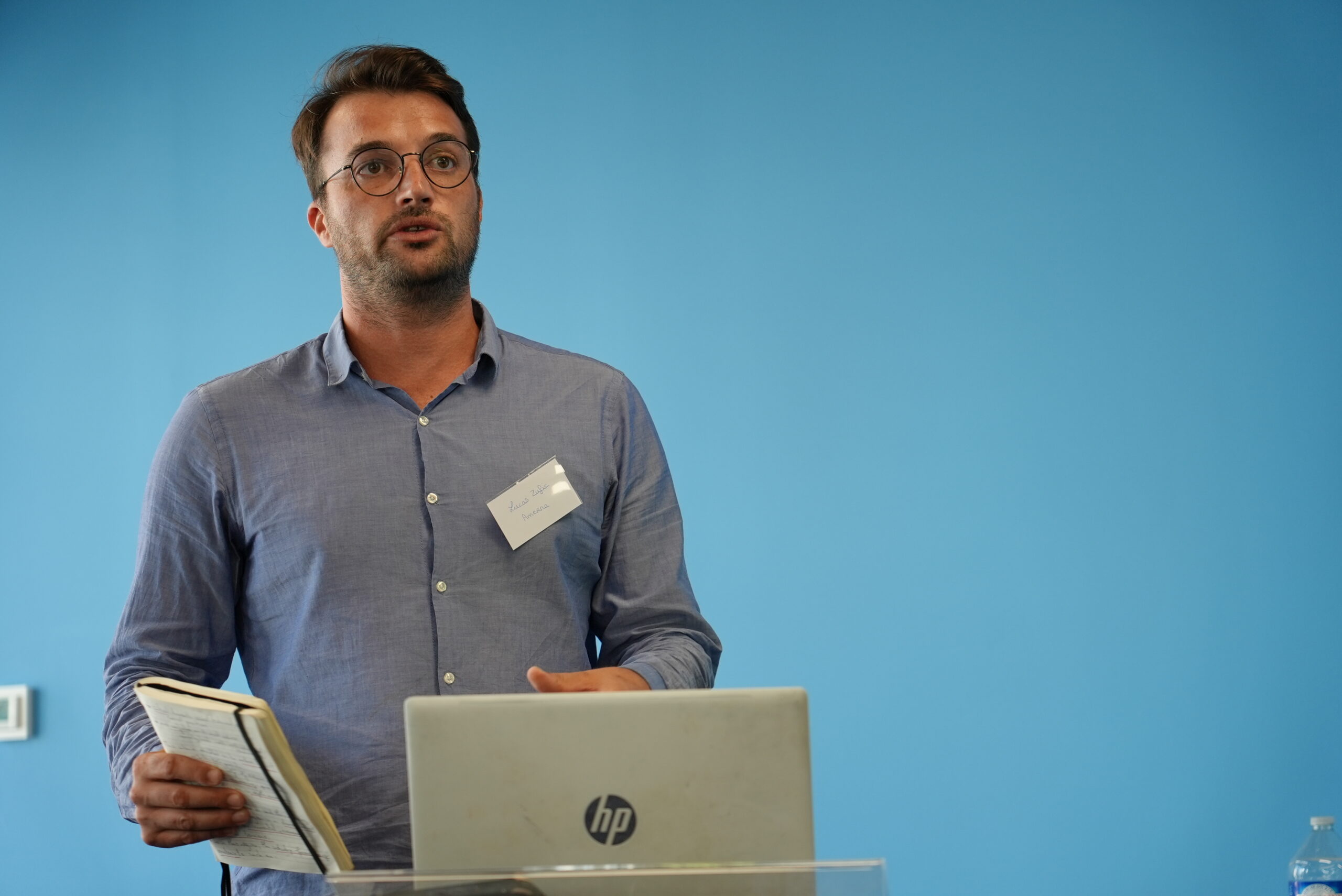
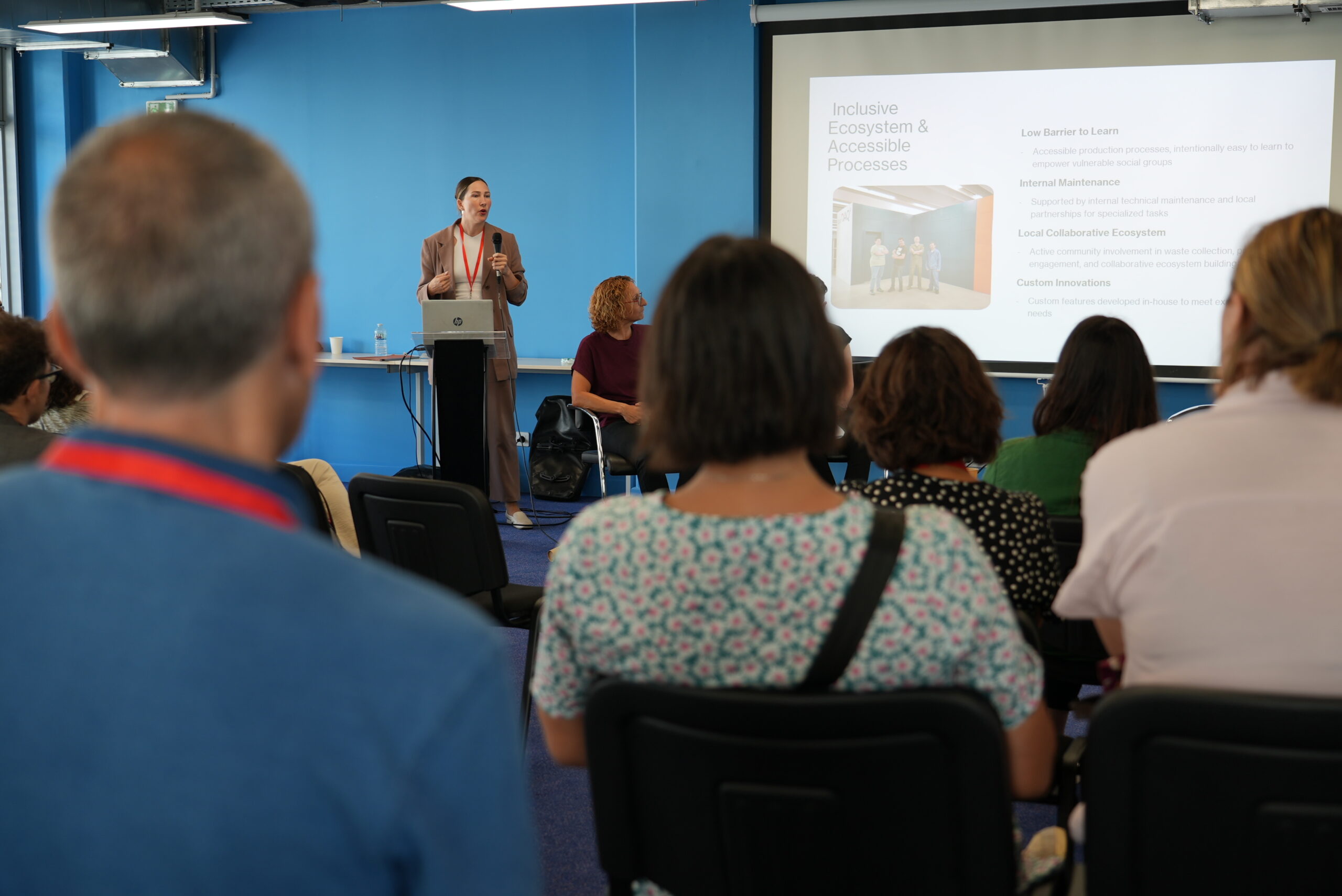
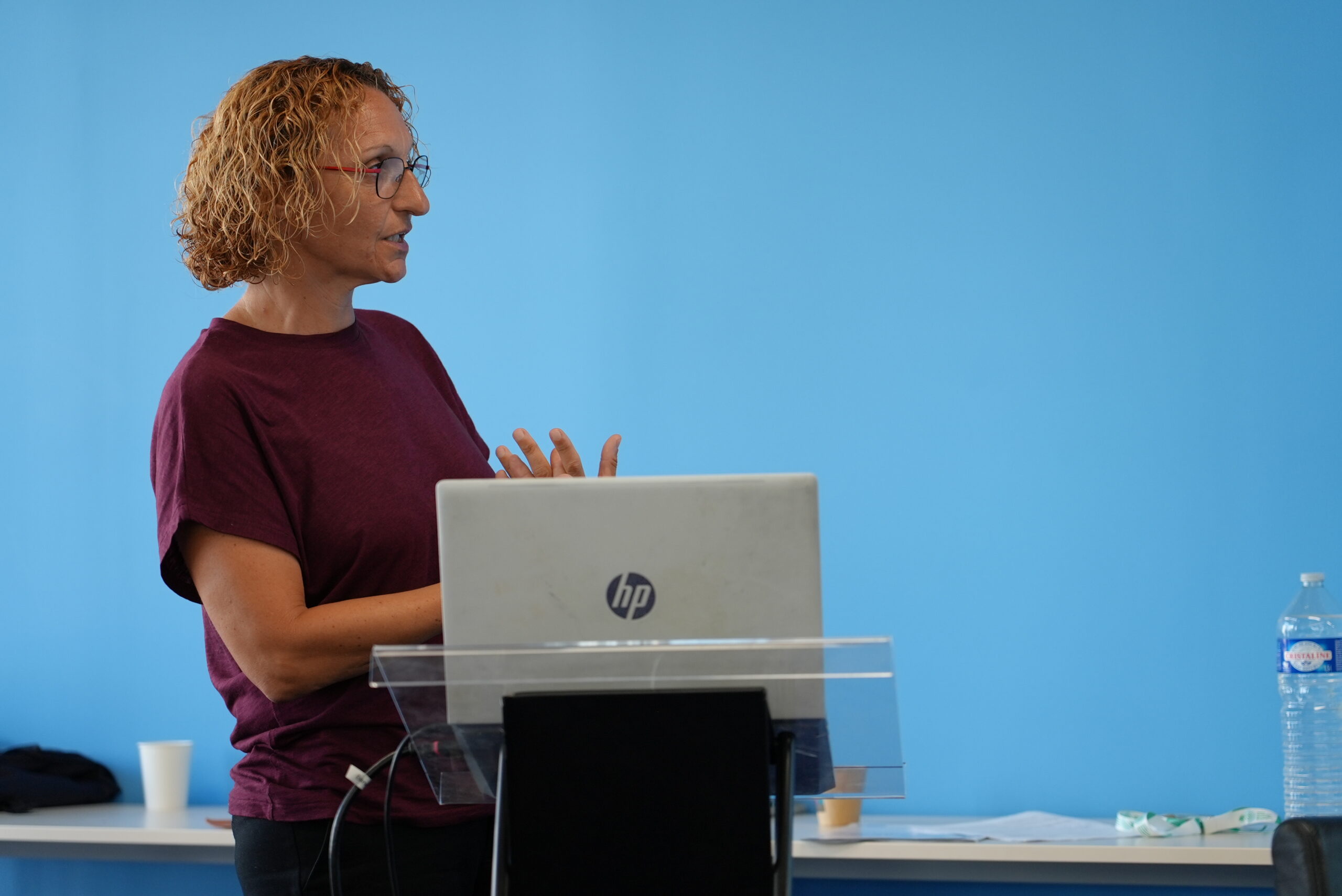
The afternoon turned to Mediterranean initiatives. Lucas Zufic (AMERMA) and Simona Kelher (Knof) presented a technical and economic study on low-tech industrial sectors in the western Mediterranean, covering nine countries and six industrial sectors, from which 115 initiatives were identified and six case studies selected. Morgane Babey presented the new business models and cooperation framework developed by Co-Effect, and Eudokia Balamou the innovative community cooperatives of the REVIVE project.
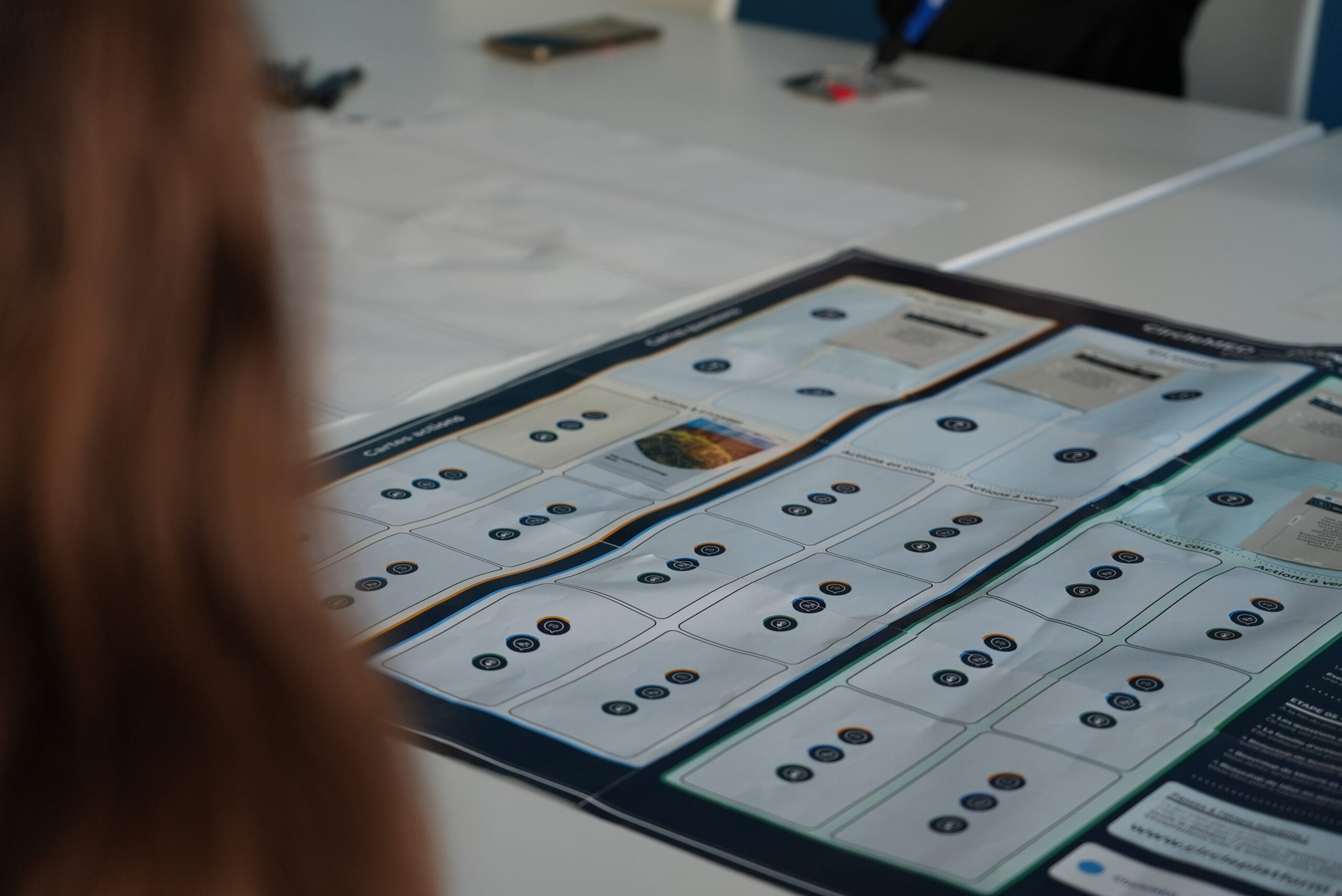
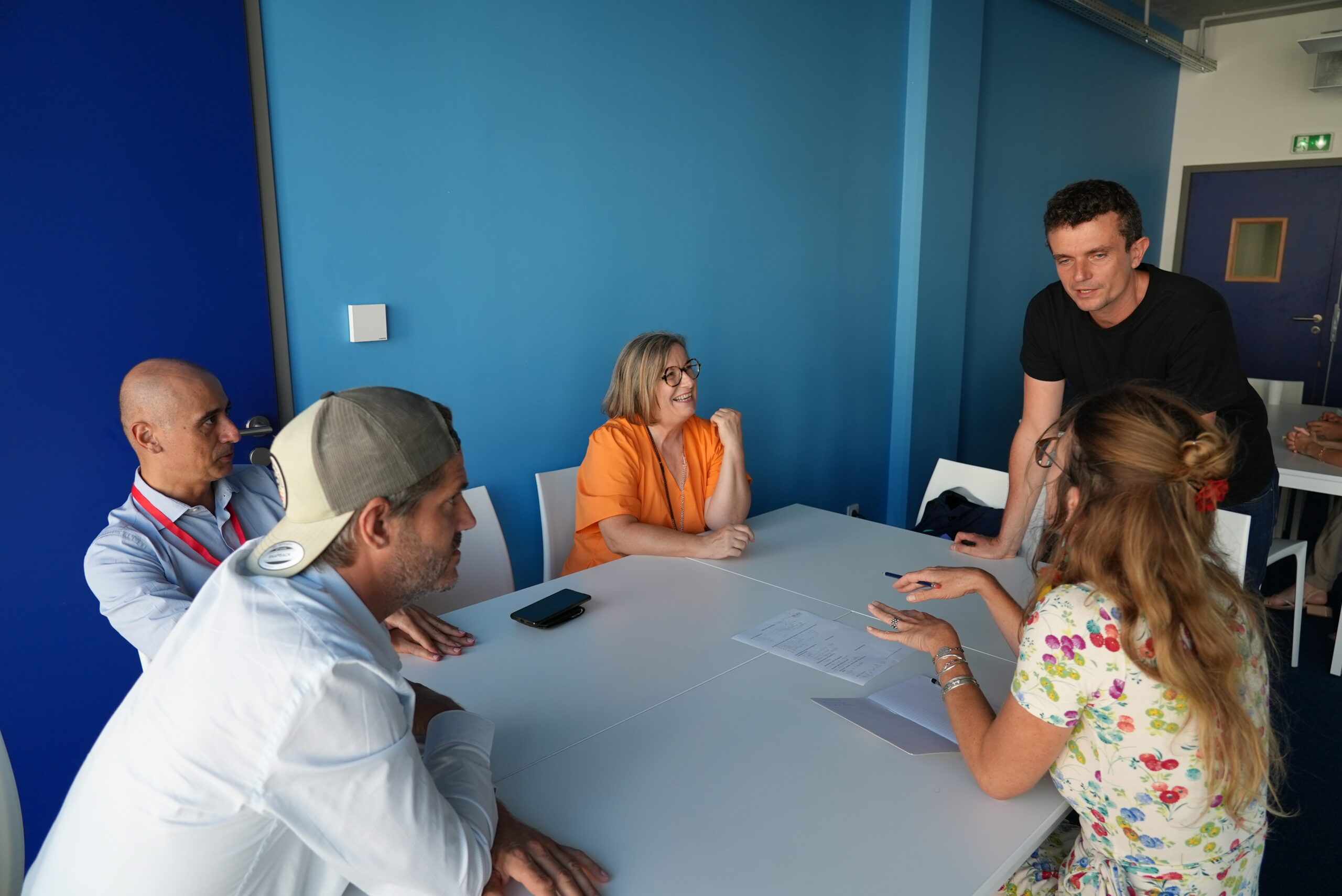
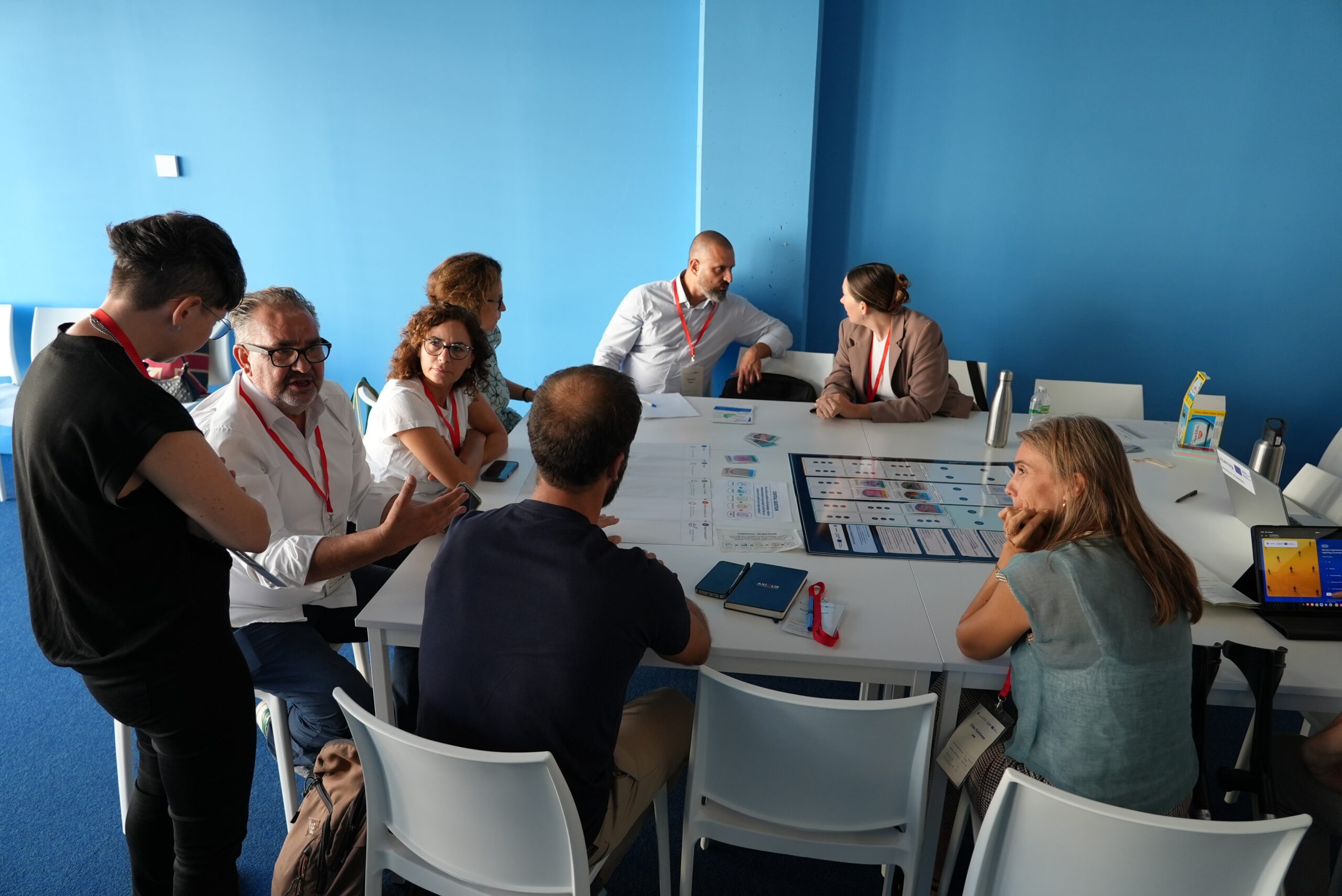
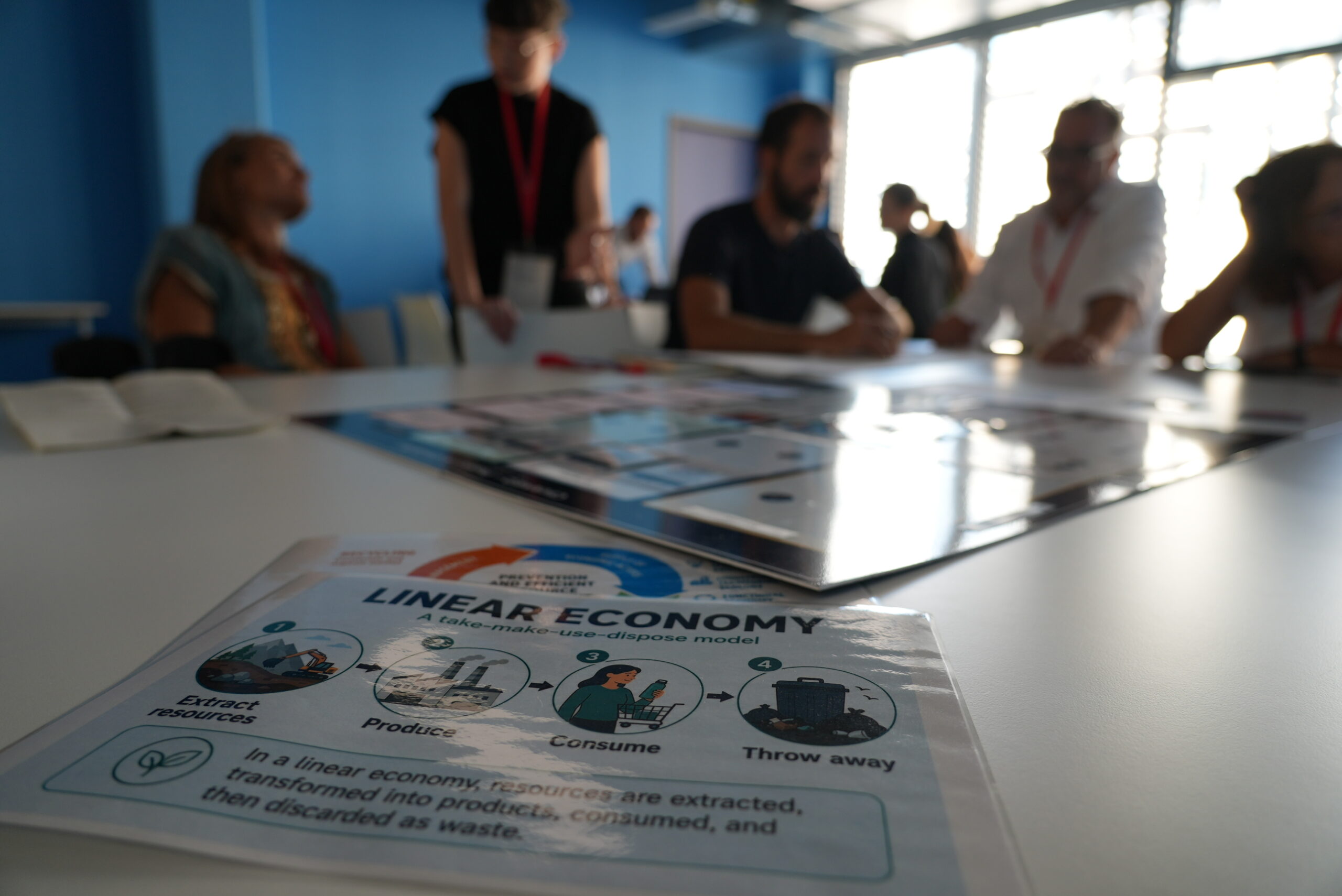
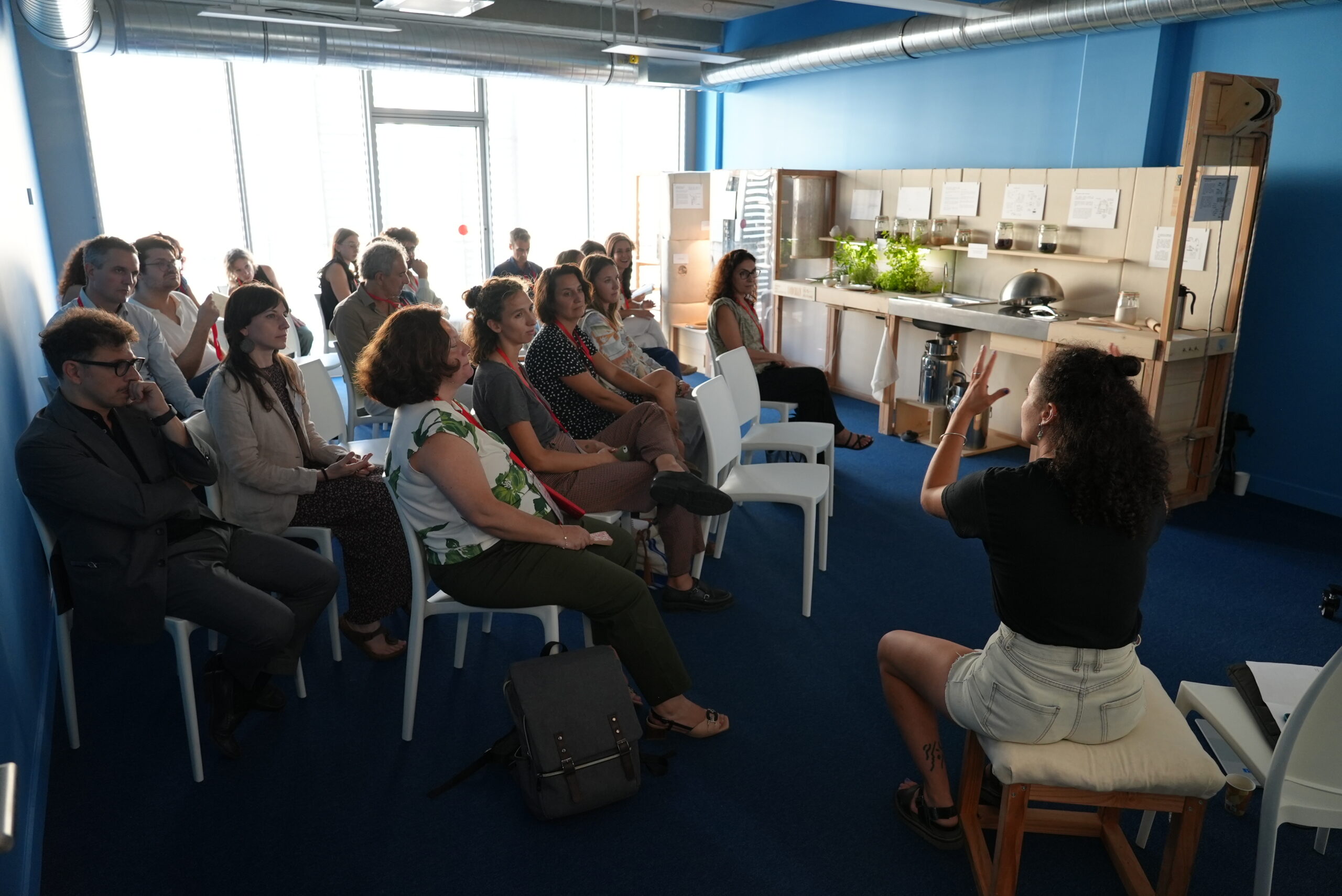
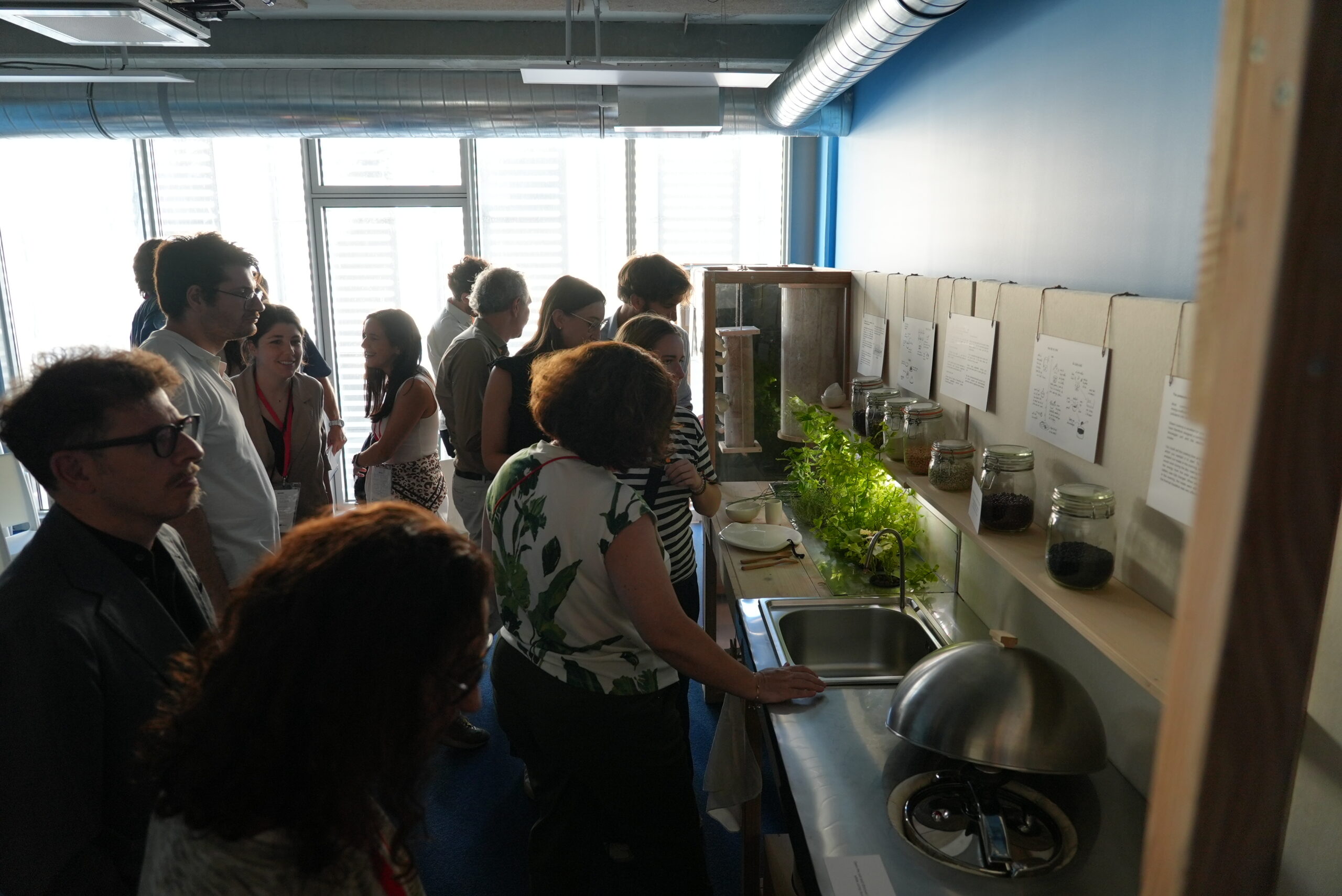
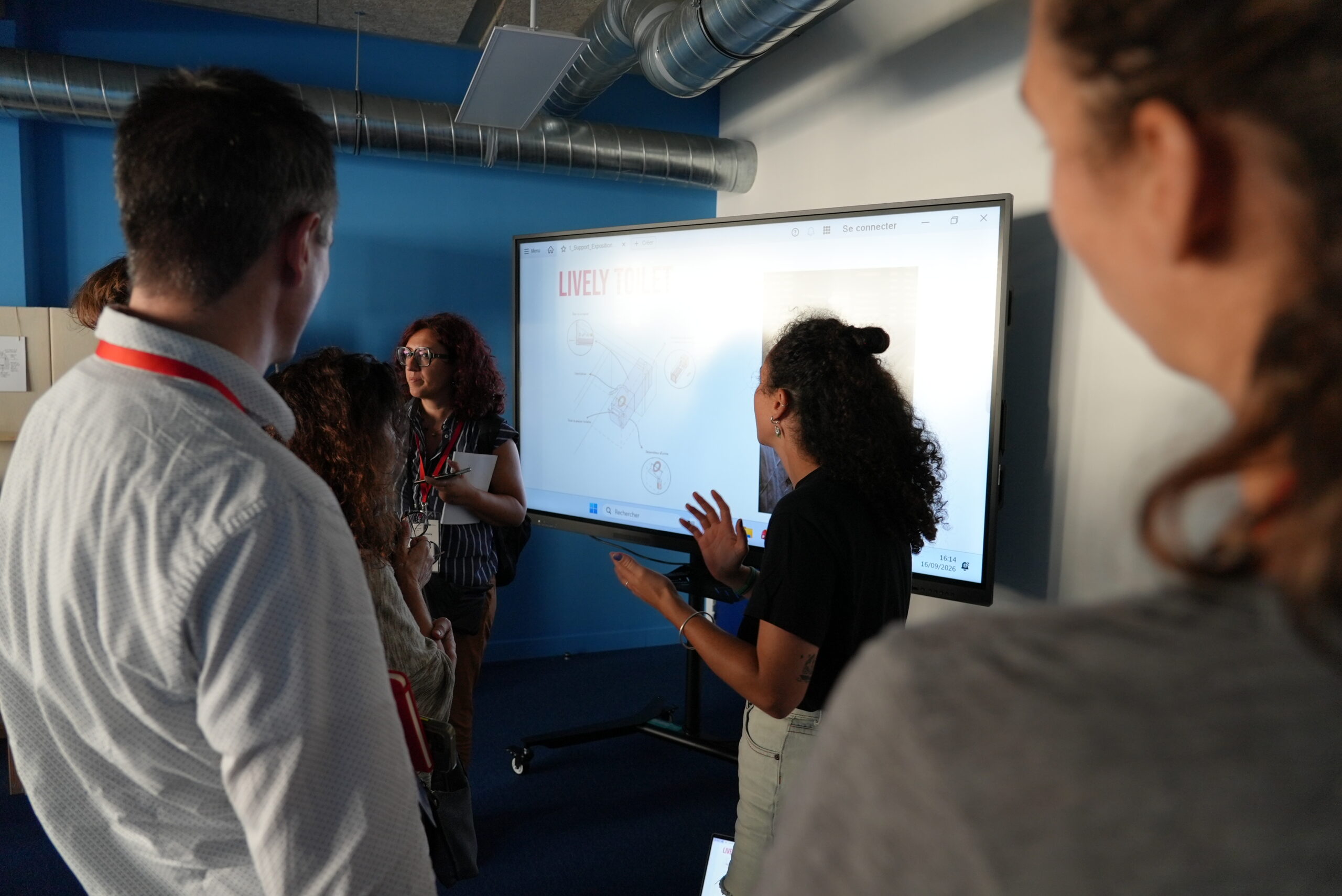
Participants then worked in three parallel workshops,: the DELET methodology applied to the variability of energy and resource availability; the Low-Tech Flat of the Future, an immersive exhibition of a sufficiency-based lifestyle; and the Circle Platform, a circular economy diagnostic tool for businesses. Each workshop invited participants to consider how the approaches presented could apply to their own projects and territories.
Sufficiency as a systemic leverage point
The second day was organised as a working session on how Transformative Innovation Policy Labs (TIPLabs) can contribute to a sufficiency-based economy. TIPLabs are structured processes that address place-based challenges relevant at both regional and Mediterranean level: grounded in the realities of their territories, developed with the organisations concerned, and focused on learning and co-creation rather than on ready-made solutions.
The Innovative Sustainable Economy (ISE) Mission partners are currently developing nine TIPLabs, bringing together committed stakeholders from across the Mediterranean region to address a wide range of local sustainability challenges.
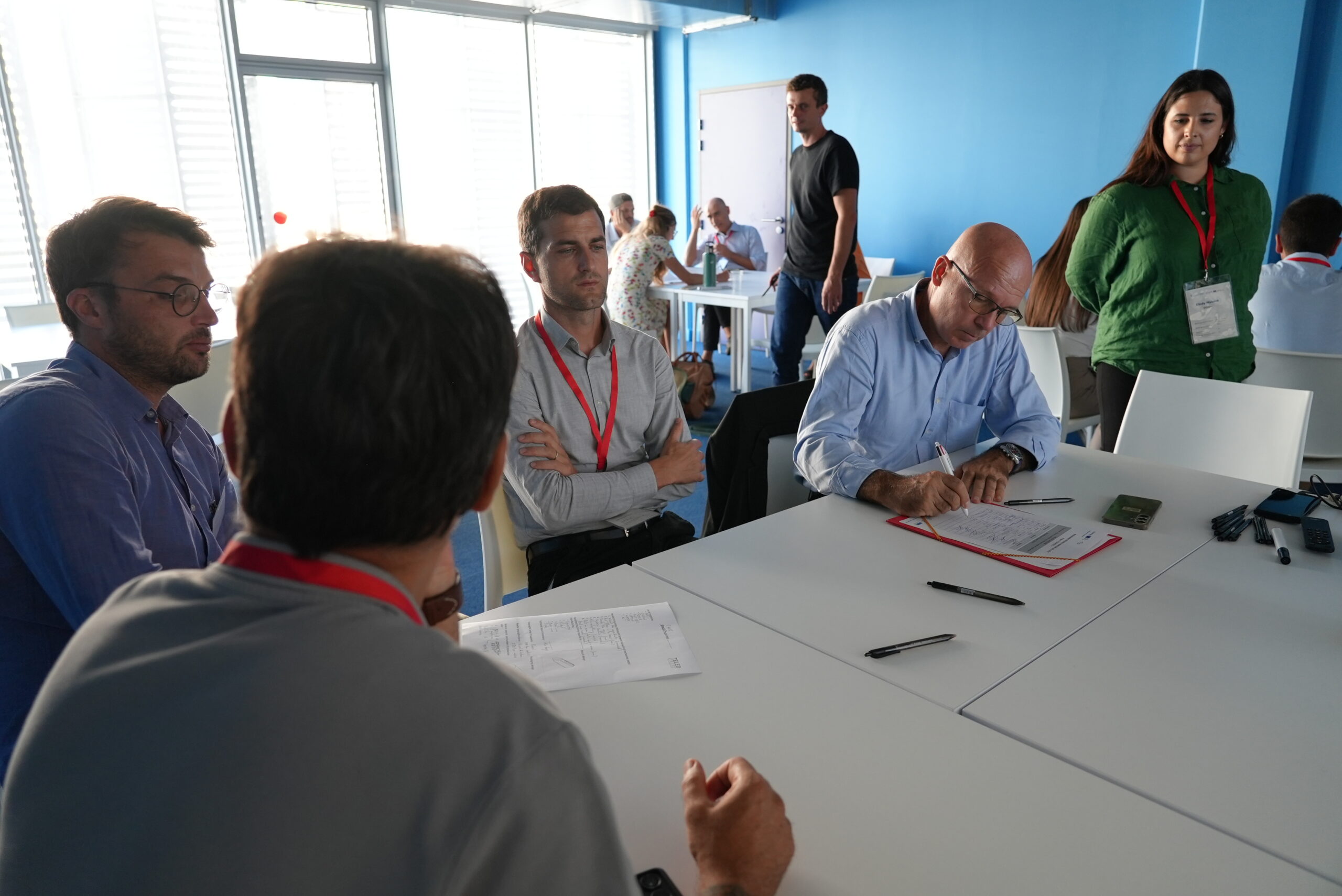
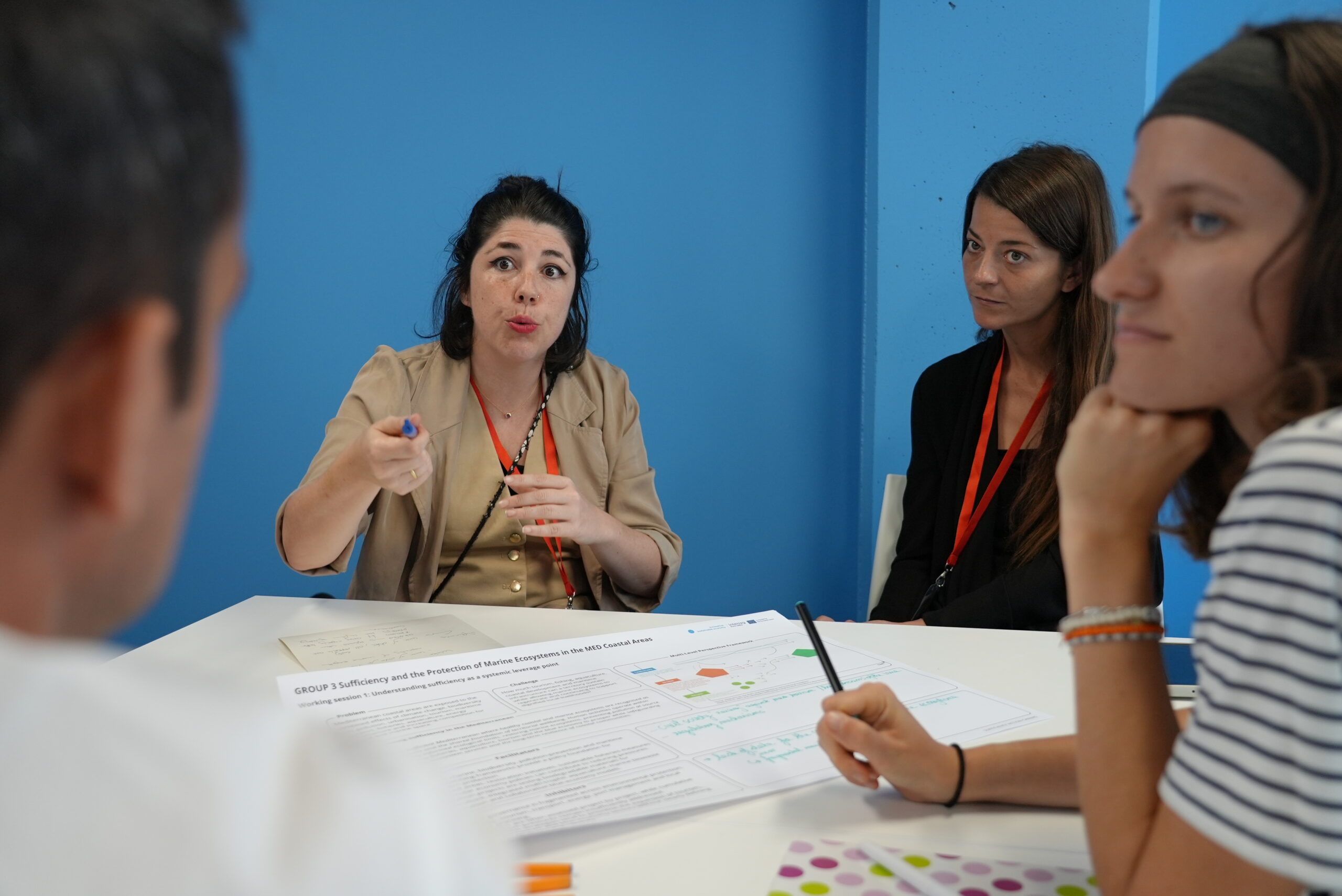
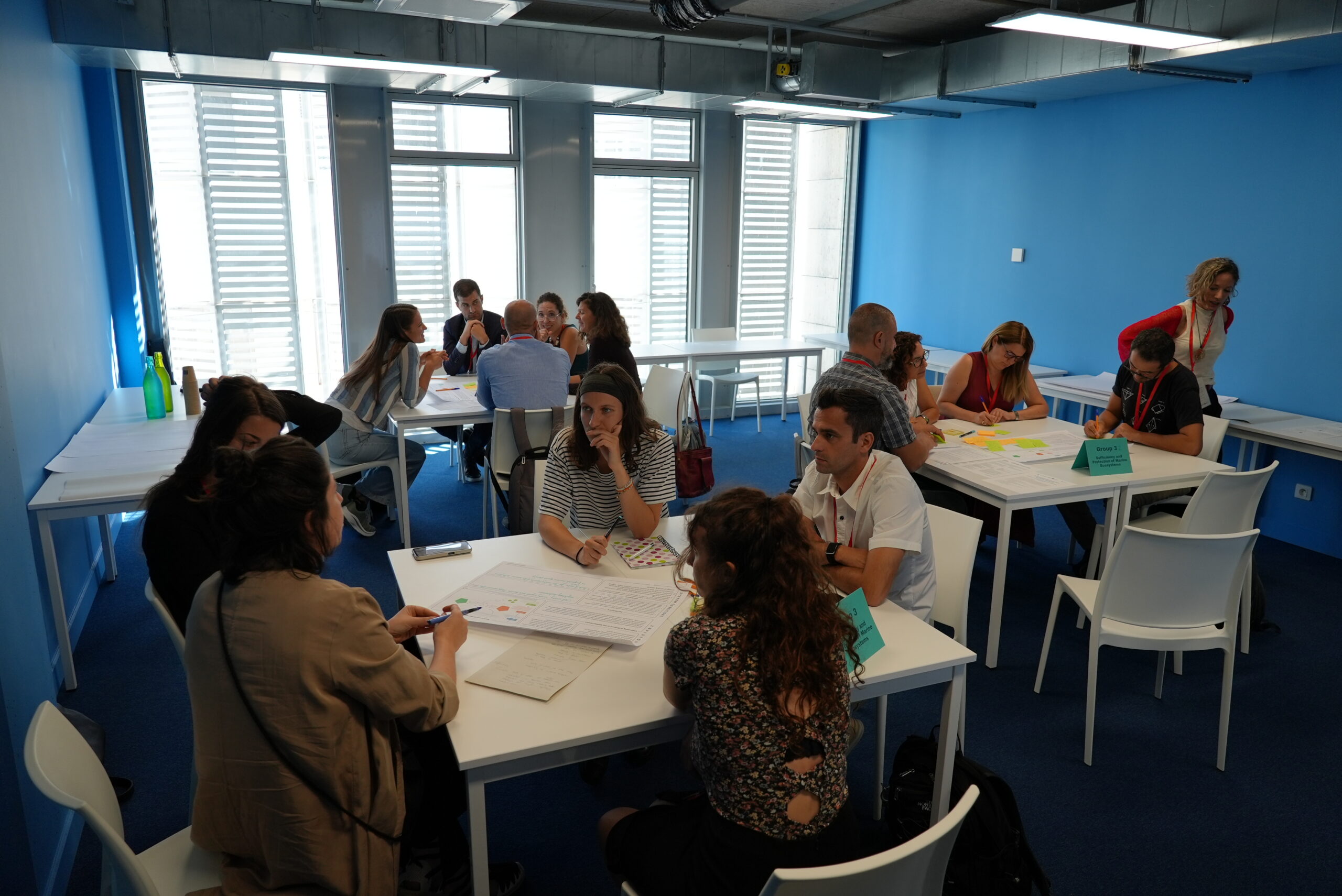
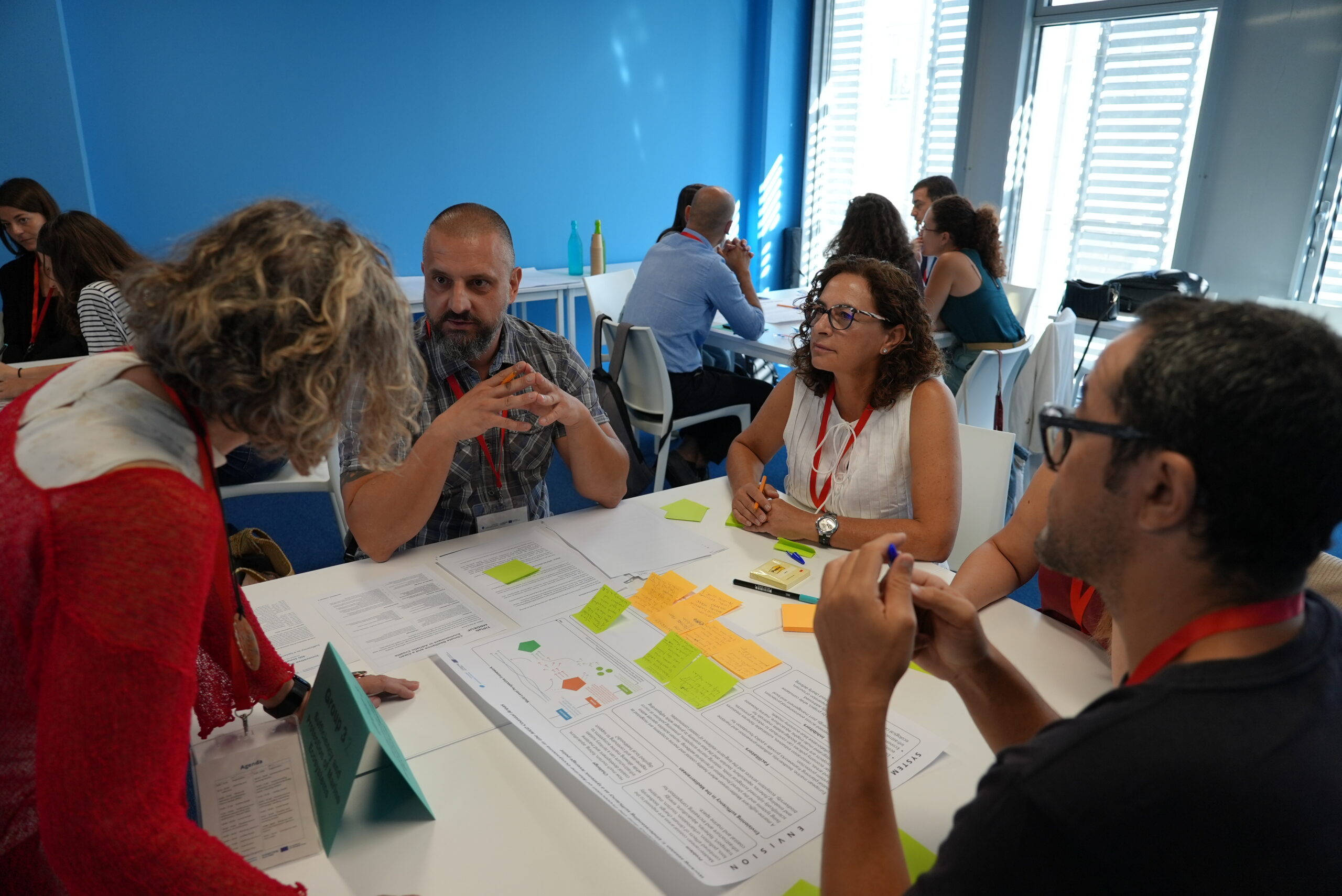
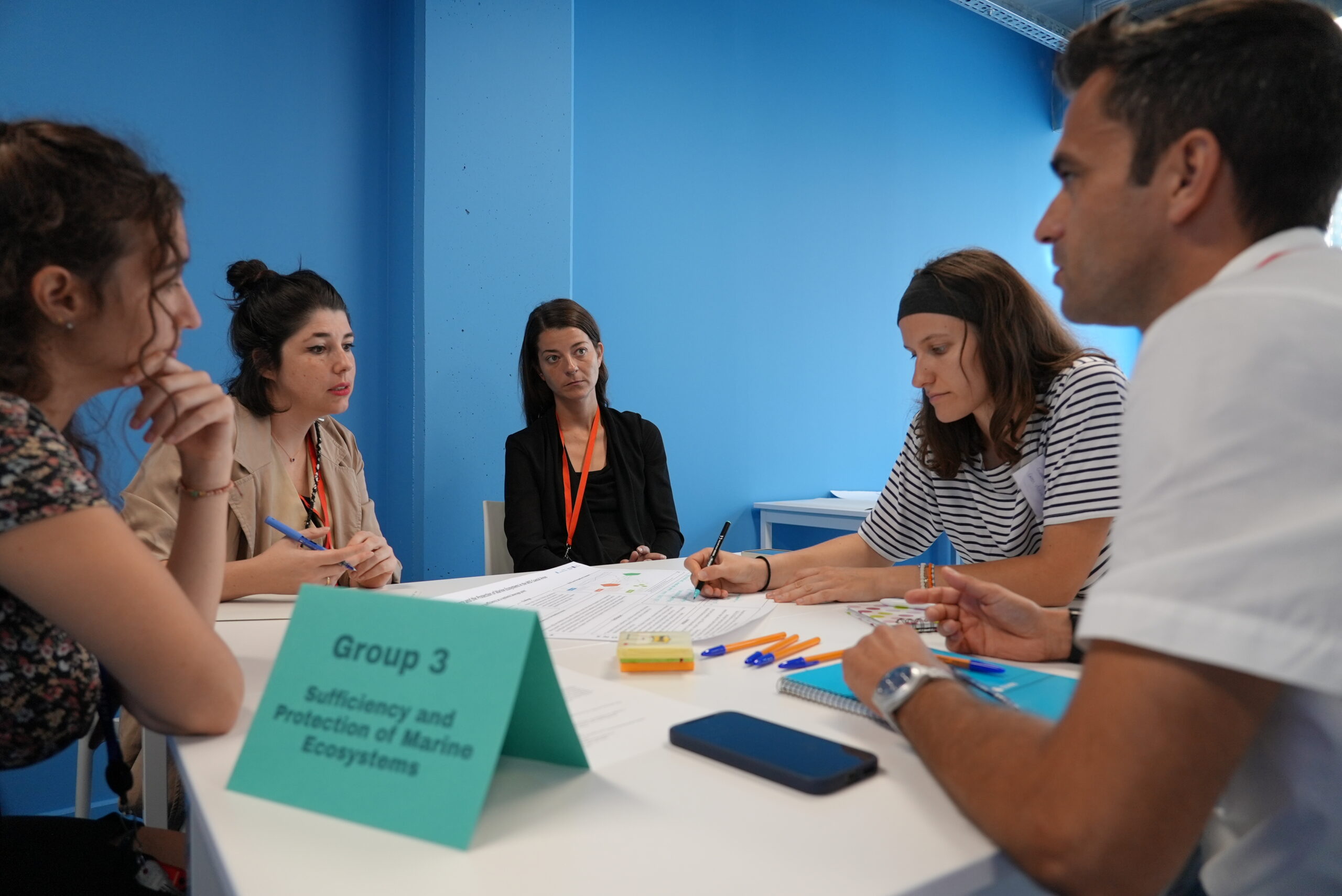
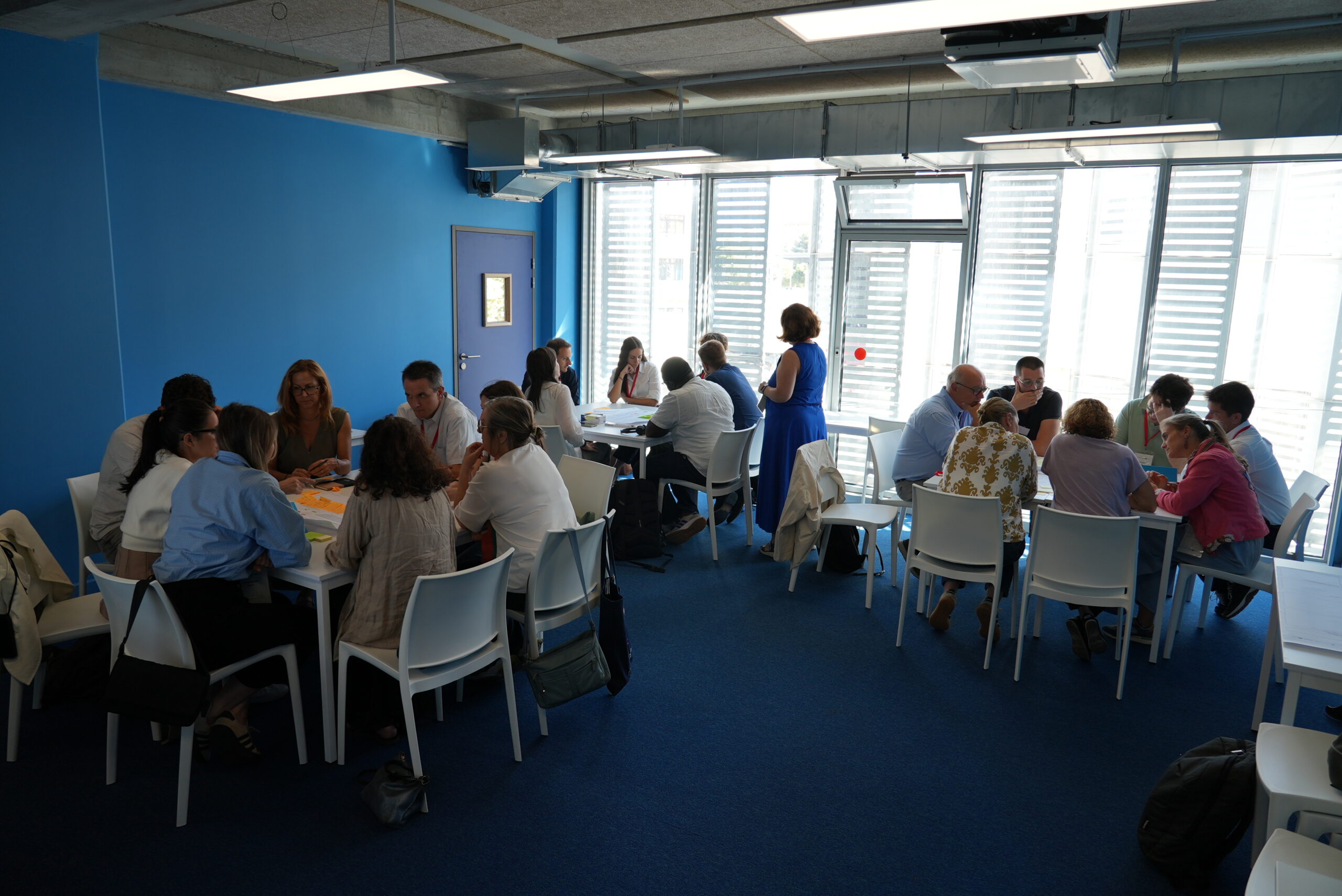
After an introduction to systems thinking and the Multi-Level Perspective, participants were divided into three -working groups, organised around three common priorities currently addressed by the ISE TIPLabs: water scarcity, resource extraction and biocapacity, and the protection of marine ecosystems in coastal areas. Within each group, ISE Mission partners presented the progress made in their TIPLab and engaged participants in a collective reflection on how these labs are already contributing to the advancement of a sufficiency-oriented economy.
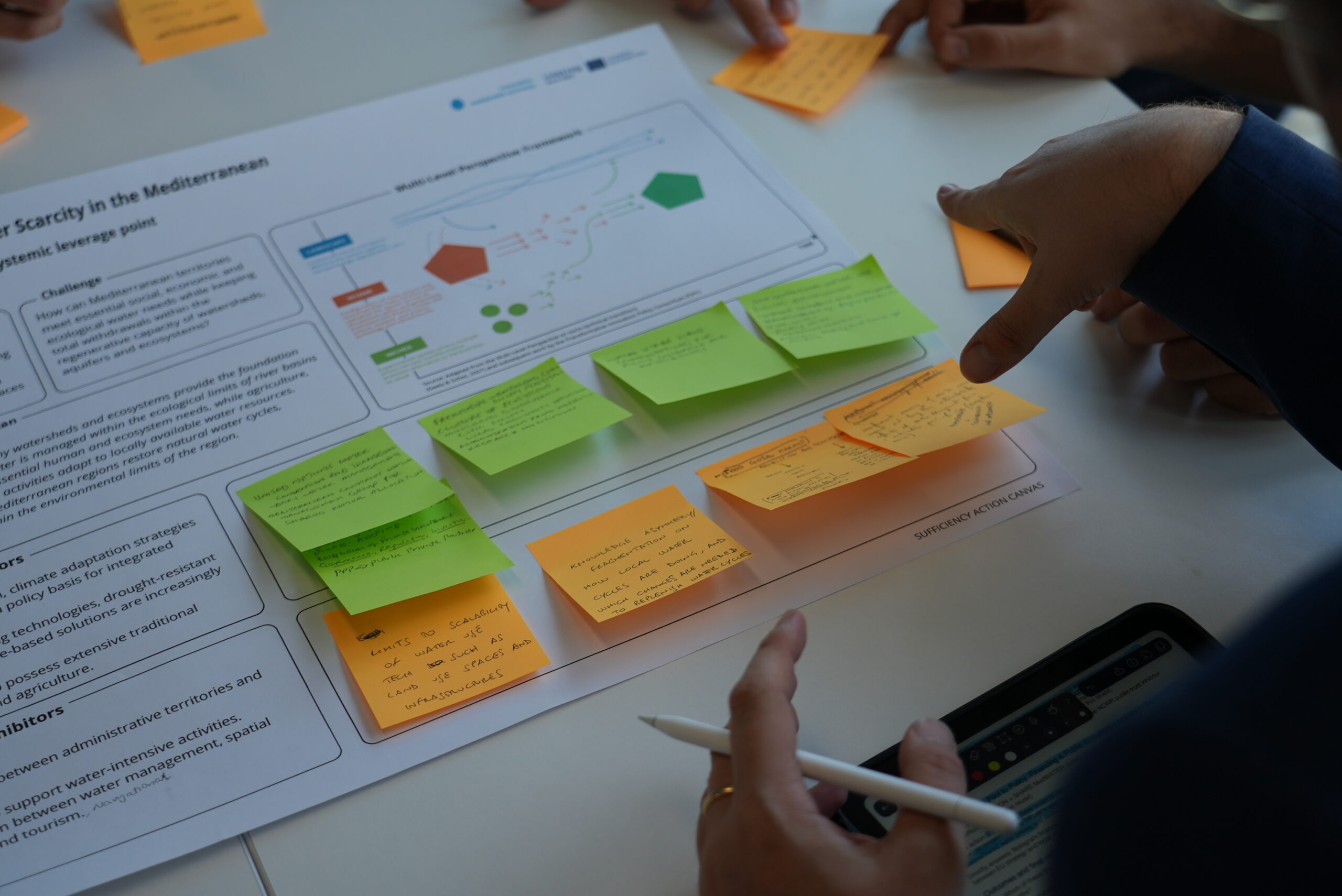
More precisely, each group started from a long-term vision of a Mediterranean built on sufficiency — one group on water, one on resources, one on coastal ecosystems — and worked back from it to identify the conditions that enable transformation and those that obstruct it. Working through dedicated canvases, the groups then looked for the points of contact between sufficiency and the TIPLabs represented in the room. They also examined the transfer and mainstreaming opportunities offered by the thematic projects within the ISE Mission, discussing how the solutions developed by these projects could be transferred, upscaled and mainstreamed to help address the identified challenges. At the end of the day, each group presented its findings and conclusions, sharing its reflections with the other participants and providing insights from the different thematic areas discussed.
Sufficiency was not one of the original starting points of the TIPLabs. However, looking at the work already carried out through the lens of sufficiency enriched the process and provided new perspectives on the challenges being addressed.
The TIP Labs will continue their work over the coming months, and the connections identified in Marseille – among the Labs themselves, between their challenges and sufficiency, and the solutions developed by the thematic projects across the Mediterranean – will for sure strengthen their future developments.
CHECK THE PRESENTATIONS AND MATERIALS